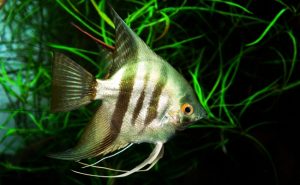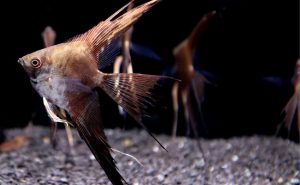
Saltwater angelfish are among the most captivating marine fish, known for their vibrant colors and diverse species. Belonging to the family Pomacanthidae, these fish thrive in tropical coral reefs and are popular choices for aquarists.
Understanding the different species, their sizes, colors, and compatibility with other marine life is essential for creating a happy and healthy aquarium environment.
In this article, we will explore the various species of saltwater fish angelfish, highlighting their distinctive colors and sizes, while also providing essential insights into their compatibility within a community tank.
Whether you’re a seasoned aquarist or a newcomer to the marine world, understanding these magnificent fish can enhance your saltwater aquarium experience.
Saltwater Angelfish Species profile
The angelfish salt water species encompass various types, including the regal angelfish, emperor angelfish, and flame angelfish. Each species boasts unique colors and patterns; for instance, the regal angelfish typically displays bright yellow and blue hues, while the pygmy angelfish showcases vibrant orange and black markings.
These fish can range significantly in size, with some species of angelfish reaching up to 12 inches when fully grown, making it crucial to choose the right species based on your aquarium’s size. Additionally, angelfish are territorial, particularly as adults, and understanding their behavior is vital for maintaining harmony in a community tank.
In the marine aquarium, angelfish serve as both stunning focal points and valuable contributors to the ecosystem. Their omnivorous diet allows them to feed on algae and sponges, helping to maintain the tank’s health.
When selecting an angelfish species, it’s essential to consider their specific care requirements, including water conditions and feeding habits. As members of the Pomacanthidae family, these fish also display unique behaviors that can be fascinating to observe, such as their swimming patterns and interactions with other tank mates.
Saltwater Angelfish Types
Saltwater angelfish are popular among marine aquarium enthusiasts due to their bright colors and unique patterns. They belong to the family Pomacanthidae and are found in tropical and subtropical oceans. Here are some of the most well-known types of marine angelfish:
1. Emperor Angelfish (Pomacanthus imperator)
- Appearance: Juveniles have dark blue bodies with white and blue concentric circles. Adults have yellow and blue stripes with a dark mask over the eyes.
- Size: Up to 15 inches.
- Habitat: Indo-Pacific region, including the Red Sea.
2. Queen Angelfish (Holacanthus ciliaris)
- Appearance: Bright blue and yellow with a distinctive “crown” of electric blue on top of the head.
- Size: Up to 18 inches.
- Habitat: Western Atlantic Ocean, from Florida to Brazil.
3. French Angelfish (Pomacanthus paru)
- Appearance: Black with yellow scales edges and a yellow ring around the eyes.
- Size: Up to 16 inches.
- Habitat: Western Atlantic Ocean, from Florida to Brazil.
4. Blue Angelfish (Holacanthus bermudensis)
- Appearance: Blue body with yellow accents, similar to the Queen Angelfish but with less vibrant colors.
- Size: Up to 18 inches.
- Habitat: Western Atlantic Ocean, particularly around Bermuda and the Caribbean.
5. Regal Angelfish (Pygoplites diacanthus)
- Appearance: Orange and white stripes with blue accents on the fins.
- Size: Up to 10 inches.
- Habitat: Indo-Pacific region, including the Red Sea.
6. Flame Angelfish (Centropyge loriculus)
- Appearance: Bright orange-red with vertical black stripes and blue accents on the dorsal and anal fins.
- Size: Up to 4 inches.
- Habitat: Pacific Ocean, particularly around the Hawaiian Islands and the Marshall Islands.
7. Coral Beauty Angelfish (Centropyge bispinosa)
- Appearance: Deep blue body with orange-yellow accents.
- Size: Up to 4 inches.
- Habitat: Indo-Pacific region.
8. Lemonpeel Angelfish (Centropyge flavissimus)
- Appearance: Bright yellow with blue accents around the eyes and gills.
- Size: Up to 5 inches.
- Habitat: Pacific Ocean, particularly around the Great Barrier Reef and the Hawaiian Islands.
9. Majestic Angelfish (Pomacanthus navarchus)
- Appearance: Blue and yellow with a distinctive pattern of stripes and spots.
- Size: Up to 12 inches.
- Habitat: Indo-Pacific region.
10. Rock Beauty Angelfish (Holacanthus tricolor)
- Appearance: Bright yellow body with a black face and tail.
- Size: Up to 10 inches.
- Habitat: Western Atlantic Ocean, from Florida to Brazil.
11. Passer Angelfish (Holacanthus passer)
- Appearance: Blue body with a yellow tail and white stripes.
- Size: Up to 14 inches.
- Habitat: Eastern Pacific Ocean, from California to Peru.
12. Gray Angelfish (Pomacanthus arcuatus)
- Appearance: Gray body with yellow accents and a yellow tail.
- Size: Up to 24 inches.
- Habitat: Western Atlantic Ocean, from Florida to Brazil.
13. Halfmoon Angelfish (Pomacanthus maculosus)
- Appearance: Blue body with a distinctive yellow half-moon shape on the side.
- Size: Up to 20 inches.
- Habitat: Red Sea and the Indian Ocean.
14. Asfur Angelfish (Pomacanthus asfur)
- Appearance: Dark blue body with a yellow color on the side and yellow tail.
- Size: Up to 16 inches.
- Habitat: Red Sea and the Indian Ocean.
15. Bellus Angelfish (Genicanthus bellus)
- Appearance: Blue and white with a distinctive lyre-shaped tail.
- Size: Up to 7 inches.
- Habitat: Pacific Ocean, particularly around the Philippines and Indonesia.
16. Watanabe Angelfish (Genicanthus watanabei)
- Appearance: Blue and white with a distinctive black stripe running from the eye to the tail.
- Size: Up to 6 inches.
- Habitat: Pacific Ocean, particularly around the Philippines and Indonesia.
17. Lamarck’s Angelfish (Genicanthus lamarck)
- Appearance: Blue and white with a distinctive black stripe running from the eye to the tail.
- Size: Up to 6 inches.
- Habitat: Indo-Pacific region.
18. Multibarred Angelfish (Paracentropyge multifasciata)
- Appearance: White body with vertical black stripes.
- Size: Up to 4 inches.
- Habitat: Pacific Ocean, particularly around the Philippines and Indonesia.
19. Flagfin Angelfish (Apolemichthys trimaculatus)
- Appearance: Yellow body with a black spot on the forehead and a black spot on the side.
- Size: Up to 10 inches.
- Habitat: Indo-Pacific region.
20. Goldflake Angelfish (Apolemichthys xanthopunctatus)
- Appearance: Yellow body with blue accents and gold spots.
- Size: Up to 10 inches.
- Habitat: Pacific Ocean, particularly around the Marshall Islands and the Line Islands.
These angelfish species vary in size, color, and habitat, making them a diverse and fascinating group for marine enthusiasts. When keeping marine angelfish in an aquarium, it’s important to consider their specific needs, including tank size, water quality, and diet, to ensure they thrive in a captive environment.
Saltwater Angelfish vs Freshwater Angelfish
Marine angelfish and freshwater angelfish are two distinct groups of fish that belong to different families and have unique characteristics, care requirements, and habitats. Here’s a comparison table between Saltwater Angelfish and Freshwater Angelfish:
| Feature | Saltwater Angelfish | Freshwater Angelfish |
|---|---|---|
| Scientific Family | Pomacanthidae | Cichlidae |
| Natural Habitat | Coral reefs in tropical oceans | Slow-moving rivers, swamps in South America |
| Size | 6 to 24 inches (varies by species) | 4 to 6 inches |
| Lifespan | 10 to 15 years | 8 to 10 years |
| Appearance | Bright, vibrant colors with patterns | More subtle colors, long flowing fins |
| Tank Size Requirement | 75–200+ gallons (species dependent) | 20–55 gallons |
| Water Type | Saltwater (marine) | Freshwater |
| Water Temperature | 72-82°F (22-28°C) | 75-82°F (24-28°C) |
| Diet | Omnivores (algae, sponges, small invertebrates) | Omnivores (flakes, pellets, live food) |
| Aggression Level | Semi-aggressive | Semi-aggressive (especially when breeding) |
| Care Level | Difficult (requires specific water conditions) | Moderate (easier to maintain) |
| Common Species | Emperor Angelfish, Queen Angelfish, Flame Angelfish | Pterophyllum scalare, Pterophyllum altum |
Setting up the Ideal Saltwater Fish Angelfish Tank
Creating the ideal tank environment for saltwater angelfish requires careful planning and consideration. A minimum tank size of 50 gallons is recommended for most angelfish species, allowing ample space for swimming and establishing territory.
The tank should be well-filtered and maintained at a stable temperature between 75°F and 80°F. Additionally, incorporating live rock and coral formations can provide hiding spots and grazing areas, mimicking their natural habitat in the wild.
Water quality is crucial for the health of angel fish salt water. Regular testing for parameters such as pH, ammonia, nitrites, and nitrates is essential to ensure a stable environment. The use of a protein skimmer can help maintain water quality by removing organic waste.
Moreover, the addition of algae and sponge-based food can cater to the dietary needs of these omnivorous fish. By creating a balanced ecosystem with proper filtration, water conditions, and natural elements, your angelfish will thrive in their new home.
Appropriate Tank Mates
Choosing appropriate tank mates for saltwater fish angelfish is vital to maintaining a peaceful aquarium. While angelfish can be territorial, selecting compatible fish species can help reduce aggression.
Some suitable tank mates include smaller reef fish, such as clownfish and wrasses, which are less likely to challenge the angelfish for space. Additionally, certain shrimp species can coexist with angelfish, provided that the tank is adequately sized and the inhabitants are well-established.
However, caution should be exercised when introducing new angelfish or other marine species into the tank. Species known for aggression, such as larger cichlids or predatory fish, should be avoided, as they may pose a threat to your angelfish.
The key to a successful community tank lies in careful planning and observation, allowing you to create a harmonious environment where all fish can flourish together without stress or conflict.
Breeding Angelfish Saltwater
Breeding saltwater angelfish can be a rewarding yet challenging endeavor. To successfully breed these fish, a proper breeding setup is essential. A separate breeding tank with stable water conditions is recommended, as angelfish can exhibit aggressive behavior towards one another outside of mating.
Breeders typically choose a pair of healthy adult angelfish, as they are more likely to spawn successfully. The breeding process involves the female laying eggs on a flat surface, which the male fertilizes shortly after.
Once the eggs are laid, they require specific care to ensure a successful hatch. Maintaining optimal water quality and temperature is critical during the incubation period.
After hatching, the tiny larvae will need to be fed specialized live or frozen foods, such as rotifers or newly hatched brine shrimp, to support their growth. With patience and dedication, breeding marine angelfish can lead to the joy of raising healthy new generations of these beautiful fish in your aquarium.
Conclusion
Saltwater angelfish are a stunning addition to any marine aquarium, offering a variety of colors, sizes, and species to choose from. Understanding their specific needs regarding tank setup, appropriate mates, and breeding can foster a thriving environment for these captivating fish. Whether you opt for a regal angelfish or a coral beauty, each species brings its own charm and personality to your aquarium. By providing the right care and conditions, you can enjoy the beauty of angelfish saltwater species for years to come, enhancing your underwater world with their vibrant presence.
Recommended posts
- Freshwater Black Angelfish: Habitat, Lifespan & Tank Mates
- Angelfish Different Types: Stunning Varieties for Your Tank
- Angelfish Tank Size Guide – Ideal Space for Your Fish
- Best Angelfish Tips for a Stunning & Healthy Aquarium
- Angelfish pH Levels: Best Water Conditions for Healthy Fish
- Are Angelfish Saltwater Fish Species? Discover Their Ideal Habitat
- Emperor Angelfish: A Complete Guide for Beginners
- Juvenile Angelfish Care: From Aquarium to Adult Fish
- Flame Fish Angelfish – A Captive Bred Fish for Reef Chasers
- 7 Facts You Should Know about Angelfish Characteristics
- Gold Angelfish Care Guide – Tank Setup, Diet & Breeding Tips
- Black White Angelfish: Care, Diet & Tank Setup Guide
- Resplendent Pygmy Angelfish: A Stunning Beauty of the Ocean Depths
- Flagfin Angelfish CARE: Appearance, Behavior & Tank Setup