Thinking about keeping a Gold Angelfish? These stunning freshwater fish bring elegance to any reef aquarium, but proper care is essential. Gold Angelfish Care Guide – Tank Setup, Diet & Breeding Tips will help you create the perfect environment. But what does it take to keep them healthy and thriving?
Gold Angelfish need a spacious tank with stable water conditions, a balanced diet, and careful breeding management. A well-maintained tank with warm, slightly acidic water is ideal. They thrive on high-protein foods, and successful breeding requires a separate spawning setup with gentle care.
But there’s more to learn! Expert aquarists like Heiko Bleher, a renowned fish researcher, emphasize the importance of water quality and diet. So, let’s dive into the details and ensure your Gold Angelfish live a vibrant, healthy life!
Table of Contents
ToggleWhat Is Gold Marble Albino Angelfish?
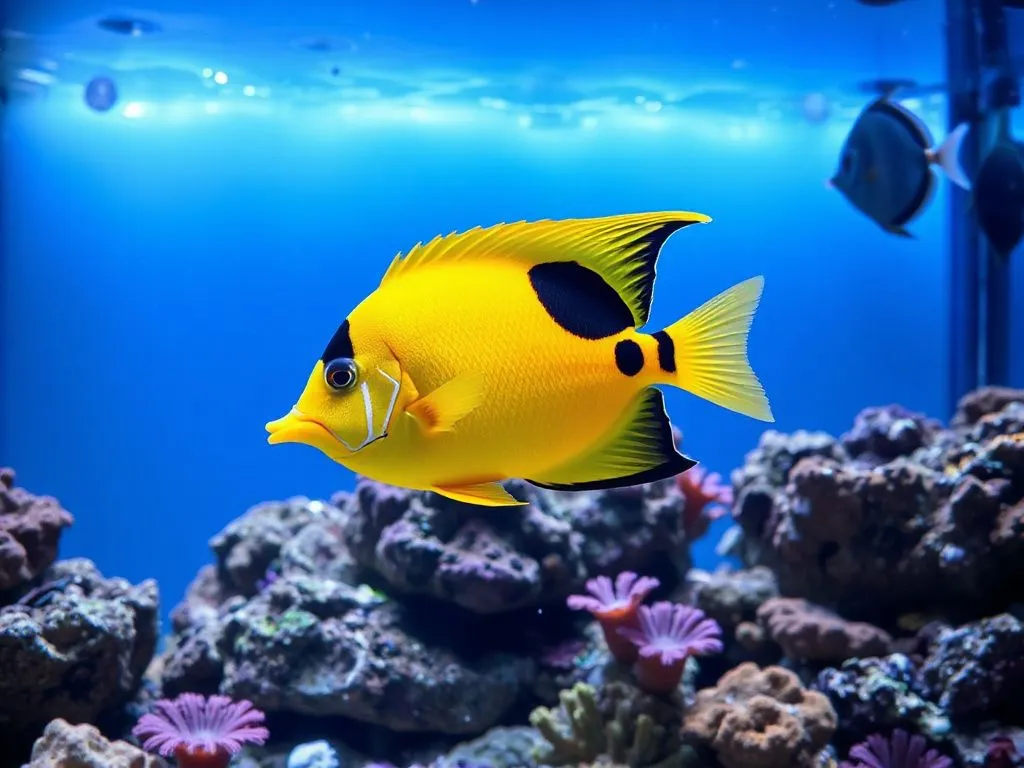
The Gold Marble Albino Angelfish is a unique and visually striking variant of the angelfish species. Characterized by its vibrant golden color and distinct marbled patterns, this fish adds a touch of elegance to any aquarium. This species is a result of selective breeding, and its appearance can vary significantly across individual fish.
Gold Marble Albino Angelfish are peaceful creatures, making them suitable for community tanks with other non-aggressive species. They thrive in a well-planted aquarium that mimics their natural habitat, allowing for plenty of hiding spots and open swimming areas.
As a member of the cichlid family, the Gold Marble Albino Angelfish exhibits fascinating behaviors. They are known to form strong pair bonds, especially during breeding, and can display nurturing behaviors towards their offspring.
These fish require a stable environment, including appropriate water parameters and tank mates that share similar temperaments. Overall, the Gold Marble Albino Angelfish is not just a beautiful addition to your aquarium; it is also a captivating species to observe.
Gold Angelfish Care – Tank Setup, Diet & Breeding Tips
Golden Angel fish (Pterophyllum scalare) are a popular freshwater fish known for their striking golden coloration and elegant, flowing fins. They require proper care to thrive, including an ideal tank setup, a well-balanced diet, and suitable tank raised conditions.
Tank Setup
Minimum Tank Size: A minimum of 20 gallons for a single angelfish, but a larger tank (30-55 gallons) is recommended for multiple fish.
Water Parameters:
- Temperature: 75-82°F (24-28°C)
- pH Level: 6.5-7.5
- Hardness: 3-8 dGH
Filtration: A good-quality filter with a gentle flow is essential to maintain water quality.
Substrate & Decor:
- Fine sand or smooth gravel
- Live or artificial plants for hiding spaces
- Driftwood and live rock for grazing
Lighting: Moderate lighting to mimic their natural habitat.
Tank Mates: Compatible with peaceful community fish like tetras, gouramis, and Corydoras; avoid aggressive or fin-nipping species.
Best Diet & Feeding
Gold Angelfish are omnivores and need a varied diet for optimal health:
Staple Diet:
- High-quality flakes or pellets designed for angelfish or velvet dwarf angelfish
Protein Sources:
- Brine shrimp, Invertebrates, bloodworms, and daphnia (live or frozen)
Vegetable Matter:
- Blanched spinach, zucchini, or spirulina-based foods
Feeding Frequency:
- Feed 2-3 times a day in small amounts to avoid overfeeding and maintain water quality.
Breeding Tips
Pair Selection: Angelfish form monogamous pairs; let them choose their mates naturally.
Breeding Tank:
- A separate 20-gallon tank with a sponge filter and bare bottom is ideal.
- Maintain temperature at 78-82°F (26-28°C).
Spawning Conditions:
- Provide flat surfaces like broad leaves or slate for egg-laying.
- Perform regular water changes to maintain pristine conditions.
Egg Care:
- Parents often guard eggs, but some may eat them. If needed, remove eggs and use an air stone for oxygenation.
- Use methylene blue to prevent fungal growth on eggs.
Fry Care:
- After hatching, feed infusoria or liquid fry food.
- Once they grow larger, introduce baby brine shrimp and finely crushed flakes.
Proper care ensures that angelfish gold remain healthy and vibrant. With the right tank setup, diet, and breeding conditions, these fish can live up to 10 years, providing beauty and elegance to any aquarium. Consistent maintenance and monitoring of their environment are key to their well-being.
Are Golden Angelfish Rare?
While the golden angelfish freshwater fish reef safe, particularly the Gold Marble Albino variant, is a sought-after species, they are not categorized as excessively rare.
The demand for these coral reefs fish can vary based on geographic location and availability from breeders and aquariums. Many fish enthusiasts are drawn to their striking color and unique patterns, which can lead to fluctuations in market prices.
However, reputable breeders often have a consistent supply of golden angel fish, making it possible for aquarists to find them without much difficulty. It is essential to source these fish from responsible breeders to ensure healthy specimens.
The Golden angelfish was initially described in 1974 by John E. Randall (1924–2020) and Richard C. Wass, with its type locality identified as Pago Pago Harbor, Tutuila, Aua Reef in western pacific American Samoa. Certain experts categorize this species within the subgenus Centropyge.
How Big Do Gold Angelfish Get?
Gold Angelfish (centropyge aurantia), including the Gold Marble Albino variety, can grow to a substantial size, typically reaching around 6 inches in length when fully mature. This size can vary depending on factors such as genetics, diet, and overall care.
In a well-maintained aquarium, these fish can thrive and grow to their full potential. It’s important to provide adequate space in the tank, as overcrowding can lead to stunted growth and increased stress levels.
Additionally, the growth rate of Gold Angel fish can be influenced by their environment and feeding habits. Proper nutrition plays a crucial role in their development, so offering a balanced diet is essential.
As they grow, it is vital to monitor their behavior and health closely, as larger angelfish may exhibit different behavioral patterns than juvenile fish. Overall, understanding the expected size and growth patterns of angelfish gold species is fundamental for any aquarist looking to keep this enchanting species.
Are Golden Angelfish Aggressive?
Gold Angelfish freshwater are generally considered to be peaceful fish, especially when kept in appropriate community settings. However, like many cichlid species, they can exhibit territorial behavior, particularly during breeding periods.
It’s essential to house them with compatible tank mates to minimize aggression and ensure a harmonious aquarium environment. When given adequate space and hiding spots, these fish can coexist peacefully with other species, making them ideal for community tanks.
Despite their generally peaceful nature, individual personalities can vary, and some angelfish may display more aggressive tendencies than others. It’s crucial to monitor their interactions, especially when introducing new fish to the aquarium.
By carefully selecting tank mates that share similar temperaments, aquarists can reduce the likelihood of aggression. In summary, while Golden Angel fish are not inherently aggressive, proper management and understanding of their behaviors can lead to a peaceful aquarium atmosphere.
Can’t Find a Gold Angelfish
If you’re having trouble locating a Gold Angelfish, there are several avenues you can explore. Local fish stores may stock this popular species, but availability can vary based on location and demand.
If you cannot find them in-store, consider reaching out to reputable online retailers or specialty breeders who focus on angel fish. These sources often have a wider selection of color morphs, including the Gold Marble Albino Angelfish.
Additionally, joining online aquarist communities and forums can provide valuable insights and recommendations on where to find Gold Angelfish.
Fellow hobbyists may have local contacts or know of upcoming fish shows where these species are available. Patience is key, as sourcing specific fish may take time, but with the right connections and resources, you can successfully locate and add this stunning fish to your aquarium.
How Much Is Gold Marble Angelfish?
The price of Gold Marble Angelfish can vary significantly based on factors such as purchase size, coloration, and the seller’s location. On average, these fish can range from $10 to $30, depending on their unique patterns and overall health.
Specialty breeders may charge higher prices for show-quality specimens or rare color variations. It’s essential to research and compare prices from different sources to ensure you’re getting a fair deal.
When purchasing Gold Angelfish, consider the long-term investment of caring for them properly. While initial costs may seem low, the ongoing expenses of maintaining a healthy aquarium, including equipment, food, and water quality management, should be factored in.
Ultimately, the value of Gold Marble Angelfish goes beyond their price tag; their beauty and captivating behaviors make them a cherished addition to any aquarium.
Conclusion
Caring for Gold Angelfish, including the Gold Marble Albino variant, requires a solid understanding of their needs and behaviors. By providing a suitable tank setup, a balanced diet, and proper breeding conditions, aquarists can ensure the health and happiness of these stunning fish. While they are generally peaceful, attention must be paid to their compatibility with other species to minimize aggression. Whether you’re new to the hobby or an experienced aquarist, the Golden Angel fish presents an exciting opportunity to enhance your aquarium with their vibrant colors and captivating presence.
In conclusion, the Gold Angelfish is more than just a beautiful addition to your aquarium; it is a species that offers joy and fascination. By following this care guide and understanding the nuances of their behavior, you can create a thriving environment for these enchanting fish. Whether you’re admiring their grace as they swim or observing their interactions within a community tank, the Gold Angelfish is sure to bring life to your aquatic space.
Recommended posts
- 7 Facts You Should Know about Angelfish Characteristics
- Platinum Angelfish Care: Tank Setup, Diet & Breeding Tips
- Marine Angelfish Species: Colors, Sizes & Compatibility