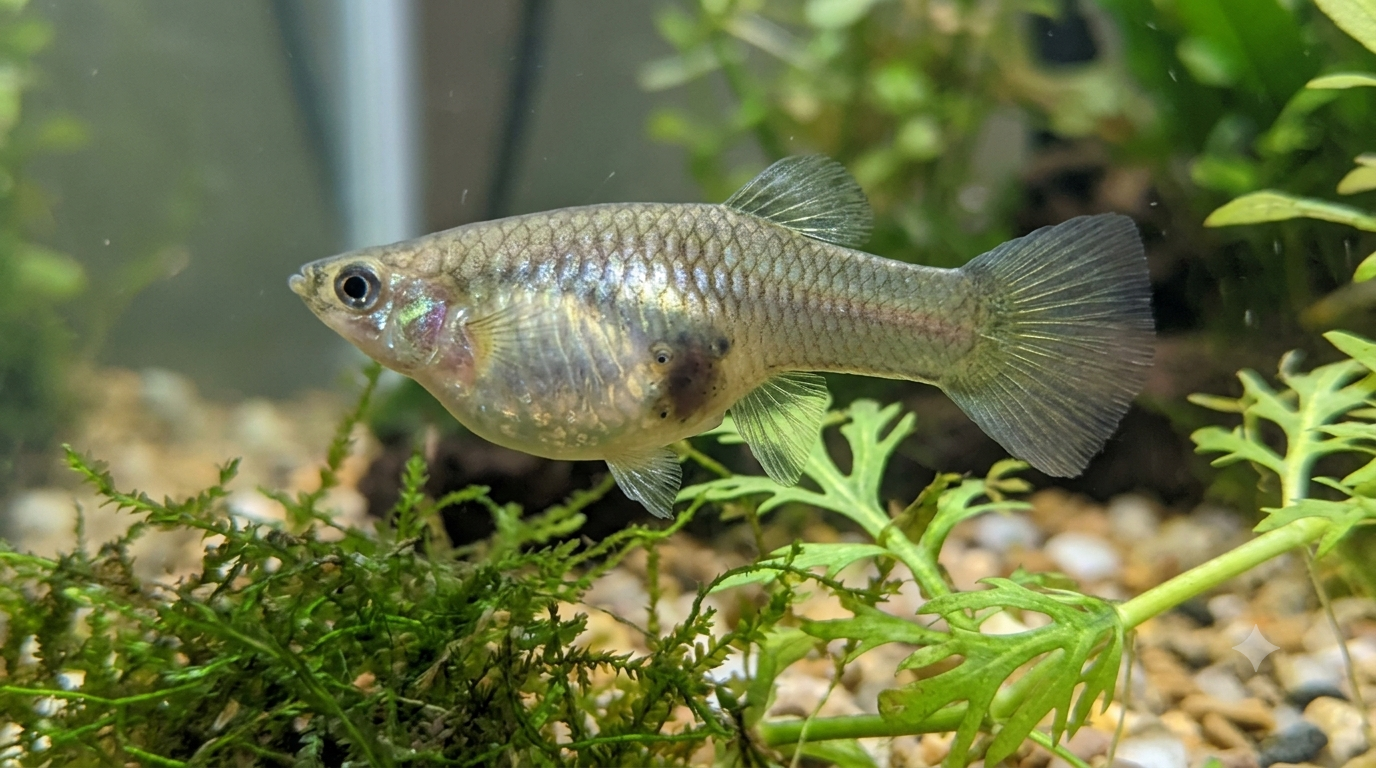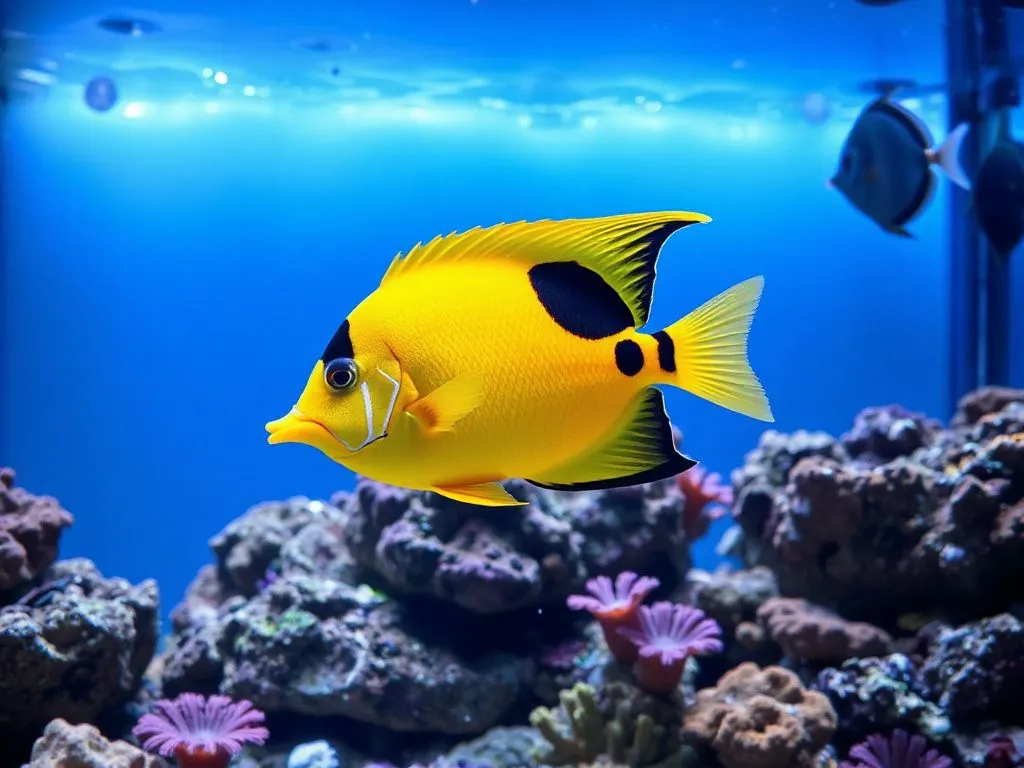
Angelfish are graceful freshwater cichlids known for their tall bodies, long trailing fins, and calm, curious behavior. Proper care for angelfish means providing a tall, stable, warm aquarium, clean water, a varied diet, and carefully chosen companions.
If you want to learn how to take care of angelfish in aquarium conditions, start with the essentials: a mature tank, gentle filtration, stable warm water, and enough room for their impressive fins. This angelfish care guide explains everything a beginner needs to keep these beautiful tropical fish healthy.
Freshwater angelfish, especially Pterophyllum scalare, are among the most recognizable freshwater fish in the hobby. They are not difficult to keep, but they do have specific requirements that make the difference between a stressed fish and a thriving aquarium resident.
What Do You Need to Know About Angelfish?
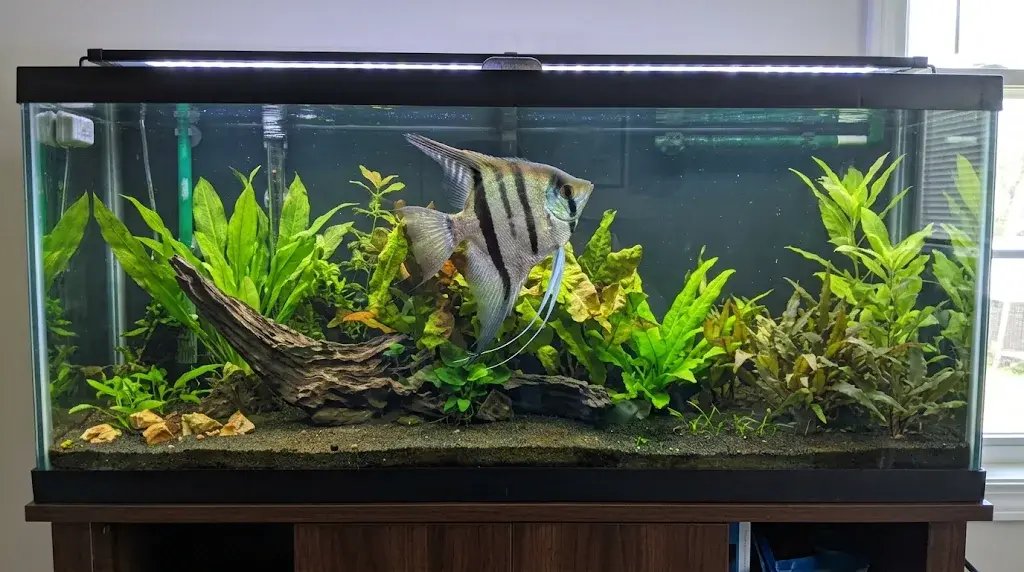
Angelfish are South American cichlids native to the slow-moving rivers and flooded areas of the Amazon River basin. Their thin, disc-shaped bodies and long dorsal and anal fins help them move easily through aquatic plants and submerged branches.
Appearance and natural habitat
In the wild, angelfish live among roots, fallen branches, and dense vegetation in the waters of the Amazon. Their compressed bodies let them slip between plants, while their long fins give them their distinctive “angel” silhouette.aqueon
Wild-type angelfish are usually silver with dark vertical stripes. Through selective breeding, hobbyists now find koi, zebra, marble, black lace, golden, platinum, albino, and veil-tail varieties in many fish stores.
Types of freshwater angelfish
The three recognized species of angelfish are:
- Pterophyllum scalare — the common angelfish sold in most aquarium shops
- Pterophyllum altum — a larger, deeper-bodied species often called the altum angelfish
- Pterophyllum leopoldi — a less common, smaller species with a different body shape
Most beginners should start with captive-bred Pterophyllum scalare. These angelfish species are usually easier to find, adapt more readily to a home aquarium, and come in many color patterns.
Lifespan and adult size
A healthy angelfish can live about 8 to 12 years with excellent care; some well-maintained fish may reach 10 to 15 years.
A common angelfish may reach about 6 inches in body length and 8 inches in height including its fins. Altum angelfish can grow even taller, sometimes reaching 10 to 13 inches high.
What Is the Ideal Tank Size for Angelfish?
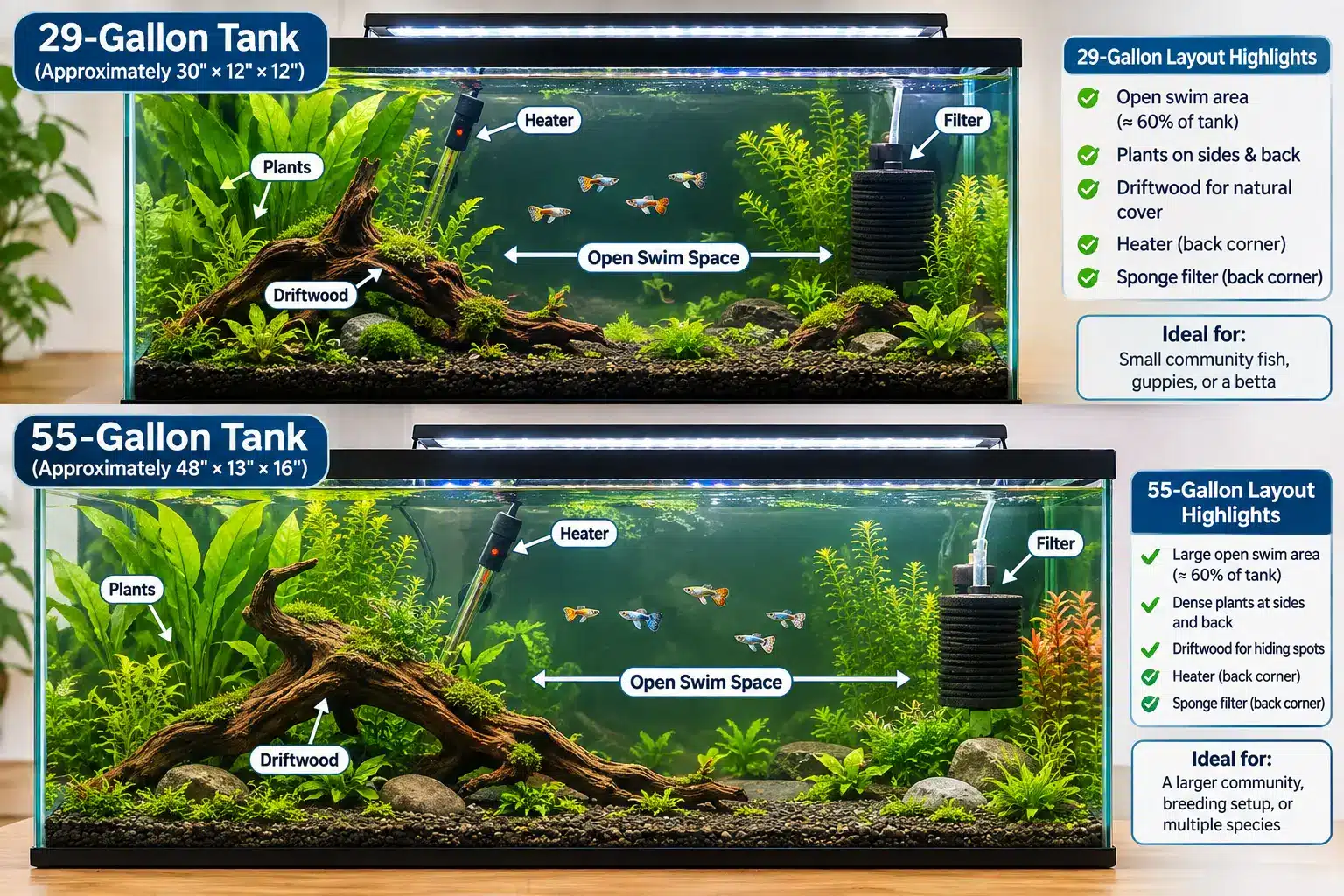
Angelfish need more vertical swimming space than many beginner fish because their fins extend far above and below the body. A 29-gallon tank can work for a small group, while a 55-gallon tank is a better long-term choice for a community aquarium.
Minimum aquarium size for angelfish
For proper angelfish care, choose at least a 29-gallon tank for up to four adult angelfish. If you plan to keep five or six juveniles, start with a 55-gallon tank and be prepared to rehome fish if territorial disputes develop.
A single angelfish can live comfortably as a centerpiece fish in a well-planted community tank. Keeping one fish can reduce chasing and competition while still giving the fish plenty of room to swim.
Best tank dimensions and vertical swimming space
Choose a tank that is both tall and reasonably long. Angelfish do not need a narrow “tower” tank; they benefit from open mid-level swimming space as well as height for their fins.
A practical setup is:
- 29-gallon tank: one angelfish or a small, compatible group
- 55-gallon tank: a small group of angelfish plus peaceful community fish
- 75-gallon tank or larger: ideal for a stable angelfish community or a breeding project
Avoid overcrowding. Crowded angelfish are more likely to chase one another, compete for food, and damage fins.
Aquarium decorations and live plants
Use smooth driftwood, broad-leaved aquatic plants, and open swimming areas. Java fern, Amazon sword plants, water sprite, and other sturdy aquatic plants provide cover without trapping delicate fins.
Avoid sharp ornaments, rough rocks, and narrow gaps where fins can catch. A soft sand substrate or smooth gravel works well, especially if you want to create a natural-looking freshwater angelfish tank setup.aqueon
What Are the Best Water Conditions for Angelfish?
Angelfish water parameters matter most when they remain stable. These tropical fish prefer warm water, gentle current, and consistently clean conditions.
Ideal water temperature
The ideal angel fish temperature requirements are about 78–84°F for everyday keeping. Many keepers maintain around 78°F, while breeders often use 82°F or slightly warmer to encourage spawning.
So, is 78 Fahrenheit ok for angel fish? Yes. 78°F is a good, safe temperature for most freshwater angelfish, provided the heater holds the temperature steady.
Recommended pH and water hardness
Angelfish tolerate a fairly wide pH range, roughly 6.0 to 8.0, but a neutral range around 6.5–7.5 is a sensible target for most home aquariums.
Many captive-bred angelfish adapt well to moderately hard water. Rather than chasing an exact pH number, focus on stable water conditions and avoid sudden changes when adding new water.
| Water parameter | Good target range |
|---|---|
| Temperature | 78–84°F |
| pH | 6.0–8.0, ideally stable |
| Ammonia | 0 ppm |
| Nitrite | 0 ppm |
| Nitrate | Below 40 ppm; lower is better |
| Water flow | Gentle to moderate |
Filtration, water flow, and water changes
Use reliable filtration sized for your tank, but avoid a powerful current that forces angelfish to fight the flow. Sponge filters, gentle hang-on-back filters, or canister filters with a spray bar can work well.
Perform a water change of about 25% weekly in a stocked community tank. Use a water conditioner, match the temperature of the new water to the aquarium, and never replace all the water at once.
If your fish tank is cloudy, first check ammonia, nitrite, nitrate, overfeeding, and filter maintenance. Cloudy water often signals a biological imbalance, excess food, or a tank that is still cycling.
What Do Angelfish Eat?
Angelfish are omnivores with a preference for protein-rich foods. A varied angelfish diet supports strong color, growth, immunity, and breeding condition.
Best commercial angelfish foods
Feed a high-quality tropical flake or pellet food as the daily staple. Look for foods made for cichlids or tropical community fish, and choose a pellet size your fish can swallow comfortably.
Good staple options include:
- Tropical flakes
- Small cichlid pellets
- Krill-based flakes
- Sinking pellets
- Color-enhancing granules
Live and frozen food options
Offer frozen or live foods two or three times each week. Bloodworms, brine shrimp, daphnia, and mysis shrimp are useful additions to feeding angelfish.
Brine shrimp are especially useful for conditioning adults and feeding young fish. Live baby brine shrimp are one of the best first foods for angelfish fry because they are nutritious and easy for tiny fish to hunt.
Feeding frequency and portion sizes
Feed adult angelfish once or twice daily. Give only what they can finish in about two to three minutes, then remove obvious leftovers. aqueon
A simple feeding plan:
- Juveniles: Small meals twice daily
- Adults: One or two measured meals daily
- Breeding pairs: More frequent protein-rich meals
- Fry: Tiny portions several times daily
Do not rely on one food alone. Rotating flake or pellet food with frozen bloodworms and brine shrimp gives angelfish better nutrition and encourages natural foraging behavior.
What Are the Best Angelfish Tank Mates?
Angelfish can live in a peaceful community tank, but they are still cichlids. They may become territorial during breeding, and they may eat very small fish or shrimp.
Compatible tank mates
Good angelfish tank mates are calm, too large to be eaten, and unlikely to nip fins. Suitable choices include:
- Larger tetras, such as black skirt tetras or adult cardinal tetras
- Corydoras catfish
- Peaceful gouramis
- Larger livebearers
- Plecos and other peaceful suckermouth catfish
- Other angelfish, provided the tank is large enough
Tetras can work well, but avoid tiny species that angelfish may view as food. Choose fish with a similar temperature preference and a calm swimming style.
Fish to avoid keeping with angelfish
Avoid fin-nipping species such as tiger barbs, serpae tetras, and other fast, nippy fish. Angelfish have long, flowing fins that make them easy targets.
Also avoid:
- Very small fish that can be eaten
- Aggressive cichlids
- Fast fish that outcompete angelfish for food
- Shrimp or tiny nano fish in tanks with large angelfish
- Overcrowded groups of angelfish
How to prevent aggression and territorial behavior
Angelfish become more territorial when they pair up, spawn, or defend eggs. A breeding pair may chase tank mates away from a spawning site.
To reduce conflict:
- Start with one angelfish or a group of juveniles
- Use a 55-gallon tank or larger for multiple angelfish
- Add tall plants and visual barriers
- Feed evenly and avoid competition at the surface
- Remove a persistent bully if injuries occur
- Move a bonded breeding pair to a separate tank if needed
Media suggestion: Add a compatibility chart showing “Best Tank Mates,” “Use Caution,” and “Avoid.”
How to Set Up and Maintain an Angelfish Aquarium
Setting up and maintaining an angelfish aquarium takes more than filling a tank with water and adding a few beautiful fish. Do you know what tank size, water conditions, and filtration system angelfish need to stay healthy? A well-planned aquarium helps these elegant freshwater fish grow, thrive, and display their natural behavior.
To set up a healthy angelfish aquarium, choose a tank of at least 55 gallons for a small group, maintain a temperature of 78–84°F, and keep the pH around 6.0–7.5. Install a reliable filter, provide tall plants and hiding places, and perform regular water changes. Feed your angelfish a balanced diet and monitor water quality to prevent common health problems.
But creating the right environment involves more than choosing equipment and decorations. From cycling your tank and selecting compatible tank mates to maintaining stable water parameters, every detail matters.
A successful angelfish aquarium begins before you bring fish home. Cycle the tank, establish stable water conditions, and create a layout that protects their long fins.
Choosing the right aquarium equipment
Your basic tank setup should include:
- A 29-gallon tank or larger
- Adjustable aquarium heater
- Gentle filter with biological and mechanical filtration
- Aquarium thermometer
- Water test kit
- Water conditioner
- Soft plants and smooth driftwood
- Fine sand or smooth gravel substrate
A heater is important because angelfish are tropical fish. Keep the water temperature steady rather than allowing large day-to-night swings.
Maintaining water quality
Test ammonia, nitrite, nitrate, pH, and temperature regularly. Ammonia and nitrite should always read 0 ppm in an established aquarium.
Partial water changes remove dissolved waste and replenish minerals. For most tanks, change 20–30% of the water weekly, vacuum debris from the substrate, and rinse filter media gently in removed tank water.
Cleaning and regular aquarium maintenance
A simple weekly routine keeps an angelfish tank healthy:
- Test the water.
- Siphon uneaten food and waste from the substrate.
- Change 20–30% of the water.
- Clean algae from the glass.
- Rinse mechanical filter media in tank water.
- Check that the heater and filter are working.
- Observe each fish for normal swimming, appetite, and fin condition.
Do not clean filter media with tap water, because chlorine can damage beneficial bacteria. Never use soap or household cleaners inside an aquarium.
How to Identify Male and Female Angelfish
Sexing young angelfish is difficult. Many fish do not show clear male or female traits until they mature or begin breeding.
Physical differences between males and females
Males may develop a more rounded head, thicker body, and sometimes a small nuchal hump, but these signs are unreliable. Body shape and fin length vary widely among individual fish and color strains.
The most dependable way to identify a female is to watch her lay eggs. The fish that deposits eggs is female; the fish that fertilizes them is male.
Breeding tubes and spawning behavior
When ready to spawn, females develop a short, blunt breeding tube. Males usually develop a thinner, more pointed tube. These differences become easier to see during spawning.
Angelfish often clean a vertical surface before spawning. They may choose a broad plant leaf, filter pipe, slate, or the aquarium glass.
Why sexing young angelfish can be difficult
Juvenile angelfish look very similar. If you want a breeding pair, buy six or more young fish, raise them together, and allow natural pairs to form.
How Do Angelfish Breed in an Aquarium?
Breeding angelfish can be rewarding, but it requires preparation. Angelfish may spawn without encouragement, especially in warm, stable, well-fed conditions.
Preparing a breeding tank
Use a separate tank of at least 20 gallons for a breeding pair. A 20-gallon high tank gives the fish vertical room for their fins and provides space for a spawning surface.
Include:
- A mature sponge filter or gentle filtration
- A heater set around 80–82°F
- A slate tile, spawning cone, broad leaf, or vertical pipe
- Dim lighting and calm water flow
- A separate tank for fry if you plan to raise them
Spawning behavior and egg care
A female may lay several hundred eggs in neat rows on a vertical surface. The male follows behind and fertilizes them. Both parents often fan the eggs, remove unfertilized eggs, and defend the spawn.
Some first-time parents eat their eggs. This is normal and does not necessarily mean the pair is poor quality. Give inexperienced parents a few attempts before deciding whether to remove the eggs for artificial hatching.
Hatching eggs and raising angelfish fry
At about 80–82°F, eggs often hatch in two to three days. The young fish, called wigglers, remain attached to the spawning surface while absorbing their yolk sacs. After another three to four days, they become free-swimming.
Feed newly free-swimming fry freshly hatched baby brine shrimp several times daily. You can also use finely powdered fry food. Keep the water very clean, but avoid strong currents that can pull fry into the filter.
Media suggestion: Create a timeline graphic: “Day 0: Eggs laid → Day 2–3: Hatch → Day 5–7: Free swimming → Week 6: Large enough for a community tank.”
What Are Common Angelfish Diseases and Health Problems?
Most angelfish health problems begin with stress, poor water quality, overcrowding, or introducing sick fish to the tank.
Ich, fin rot, and bacterial infections
Common problems include:
- Ich: White spots, flashing, rapid breathing, and rubbing against objects
- Fin rot: Frayed, ragged, or shortened fins
- Bacterial infections: Redness, swelling, ulcers, or lethargy
- Internal parasites: Thin body despite eating, stringy feces, or poor growth
- Stress-related illness: Hiding, clamped fins, loss of appetite, and unusual breathing
White spots, damaged fins, protruding eyes, raised scales, and lethargy are warning signs that deserve prompt attention.aqueon
Signs of stress and poor water quality
Watch for:
- Gasping at the surface
- Clamped fins
- Hiding constantly
- Loss of appetite
- Rapid gill movement
- Ragged fins
- Sudden aggression
- Fish tank cloudy water
- Ammonia or nitrite above 0 ppm
If water quality is poor, do a partial water change, stop feeding for a short period, and retest the water. Do not add medication before identifying the problem.
Prevention, quarantine, and treatment
Quarantine new angelfish in a separate tank for several weeks before adding them to your main display. This gives you time to observe eating, breathing, behavior, and fin condition.
For treatment, identify the disease first. Ich, fin rot, and bacterial infections require different approaches. If you are unsure, consult an aquatic veterinarian or an experienced fish store before medicating the entire tank. aqueon
How Long Do Angelfish Live and How Can You Keep Them Healthy?
With proper care, angelfish commonly live 8 to 12 years. Some reach 10 to 15 years in excellent conditions.
Average angelfish lifespan
The biggest factors affecting lifespan are stable water, a varied diet, low stress, appropriate tank mates, and enough swimming space. Angelfish are hardy, but they are not maintenance-free.
Common mistakes that shorten their lifespan
Avoid these common errors:
- Keeping angelfish in a small or tall-but-narrow tank
- Adding them to an uncycled aquarium
- Keeping them with fin-nipping fish
- Overfeeding and allowing waste to build up
- Skipping water tests
- Keeping the temperature unstable
- Buying weak, thin, or visibly sick fish
- Mixing too many angelfish in a small tank
Practical care tips for long-term healthy fish
- Buy active fish with clear eyes, intact fins, and a healthy body shape.
- Acclimate new angelfish slowly to temperature and water chemistry.
- Keep the tank covered, warm, and free from sudden disturbances.
- Offer a varied diet rather than one food only.
- Maintain a consistent weekly maintenance schedule.
- Observe your fish every day, not only during feeding.
- Separate injured, bullied, or breeding fish when necessary.
FAQs
How do you start and maintain a sand substrate aquarium for angel fish?
Add a 1–2 inch layer of aquarium-safe sand, rinse it thoroughly before installation, and use a gentle siphon during water changes. Keep the siphon slightly above the sand so you remove waste without disturbing the entire bed. Sand works well with angelfish because it is smooth and unlikely to damage their long fins.
How do you care for angelfish eggs?
Keep the water warm, clean, and well oxygenated. Parents usually fan and guard the eggs, but they may eat them during early spawns. If you want to raise the fry, move the spawning surface or use a separate tank with gentle sponge filtration.
How do you set up a tank for angel fish to breed?
Use a 20-gallon high tank or larger, maintain about 80–82°F, provide a vertical spawning surface, and use gentle filtration. Keep the pair alone or remove other fish once spawning begins, because breeding angelfish can become protective and territorial.
Are angelfish easy to keep?
Angelfish are moderately easy for beginners, provided the aquarium is mature, warm, and stable. They are easier than many delicate fish, but they need more space and better tank-mate planning than small community fish.
What should you feed a crowned angelfish?
“Crowned angelfish” can refer to different fish depending on the seller and region. If you mean a freshwater angelfish, feed tropical flakes or pellets, frozen bloodworms, brine shrimp, and occasional vegetable-based foods. If you mean a marine crowned angelfish, research that exact saltwater angelfish species because its diet and care differ greatly.
How do you take care of an angel fish?
Keep the water at 78–84°F, maintain 0 ppm ammonia and nitrite, feed a varied diet, use gentle filtration, and choose compatible tank mates. Perform regular partial water changes and watch for stress, fin damage, or disease.
What are some important things to have when you own angelfish?
You need a properly cycled tank, heater, gentle filter, test kit, water conditioner, smooth decor, aquatic plants, quality food, and a quarantine plan for new fish. A 29-gallon tank is a practical minimum, while a 55-gallon tank gives more room for a community setup.
How many angelfish should you keep in a tank?
Keep one angelfish, a bonded pair, or a small group of four to six juveniles. Avoid keeping several adults in a small tank, since territorial behavior and chasing can increase.
What tank size and setup do angelfish need?
Use at least a 29-gallon tank for a small group; a 55-gallon tank is better for a community. Provide tall plants, smooth driftwood, gentle filtration, warm water, and open vertical swimming space.
What should I feed angelfish, and how often?
Feed high-quality tropical flakes or pellets daily, plus frozen or live brine shrimp, bloodworms, or daphnia two to three times weekly. Give adults one or two small meals daily; remove uneaten food.
How can you tell if an angelfish is healthy?
A healthy angelfish swims actively, eats well, has clear eyes, intact fins, and normal breathing. Avoid fish that hide constantly, gasp, clamp their fins, look thin, or show white spots or ragged fins.
How do angelfish behave, and are they aggressive?
Angelfish are usually calm but can become territorial, especially when breeding. They may chase smaller fish, eat tiny tank mates, or become aggressive during spawning, so provide space, plants, and compatible companions.
Conclusion
Learning how to care for angelfish comes down to respecting their size, long fins, and cichlid instincts. Give them a tall, stable aquarium, warm water, gentle filtration, and enough open space to swim comfortably. Feed a varied diet, choose peaceful compatible tank mates, and keep water quality high through regular testing and partial water changes.
Angelfish reward patient keepers with years of graceful movement, engaging behavior, and, for some hobbyists, successful breeding. Start with a mature tank, add healthy fish slowly, and avoid overcrowding. When you provide the right freshwater angelfish care, these elegant tropical fish can become one of the most impressive centerpiece species in a home aquarium.
Recommended posts
- Top 10 Tank Mates for Angelfish: Safe and Peaceful Choices
- How Big Can Angelfish Get? Discover Their Maximum Size & Growth
- How Long Do Angelfish Live: (Care Tips for Longevity)
- Angelfish Water Temperature: The Ideal Range & Aquarium Tips
- Breeding Angelfish: Angelfish Eggs Care and Hatching Tips
- Will Angelfish Eat Shrimp: Risks, Tips & Best Practices
- What Fish Can Live with Angelfish: Best Compatible Species
- Top 5 Common Angelfish Diseases & How to Cure Them Fast
- Saltwater Fish Angelfish Species: Colors, Sizes & Compatibility
- Best Angelfish Plants for Happy Fish – Aquarium Care Tips