Emperor Angelfish: A Complete Guide for Beginners – Are you fascinated by the striking colors of this majestic saltwater fish? The Emperor Angelfish is a favorite among aquarium enthusiasts, but caring for one requires the right knowledge. So, how do you ensure a healthy and vibrant Emperor Angelfish fish in your home tank?
This guide covers everything you need to know, from ideal tank conditions and diet to compatibility with other fish.
Angelfish Emperor fish need spacious tanks, proper water parameters, and a well-balanced diet for long-term health. Experts like Dr. Richard Ross, a marine biologist, emphasize the importance of stable water quality for their well-being.

There’s more to keeping an Angelfish Emperor than just feeding it and watching it swim. Understanding its growth stages, behavior, and common health concerns is key.
So, let’s dive in and explore how you can create the perfect environment for this stunning species!
Is the Emperor Angelfish Reef Safe?
The question of whether the Emperor Angelfish is reef safe is a common concern among aquarium enthusiasts. Generally, the adult emperor angelfish can be somewhat territorial and may graze on certain corals and small invertebrates.
However, juvenile emperor angelfish are known for their more docile nature, making them less likely to pose a threat to a reef setup. In captivity, careful selection of tank mates and monitoring of their behavior can significantly reduce any risks to corals. It is essential to provide plenty of hiding spots and territories to ensure a balanced ecosystem in your aquarium.
While they can coexist with a variety of species, it is crucial to note that the Angelfish Emperor may nip at delicate corals and sponges, particularly as they mature. Thus, it is advisable to avoid keeping them with sensitive coral species.
Providing a well-maintained environment with a mix of hardy corals and ample swimming space can enhance their compatibility in a reef setting. Overall, with proper care and observation, the Emperor Angelfish can thrive in a reef aquarium, adding a dramatic flair to your aquatic display.
How Big Does an Emperor Angelfish Get?
The Emperor Angelfish (pomacanthus imperator) is known for its impressive size, making it one of the larger fish species in the marine aquarium trade. Juvenile Emperor Angelfish typically start small, but they can grow up to 15 inches (38 cm) in length as adults.
This growth highlights the importance of providing a sufficiently spacious aquarium to accommodate their size and swimming needs. For a single adult emperor angelfish, a minimum tank size of 125 gallons is recommended to ensure they have enough room to thrive.
As they mature, the size and coloration of the Angelfish Emperor will change dramatically. Juveniles showcase bright blue and white rings, while adults develop a stunning electric blue body adorned with vibrant yellow stripes.
This transformation is not only visually striking but is also an indicator of their maturation process. Understanding their growth patterns will help aquarists prepare for the space and care these magnificent fish will require throughout their life cycle. Additionally, a larger aquarium will support a more stable environment and promote overall health.
Is Emperor Angelfish Aggressive?
The aggression levels of the Emperor Angelfish fish can vary depending on their age and environment. Adult emperor fish are known to exhibit territorial behavior, especially when they feel their space is being encroached upon by other fish.
They may display aggressive tendencies toward larger fish or those that resemble their shape and color. However, juvenile emperor angelfish tend to be less aggressive and can often coexist peacefully with other species in a community tank.
Why Do Emperor Angelfish Change Color?
The dramatic color transitions observed in Emperor Angel fish are a fascinating aspect of their biology. Juvenile emperor angel fish are adorned with bright white and blue lines, which provide camouflage among the coral reefs.
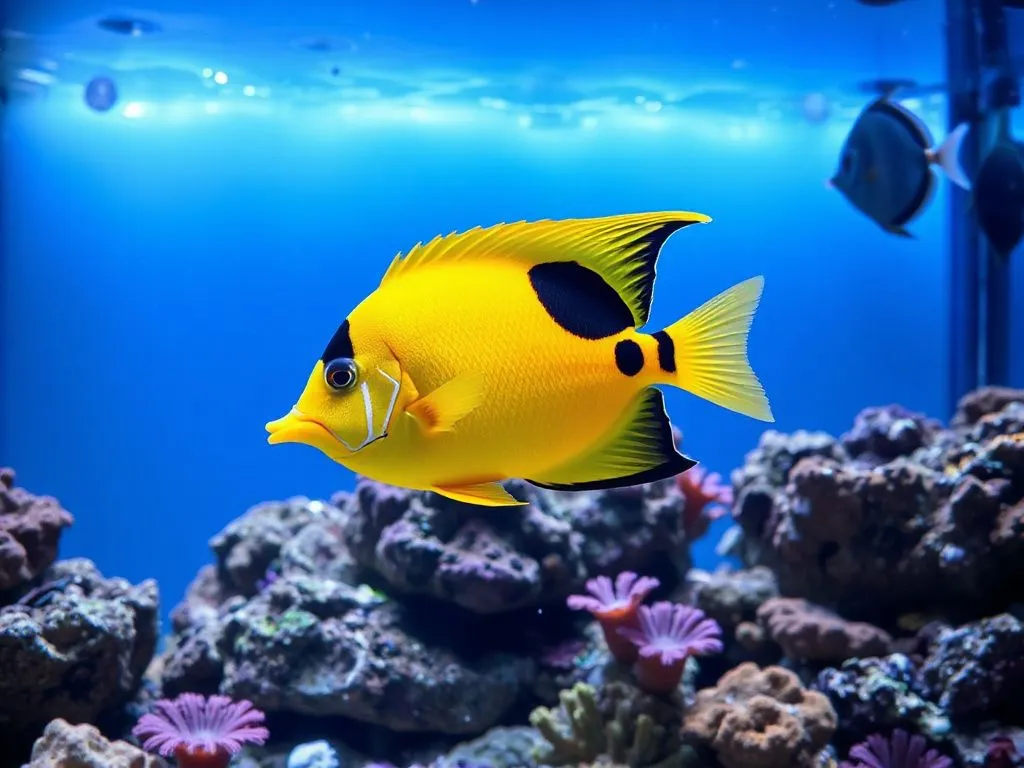
As they mature into adults, their coloration shifts to a striking blue body complemented by vibrant yellow stripes and orange caudal fin. This change serves multiple purposes, including signaling maturity and establishing territory among other fish species.
What Corals Do Emperor Angelfish Eat?
Pacific oceans Emperor Angelfish are known to graze on various corals and invertebrates, making their dietary preferences an important consideration for great barrier reefs.
They often consume sponges, algae, and certain coral polyps, which can pose a challenge for those wishing to maintain a thriving reef ecosystem.
While the emperor angelfish may nibble on hardier corals, it’s important to note that delicate corals are particularly at risk and should be avoided in their presence.
What Is the Smallest Reef Safe Angelfish?
For those interested in smaller reef-safe angelfish species, the African Pygmy Angelfish (Centropyge acanthops) is often recommended.
This species typically reaches a maximum size of around 4 inches (10 cm), making it a great choice for smaller aquariums.
Like the Emperor Angel fish, the African Pygmy Angelfish displays striking coloration, including vibrant hues of blue and orange.
Its size and temperament make it more suitable for community tanks, where it can coexist peacefully with a variety of tank mates.
Commonly Asked Questions about Emperor Angel fish (FAQs)
What is the overview of the Emperor Angelfish?
The imperator Angelfish is a striking marine angelfish, known for its vibrant colors and patterns. It is primarily found in the Indo-Pacific region, including the Red Sea and around Hawaii. This species has a distinctive appearance with bright yellow horizontal stripes and deep blue markings, making it a popular choice for aquarium enthusiasts.
What type of aquarium setup is best for Emperor Angelfish?
They thrive in larger aquariums that mimic their natural habitat. A minimum of 100 gallons is recommended, with plenty of hiding spots and swimming space. The aquarium should also have a good filtration system, as these fish can be sensitive to water quality.
Can Emperor Angelfish coexist with other fish species?
While it can be kept with other species, caution is advised. They can be aggressive, especially towards other angelfish and similar-looking species like the tangs. It’s best to introduce them to a community tank with larger, more robust fish to minimize territorial behavior.
What should I feed my Emperor Angelfish?
Emperor Angel fish require a varied diet that includes both meaty foods and plant matter. High-quality pellets, flakes, and frozen foods should be supplemented with veggie options like spirulina and algae. This diet ensures they receive essential nutrients for healthy growth and coloration.
How does the Emperor Angelfish transform from juvenile to adult?
Juvenile imperator fish are initially bright white with dark blue lines and spotting. As they mature, they begin to develop their characteristic bright yellow and blue coloring. This transformation is gradual and can take several months, during which they require a stable environment to adapt.
What are some quick facts about the Emperor Angelfish?
The Emperor Angels are marine species known for its striking appearance and is part of the animal type ‘marine angelfish.’ They can grow up to 12 inches in length and have a lifespan of around 15 years in captivity. They are found in coral reefs and feed primarily on algae and invertebrates.
Where can I see Emperor Angelfish in an aquarium exhibit?
Many aquariums, including the National Aquarium, have exhibits featuring the Emperor Angelfish. Visitors can explore exhibit residents showcasing these beautiful fish. Be sure to check the aquarium’s schedule for special events like shark behind-the-scenes tours or aquarium sleepovers that may highlight the Emperor Angel fish.
What are the habitats of the Emperor Angelfish?
Emperor angelfish can be found in coral reef environments in the Indian Ocean and the Indo-Pacific region. They prefer areas with plenty of hiding spots and structures, which help them avoid predators and provide foraging opportunities.
Is the Emperor Angelfish suitable for beginners?
While Emperor Angelfish are beautiful, they can be challenging for beginners due to their aggressive nature and specific care requirements. New aquarists should ensure they are prepared to meet the needs of this species, including water quality, tank size, and dietary needs.
Conclusion
In conclusion, the Emperor Angelfish fish is a magnificent species that can add beauty and interest to a saltwater aquarium. Understanding their needs regarding reef safety, growth, aggression levels, dietary preferences, and color changes is essential for any aquarist considering their care. While they can be somewhat challenging due to their size and temperament, with the right environment and attention to their dietary habits, they can thrive in captivity. Moreover, smaller reef-safe angelfish species, like the African Pygmy Angelfish, can be excellent alternatives for those with limited space. Ultimately, whether you choose an Emperor Angelfish or another species, careful planning and monitoring will ensure a thriving marine environment for all inhabitants.
Top posts
- Saltwater Angelfish Species: Colors, Sizes & Compatibility
- Are Angelfish Saltwater Fish? Discover Their Ideal Habitat
- The Complete Guide to Angelfish Tank Setup and Breeding Tips
- 7 Best Reef Safe Angelfish for Your Tank – A Complete Guide
- Juvenile Emperor Angelfish Care: From Aquarium to Adult Fish