Do angelfish bite? many fish keepers wonder about this. Have you ever seen an angelfish nibbling at another fish’s fin or even your hand? Understanding their behavior is key to maintaining a peaceful aquarium.
Angelfish can bite, but they are not aggressive predators. They usually nip due to territorial instincts, breeding behavior, or stress. This article explores common myths, facts, and expert-backed tips to keep them calm and harmonious in your tank.
But what really triggers angelfish to bite, and how to Stop Angelfish Bullying others in your tank? With insights from experienced aquarists, we’ll uncover everything you need to know. Let’s dive in and make your angelfish tank a peaceful paradise!
Do Angelfish Have Teeth?
Yes, angel fish do have teeth, although they may not be the kind you are familiar with. Instead of the sharp, visible teeth that many mammals possess, angelfish have small, cardiform teeth located in their throats.
These teeth are used primarily for grinding food, such as smaller fish and plant material. When angelfish feed, they can nip at food, and their teeth play a crucial role in this process.
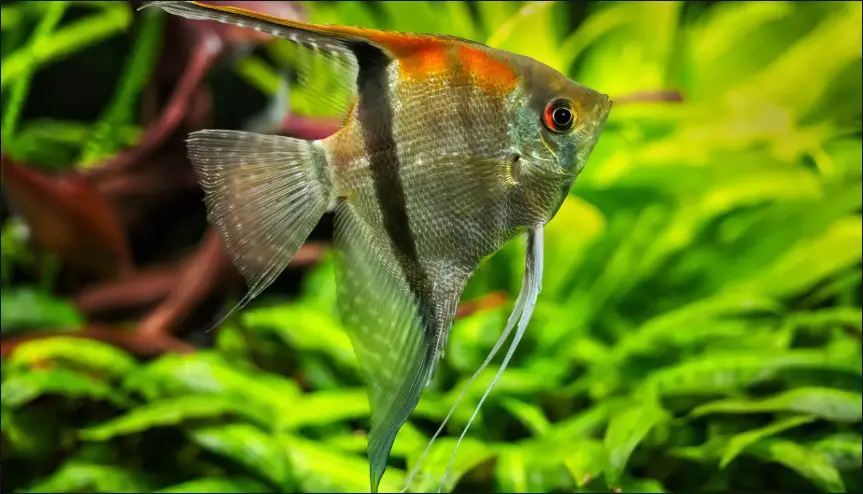
It’s fascinating to note that while their teeth may seem harmless, they can inflict minor injuries if they feel threatened or are competing for food. Therefore, understanding their anatomy is essential for fish owners who want to keep their angelfish healthy and happy.
Furthermore, the presence of teeth also indicates that angelfish are equipped to handle a variety of feeding scenarios. Their teeth help them to consume a range of foods, from flakes to live prey like guppies.
While they are generally peaceful fish, it’s important to monitor their feeding behavior to prevent any aggressive tendencies.
If you keep multiple angelfish, having an adequate supply of food can mitigate competitive behavior and reduce the risk of any biting incidents. Ensuring that your angelfish’s feeding environment is stress-free is vital for their well-being and harmony in the aquarium.
Can Angelfish Be Aggressive in Aquarium?
Angelfish can exhibit aggressive behavior, especially during breeding or when they feel their territory is threatened. In an aquarium setting, angelfish will bully other fish. This behavior can manifest as nipping or chasing, particularly if there are multiple angelfish in the tank competing for resources.
If you’ve got an angelfish bullying others, it’s crucial to address this behavior promptly to prevent injuries to the other fish in the tank. Providing ample hiding spots and maintaining a balanced gender ratio can help ease tensions among your angelfish.
Moreover, understanding the dynamics of your aquarium is essential for preventing aggression. Regular water changes and keeping the water quality high can significantly impact the angelfish’s behavior.
If the water isn’t comfortable—such as unsuitable tank pH levels—it may lead to increased stress, prompting angelfish to become aggressive.
ensuring a stable environment and providing plenty of space, you can create a peaceful community tank where angelfish and other fish can thrive without fear of bullying. Additionally, observing their behavior can give you insights into when to intervene if aggression arises.
Do Angelfish Bite Humans?
Generally, angelfish do not bite humans unless they feel threatened. Most interactions between angelfish and their owners are quite peaceful. However, they may nip if they mistake a finger for food, particularly if they are accustomed to being fed by hand.
In such cases, it’s important to remain cautious and avoid putting your fingers too close to their mouths, especially during feeding times. Understanding the feeding habits and triggers of your angelfish can greatly reduce the likelihood of any biting incidents.
It’s also important to note that angelfish are sensitive creatures and can become stressed with sudden movements or changes in their environment. If you notice your angelfish displaying aggressive behavior towards humans, it may be a sign of discomfort.
Therefore, creating a calm and stable aquarium environment is paramount. Keeping the tank well-maintained with regular water changes ensures that the angelfish remain healthy, which in turn minimizes the chances of them biting.
Always remember to approach your aquarium gently and treat your angelfish with respect to foster a positive relationship.
Are Angelfish Poisonous to People?
No, angelfish are not poisonous to humans. They lack any venomous spines or toxic substances that could harm people. However, as with any fish, there is a risk of infection if handled improperly or if there are open wounds on the skin.
It’s important to practice good hygiene and wash your hands before and after interacting with your aquarium. While angelfish may not pose a poisoning threat, they can still be delicate and require careful handling to avoid stressing them out.
In summary, while angelfish are generally safe to handle, it’s wise to be cautious, especially when introducing new fish into the tank. The stress from new tank mates can lead to aggressive behavior, and while they won’t bite humans out of malice, they might nip if startled.
Ensuring that your aquarium is a safe and comfortable space for all the fish will make for a harmonious environment. Regularly checking on the health of your angelfish and the water quality will also help maintain peace and prevent any issues that could arise from stress or discomfort.
Commonly Asked Questions about Angelfish Aggression (FAQs)
Do angelfish bite humans?
Angelfish generally do not bite humans. They are peaceful but may nip if they feel threatened or mistake fingers for food.
Why do angelfish bite each other?
Angelfish bite each other due to territorial disputes, mating competition, or establishing dominance within a group. This behavior is common during breeding or when new fish are introduced to an established tank.
Will separ tetras bite angelfish?
Yes, serpae tetras may bite angelfish, especially if they are in a small group or feel threatened. They are known to nip at the fins of slower-moving fish like angelfish. Keep them in larger groups and provide ample space to reduce aggression.
What are some signs that my angelfish is bullying others in the tank?
When it comes to angelfish, signs of bullying can include aggressive chasing, nipping, or pecking at other fish. If you notice one angelfish consistently harassing others, it’s important to observe their behavior before any fish get hurt.
How can I stop my angelfish’s bullying behavior?
To put an end to the behavior, you can implement 12 expert tips such as providing hiding spots, increasing tank size, or rearranging decorations to disrupt established territories. It’s essential to ensure the tank’s ph level and water conditions are optimal for all fish.
Is it normal for juvenile angelfish to exhibit aggressive behavior?
Yes, juvenile angelfish may chase and display dominance as they establish their social hierarchy. However, it’s also harder to manage aggression in smaller tanks, so it’s important to monitor their interactions closely.
What should I do if my angelfish is sick and behaving aggressively?
If an angelfish is sick, it may act aggressively out of stress or discomfort. It’s crucial to address the health issue first, as sick angelfish may find it challenging to compete for food and space, leading to increased bullying of healthier fish.
How can I create a more harmonious environment for my angelfish?
To foster a peaceful tank environment, they need at least 5-10 gallons of water per angelfish, provide plenty of hiding places, and consider keeping a mix of species to reduce competition. Reader success stories often highlight the importance of a well-planned tank setup.
Can changing the water help reduce angelfish bullying?
Yes, changing the water regularly can improve the overall health of the tank environment, making it less stressful for your angelfish. Comfortable water conditions can reduce aggression and help them coexist more peacefully.
How does breeding affect angelfish behavior in the tank?
When angelfish spawn, their behavior can change significantly. During this time, they may become territorial and aggressive, often leading to bullying of other fish. It’s important to monitor their interactions closely and be prepared to separate them if needed.
What is the best way to introduce new angelfish to an existing tank?
When introducing new angelfish, it’s important to do so gradually. Use a separate quarantine tank first and ensure that the new fish are healthy. This practice helps prevent the spread of disease and allows you to observe their behavior before they join the main tank.
Are there certain tank mates that are better suited for angelfish?
Yes, angelfish are cichlids and can be territorial. It’s best to choose tank mates that are similarly sized and not overly aggressive. Avoid keeping them with small fish that may be seen as prey, as angelfish are carnivores and may attempt to eat them.
How can I tell if my fish are just establishing dominance rather than bullying?
While establishing dominance, angelfish may display some chasing and pecking, but it’s usually brief and not harmful. If you notice persistent aggression, especially if one fish is consistently targeted and stressed, it’s important to take action to ensure all fish are safe and healthy.
Conclusion
In conclusion, angelfish are beautiful and fascinating creatures that can thrive in a well-maintained aquarium. While they possess teeth and can exhibit aggressive behavior, they are generally peaceful fish that do not pose a threat to humans. By understanding their behavior and needs, fish owners can create a harmonious environment, minimizing bullying and aggression among tank mates. Regular water changes, maintaining water quality, and providing ample hiding spots are essential steps to ensure the well-being of angelfish and the other fish in the tank. Remember, a peaceful aquarium leads to happy fish!
Ultimately, by being aware of the dynamics within your aquarium and taking proactive steps to address any signs of aggression, you will be better equipped to care for your angelfish. Following expert tips and engaging in regular observations can help prevent conflicts and ensure that all fish coexist peacefully. Whether you have a single angelfish or multiple in your tank, fostering a peaceful environment will lead to a thriving aquatic community where all fish can flourish.
You Might Also Like
- Are Angelfish Aggressive: Tips for a Peaceful Aquarium Setup
- Are Angelfish Schooling Fish: (Do They Swim in Groups!)
- How Many Angelfish Should Be Kept Together (Ideal Group)
- Freshwater Black Angelfish: Habitat, Lifespan & Tank Mates
- Treating Fin Rot on Angelfish: Step-by-Step Recovery Guide
- Angelfish Mating vs. Fighting: Key Signs to Watch For
- Will Angelfish Eat Other Smaller Fish: (What You Need to Know)
- Common Reasons of Angelfish Fighting & How to Stop it