Are you looking for the best way to care for Platinum Angelfish? Proper tank setup, a well-balanced diet, and ideal breeding conditions are crucial for keeping these stunning fish healthy. This guide will cover everything you need to know about Platinum fish Care: Tank Setup, Diet & Breeding Tips to help your fish thrive.
Platinum Angel fish require a spacious tank with stable water conditions and plenty of hiding spots. Their diet should include high-protein foods like brine shrimp and quality flakes for optimal health. When breeding, controlled water parameters and a separate breeding tank increase success rates, as recommended by renowned aquarists like Heiko Bleher.
But setting up the perfect environment and ensuring successful breeding takes more than just the basics. Want to learn the expert-recommended strategies for raising healthy Platinum Angelfish? Let’s dive into the details and help you master their care!
Are Platinum Angelfish Rare?
Platinum Angelfish are considered somewhat rare compared to other freshwater fish species. Their unique appearance, which is a result of a recessive gene, means they do not breed as prolifically as more common varieties like the silver or marble angelfish.
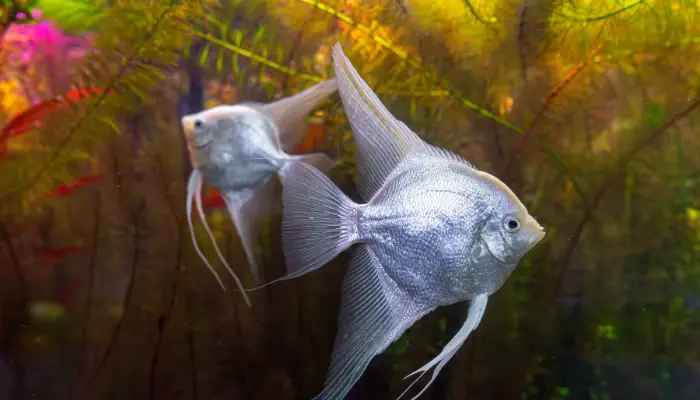
Collectors and enthusiasts often seek out this specific type of angelfish due to their stunning look, which may not look identical to the images found online. Consequently, their rarity can lead to higher prices in the aquarium trade, making them a sought-after addition to many freshwater aquariums.
While not entirely uncommon, the availability of Platinum Angelfish fluctuates based on breeding success and market demand. Breeders who focus on producing this particular color morph often face challenges, including maintaining healthy stock and ensuring genetic diversity.
This rarity can make them a prized possession for aquarists who appreciate the beauty and uniqueness of these freshwater cichlids. Overall, while they may not be the rarest of fish, their distinctive allure adds to their appeal in the united states aquarium hobby.
How Big Do Platinum Angelfish Get?
Platinum Angelfish, like other members of the Pterophyllum sp family, can grow to a significant size. Adult Platinum Angelfish may reach up to 6 inches in height and about 8 inches in width, depending on their environment and care.
Their growth can be influenced by various factors, including tank size, water conditions, and diet. In a well-maintained aquarium, these beautiful freshwater fish can thrive and reach their full potential, showcasing their long fins and elegant body shape.
As they grow, it’s essential to provide ample space for these fish to swim freely. A larger tank, ideally at least 30 gallons or more, will help accommodate their growth and social behaviors.
Proper water parameters, including temperature and pH levels, also play a crucial role in their development. When raised in optimal conditions, Platinum Angelfish not only grow larger but also display their stunning coloration and sheen, making them a breathtaking addition to any aquarium setup.
Are Platinum Angelfish Aggressive?
While Platinum Angelfish can display territorial behaviors, they are not inherently aggressive. In fact, these freshwater cichlids are semi aggressive, and can coexist peacefully within a community tank if introduced correctly.
However, as with many fish species, aggression levels can vary among individuals. During breeding season, they may become more protective and exhibit defensive behaviors, especially towards other fish that invade their space. It’s essential to monitor their interactions with tank mates and ensure a peaceful environment.
Platinum Angelfish – Pterophyllum sp care
Caring for Platinum Angelfish Pterophyllum scalare involves understanding their specific needs, including tank setup, diet, and social interactions. These beautiful freshwater fish thrive in an aquarium with plenty of swimming space and hiding spots, such as driftwood and plants.
The ideal water conditions for these freshwater angelfish include a temperature range of 75-82°F and a pH level of 6.5-7.5. Regular water changes are essential to maintain these parameters and ensure a healthy environment for your fish.
In terms of diet, Platinum Angelfish are omnivores and require a balanced mixture of foods. High-quality flake and pellet foods should be supplemented with frozen foods like brine shrimp and bloodworms to provide essential nutrients.
Feeding them a varied diet not only promotes better health but also enhances their vibrant coloration. Monitoring their feeding habits is crucial, as overfeeding can lead to health issues. Ensuring proper care will allow your Platinum Angelfish to thrive in a well-maintained aquarium.
Platinum Angelfish Tank Setup, Diet & Breeding Tips
Setting up a tank for Platinum Angelfish involves creating an environment that mimics their natural habitat while accommodating their needs. A spacious aquarium with a capacity of at least 20 gallons is ideal for these fish.
Incorporating decorations like plants, driftwood, and rocks will provide hiding spots and reduce stress. Maintaining stable water conditions is critical, so regular monitoring and changes are necessary to keep the water parameters within the recommended ranges.
When it comes to diet, providing variety of foods is vital for the health of Platinum Angelfish. A combination of high-quality pellets, flake foods, and occasional frozen options like bloodworms and brine shrimp will ensure they receive all necessary nutrients.
Breeding these angelfish can be an exciting endeavor; they typically form monogamous pairs and require specific conditions to spawn successfully. Creating a separate breeding tank with appropriate hiding spots can encourage breeding behavior, allowing you to witness the fascinating life cycle of these captivating fish.
They can be housed individually, in pairs, or in moderately sized groups of six or more. Contrary to common assumptions, long-finned varieties such as the Platinum Angelfish can coexist with barbs and other species known for fin nipping.
What Is the Most Sought After Angelfish?
Among the various types of angelfish, the Platinum Angelfish is often regarded as one of the most sought-after species. Their stunning appearance, characterized by a brilliant sheen and elegant fins, makes them a favorite among aquarists.
While there are many other popular small fish varieties, such as the gold angelfish and marble angelfish, the unique coloration of Platinum Angelfish sets them apart. Collectors often search for this specific type due to its rarity and beauty, making it a prized addition to any freshwater aquarium.
Other notable angelfish varieties include the golden angelfish and the silver angelfish, each with its charm and appeal. However, the allure of the Platinum Angelfish often prevails, attracting enthusiasts who appreciate their distinct appearance and gentle nature.
As the aquarium trade continues to grow, these beautiful fish remain a top choice for hobbyists looking to enhance their aquatic setups with unique and vibrant species. Ultimately, the Platinum Angelfish stands out as a remarkable example of the beauty found within the angelfish family.
Conclusion
In conclusion, caring for Platinum Angelfish requires a thoughtful approach to their tank setup, diet, and social interactions. Their unique coloration and beauty make them a popular choice among aquarists, yet their care is equally rewarding. Understanding their needs, including optimal water parameters and a balanced diet, will help ensure they thrive in your aquarium. By providing a well-maintained environment and monitoring their behaviors, you can enjoy the stunning presence of these freshwater fish for years to come.
Whether you are a seasoned aquarist or a beginner, the journey of keeping Platinum Angelfish can be incredibly fulfilling. As you learn about their unique characteristics and requirements, you will gain a deeper appreciation for these beautiful freshwater cichlids. By following the tips outlined in this article, you will be well-equipped to create the perfect habitat for your Platinum Angelfish, fostering a healthy and vibrant aquarium that showcases their elegance and charm.
Recommended posts
- Troubleshooting Angelfish Not Eating – Causes & Quick Fixes
- Angelfish Mating vs. Fighting: Key Signs to Watch For
- Angelfish Tank Size Guide – Ideal Space for Your Fish
- What Fish Can Live with Angelfish: Best Compatible Species
- Golden Angel fish Care Guide – Tank Setup, Diet & Breeding Tips