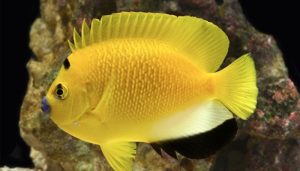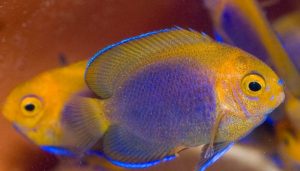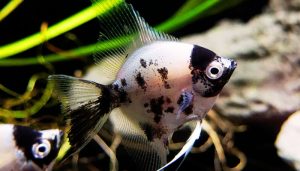
How big do angelfish get? Discover their maximum size & growth! If you’re thinking about adding these elegant swimmers to your freshwater aquarium, you might wonder just how large they can grow. Can they outgrow your tank, or will they stay a manageable size?
On average, freshwater angelfish reach about 6 inches (15 cm) in length, with a height of up to 8 inches (20 cm). Some larger species, like the Altum angelfish, can grow over 10 inches (25 cm) tall. Their growth depends on genetics, diet, and water conditions, making proper care essential.
But size isn’t the only fascinating thing about angelfish! Their lifespan, behavior, and unique needs play a huge role in their care. So, let’s dive deeper into everything you need to know about their growth and how to help them thrive!
How Big Do Angelfish Get in Aquariums?
How big can angelfish get? In an aquarium setting, freshwater angelfish can reach sizes of 6 to 8 inches in height and around 10 inches in length, depending on the size of the tank and angelfish species.
Their size can be influenced by various factors, including the size of the tank, water quality, and the availability of space to swim around.
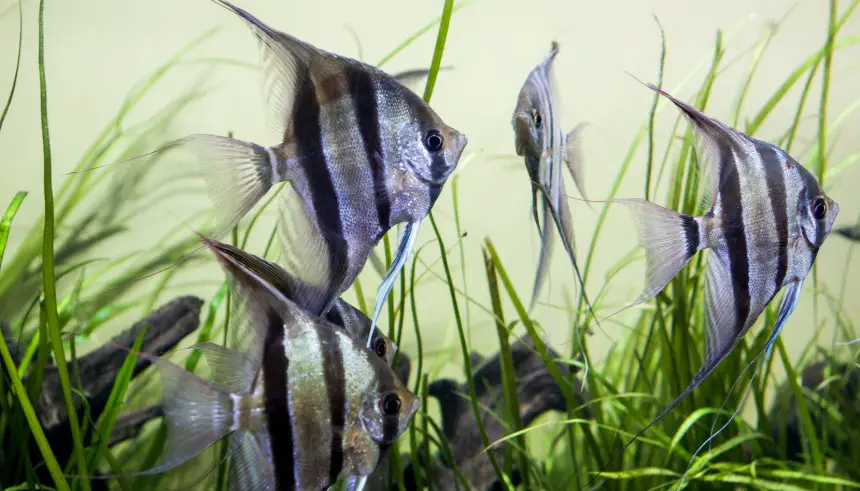
Angelfish are known for their tall, elegant fins, which contribute to their overall size. A well-maintained planted tank with appropriate tank mates can help them thrive and reach their full potential size.
In addition to their impressive height, angelfish tend to have a robust body, which can make them appear even larger in the water. When kept in a spacious 55-gallon tank or larger, these aquarium fish can develop their full size and display their natural beauty.
It’s essential for aquarists to monitor their growth and ensure they have adequate room to swim freely, as overcrowding can lead to stress and hinder their development. Ultimately, providing a suitable environment will allow angelfish to grow to their impressive size.
How Long Until Angelfish Are Full Grown?
The growth rate of angelfish varies, but they typically reach their full size within 6 to 12 months. Young fish, often available at aquarium stores, can start at about 1 inch in size. As they mature, they go through several growth stages, and their size can increase significantly within the first few months.
During this period, it’s crucial to maintain stable water conditions and provide a balanced diet, including bloodworms and brine shrimp, to support their growth efficiently.
By the time they are 6 months old, most angelfish will be around 3 to 4 inches long, and with proper care, they will continue to grow rapidly until they reach adulthood. Factors such as tank size, water quality, and live food will directly influence their growth rate.
Within a year, you can expect your angelfish to have reached their impressive size, making them a focal point in your aquarium. Regular testing of aquarium water with a test kit can help ensure that the environment remains optimal for their growth.
Do Angelfish Need a Tall Tank?
Angelfish are unique in their shape and swimming style, which makes a tall tank ideal for their needs. Due to their elongated bodies and long fins, a tank with vertical space allows them to swim gracefully, mimicking their natural habitat.
A minimum height of 24 inches is recommended for angelfish, as it provides them with enough room to swim up and down, which they enjoy. A tall tank also allows for the addition of vertical decorations and a planted tank that can enhance their environment.
While a standard 20-gallon tank might suffice for young angelfish, adult fish will require a larger tank to accommodate their size. A 55-gallon tank or more is often preferred to ensure they have adequate space and minimize territorial behavior.
Providing a tall tank not only promotes their well-being but also allows for a more visually appealing setup where they can thrive alongside appropriate tank mates, such as cory catfish or smaller fish that won’t compete for space.
How Many Angelfish Can Go in a 40 Gallon Tank?
When considering how many angelfish to keep in a 40-gallon tank, it’s important to remember that angelfish are territorial and can exhibit aggressive behavior, especially during breeding.
Generally, keeping one angelfish per 20 gallons of water is a good guideline, which means a 40-gallon tank can comfortably house two angelfish.
However, if you want to keep small school, it is advisable to ensure they are of similar size and to provide plenty of hiding spots, such as java fern or other aquatic plants, to reduce stress and territorial disputes.
In addition to angelfish, you can include compatible tank mates like tetras and catfish that occupy different areas of the tank, ensuring that your angelfish have their space while still enjoying community dynamics.
It’s crucial to monitor their behavior and be prepared to separate them if aggression arises. By providing a suitable environment and respecting their territorial nature, you can successfully maintain a small group of angelfish in a 40-gallon tank while fostering a harmonious aquatic community.
Setting up the Ideal Tank Environment
Creating the ideal tank environment for angelfish involves several key components to ensure their health and happiness. A well-planted tank with plenty of hiding spots allows these fish to feel secure and reduces stress.
Live plants such as java fern, along with various decorations, can help to create a natural habitat. Additionally, keeping the tank water clean and stable is essential; angelfish thrive in slightly acidic to neutral water pH and temperatures between 76°F and 82°F.
Regular maintenance, including water changes and testing with a reliable test kit, is vital in sustaining a healthy aquarium environment. Angelfish are hardy but can be sensitive to drastic changes in their surroundings.
Providing a balanced diet rich in protein, such as bloodworms and brine shrimp, will also help them maintain their vibrant colors and robust health. By focusing on these aspects, aquarists can create a thriving environment for their angelfish to flourish and grow to their impressive size.
Angelfish prefer to lay eggs on broad, vertical surfaces, such as plants with broader leaves. Angelfish prefer to lay eggs on broad, vertical surfaces, such as plants with broader leaves.
These surfaces provide a secure and stable environment for the eggs, which are often laid in clusters. The female angelfish typically selects a suitable location and cleans it meticulously before depositing her eggs.
Appropriate Tank Mates
Choosing appropriate tank mates for angelfish is crucial to maintaining a peaceful aquarium environment. Angelfish can be territorial, so it’s important to select species that are compatible and won’t provoke aggression.
Smaller fish, like tetras, can make excellent tank mates, as they occupy different swimming levels and are less likely to challenge angelfish for territory.
Additionally, bottom-dwelling fish such as cory catfish can coexist peacefully with angelfish, as they tend to stay out of their way.
However, it’s important to avoid keeping angelfish with overly aggressive fish, such as betta fish or other cichlids known for territorial behavior. When introducing new tank mates, it’s advisable to do so gradually and monitor their interactions closely.
Keeping a balanced and diverse community of fish will not only enhance the beauty of the aquarium but also create a harmonious environment for your angelfish to thrive alongside their companions.
Conclusion
So, how big does a angelfish get? In conclusion, understanding the size and growth potential of angelfish is essential for any aquarist looking to create the perfect environment for these beautiful aquarium fish. With the right tank size, suitable tank mates, and proper care, angelfish can thrive and reach their impressive adult size. By providing a tall, well-planted tank and maintaining stable water conditions, you can ensure that your angelfish live long, healthy lives while displaying their stunning beauty in your aquarium.
As you embark on your journey with angelfish, remember that their needs evolve as they grow. Staying informed about their requirements and maintaining a healthy tank environment will ultimately lead to a rewarding experience. Whether you choose to keep one angelfish or a small group, their captivating presence in your aquarium will surely bring joy and fascination to your aquatic setup.
Recommended posts
- Best Angelfish Tips for a Stunning & Healthy Aquarium
- Top 10 Best Angelfish Tankmates – Safe and Peaceful Choices
- How Long Do Angelfish Live for: (Care Tips for Longevity)
- Angel fish Water Temperature: The Ideal Range & Aquarium Tips
- Breeding Angelfish: Angel fish Eggs Care and Hatching Tips
- Male vs Female Angel fish: Spotting the Differences Like a Pro
- Bad Tankmates for Angelfish: (Worst Tankmates to Avoid)
- Are Angelfish Aggressive: Tips for a Peaceful Aquarium Setup
- The Average Life Expectancy of Angelfish & How to Improve It
- Angelfish Aquarium Size Guide – Ideal Space for Your Fish
- Angelfish Different Types: Stunning Varieties for Your Tank
- What Do Angelfish Eat? The Best Angelfish Foods
- How Many Angelfish Should Be Kept Together (Ideal Group)
- Full Grown Angelfish: Size, Care, and Tank Requirements
- The Complete Guide to Angelfish Tank Setup and Breeding Tips
- Can You Keep Angelfish in a 20 Gallon Tank? (Pros & Cons)