What do angelfish eat? The best angelfish food choices can make a big difference in their health and growth. But with so many options available, how do you know which foods are best for your angelfish?
Angelfish thrive on a varied diet of high-protein flakes, pellets, live foods like brine shrimp, and frozen options such as bloodworms. They need a mix of nutrients to maintain their vibrant colors and energy levels. A well-balanced diet ensures a longer lifespan and better breeding success.
But there’s more to feeding angelfish than just picking any food off the shelf. Understanding angel fish diet and nutritional needs is key to keeping them happy and healthy. Let’s dive deeper into the best angelfish food choices to help your fish thrive!
What Do Angelfish Eat in the Wild?
In their natural habitat, angelfish primarily consume a variety of aquatic organisms. They are omnivorous and feed on small insects, worms, and crustaceans, which include brine shrimp and bloodworms.
These freshwater aquarium fish tend to inhabit slow-moving rivers and streams in the Amazon basin, where they find ample food sources among the aquatic plants and substrates.
The availability of food may vary depending on the season and water quality, which directly influences their foraging behavior.
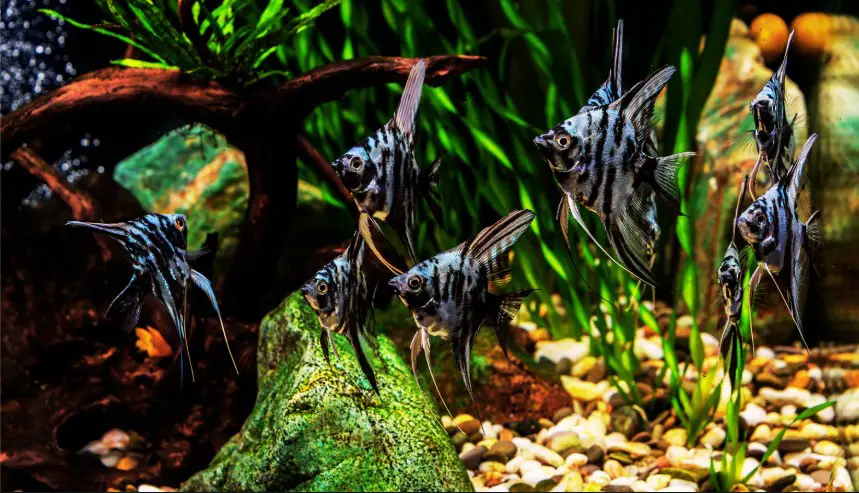
Wild angelfish have been observed to pick at algae and detritus, showcasing their adaptability to different food sources in their environment.
In addition to smaller food items, angelfish also consume fry from other tank mates, which adds protein to angelfish diet.
This behavior is particularly important during breeding periods when angelfish may lay eggs and protect their territory from potential threats. The diet of angelfish in the wild reflects the need for a varied intake to support their growth and reproductive success.
Their willingness to eat a wide range of foods allows them to thrive in diverse environments, making them resilient fish in the wild. Overall, understanding their natural feeding habits can help aquarists better replicate their diet in captive settings.
What Do Angelfish Eat in Aquarium?
In an aquarium setting, the diet of angelfish should be carefully managed to ensure they receive the necessary nutrients. Many aquarists choose a combination of flake food, pellets, and frozen options to provide a well-rounded diet.
High-quality fish foods specifically formulated for cichlids are often recommended, as they contain essential vitamins and minerals that support the health of angelfish.
Additionally, offering live foods such as brine shrimp and bloodworms can stimulate their natural hunting instincts and encourage active swimming behaviors.
It’s essential to feed angelfish a variety of foods to prevent boredom and maintain their interest in eating. New fish should be gradually introduced to different food types to ensure they develop a taste for the variety available.
When selecting food, consider the specific needs of both baby angelfish and adult angelfish, as their dietary requirements may differ.
For instance, baby angelfish, or fry, benefit from finely crushed flakes or specialized fry food that meets their growth needs. Regular feeding schedules, combined with quality food choices, will lead to healthier and more vibrant angelfish in your aquarium.
Best Angelfish Food Choices (List)
When choosing the best food for angelfish, it’s important to select options that cater to their omnivorous diet. A mix of high-quality flakes and pellets designed for cichlids is an excellent foundation for their diet.
These foods provide balanced nutrition, ensuring that angelfish receive necessary proteins, fats, and vitamins. Additionally, incorporating freeze-dried foods like tubifex worms and mosquito larvae can offer a nutritional boost and variety to their meals. Many pet stores also supply specialized angelfish food that is formulated to meet their specific dietary needs.
Live food is another fantastic choice for feeding angelfish, as it mimics their natural feeding habits. Offering live brine shrimp or daphnia can promote natural behaviors and enhance the overall health of your aquarium fish.
Furthermore, providing fresh vegetables, such as blanched spinach or zucchini, can contribute to their dietary diversity. It’s crucial to avoid overfeeding, as this can lead to poor water quality in the tank, which can adversely affect the health of your angelfish.
Regularly monitoring the slow moving water parameters and ensuring a clean environment will help maintain the optimal conditions for your beloved fish.
Here are some of the best food choices for angelfish:
1. High-Quality Flake Food
- Why: Flake food is a staple for many aquarium fish, including angelfish. Look for high-quality flakes specifically formulated for tropical fish or cichlids.
- Brands: TetraMin, Hikari Cichlid Gold, Omega One Freshwater Flakes.
2. Pellets
- Why: Pellets are another convenient option that can provide a balanced diet. Sinking pellets are often preferred as angelfish are mid-water feeders.
- Brands: New Life Spectrum Cichlid Formula, Omega One Super Color Cichlid Pellets.
3. Frozen Foods
- Why: Frozen foods like brine shrimp, bloodworms, and daphnia are excellent for providing variety and essential nutrients.
- Options: Brine shrimp, bloodworms, daphnia, mysis shrimp.
- Brands: Hikari, San Francisco Bay Brand.
4. Live Foods
- Why: Live foods can stimulate natural hunting behaviors and provide high nutritional value.
- Options: Brine shrimp, bloodworms, blackworms, daphnia.
- Note: Ensure live foods are from a reputable source to avoid introducing parasites or diseases.
5. Freeze-Dried Foods
- Why: Freeze-dried foods are a convenient alternative to live foods and still retain much of their nutritional value.
- Options: Freeze-dried bloodworms, brine shrimp, tubifex worms.
- Brands: Hikari, Omega One.
6. Vegetable Matter
- Why: Angelfish are omnivores and benefit from some plant-based foods in their diet.
- Options: Blanched spinach, zucchini, peas (shelled), spirulina flakes.
- Note: Ensure vegetables are thoroughly washed and free from pesticides.
7. Homemade Foods
- Why: You can create custom blends to ensure a varied and nutritious diet.
- Options: Mixtures of seafood (shrimp, fish fillets), vegetables, and gelatin to bind the ingredients.
Feeding Tips:
- Variety: Rotate different types of food to ensure a balanced diet and prevent nutritional deficiencies.
- Portion Control: Feed small amounts 2-3 times a day, only as much as they can consume in 2-3 minutes.
- Water Quality: Remove any uneaten food to maintain good water quality and prevent ammonia spikes.
Special Considerations:
- Juvenile Angelfish: Younger angelfish may require more frequent feedings and protein-rich foods to support growth.
- Breeding Angelfish: Increase the amount of high-protein foods like live or frozen brine shrimp to condition them for breeding.
By providing a varied and balanced diet, you can ensure your angelfish remain healthy, vibrant, and active.
Commonly Asked Questions about the Best Angelfish Foods (FAQs)
What foods can angelfish eat?
Angelfish are omnivores and can eat a variety of foods for angelfish include flakes, pellets, frozen or live brine shrimp, bloodworms, daphnia, and finely chopped vegetables like spinach or zucchini. A balanced diet ensures their health and vibrant colors.
Is flakes or pellets better for angelfish?
Flakes are generally better for angelfish as they are easier to eat and provide a balanced diet. However, pellets can also be used if they are small enough for the angelfish to consume. A mix of both can offer variety and ensure proper nutrition.
What makes angel fish happy?
Angel fish thrive in clean, warm aquarium water (75-82°F) with stable conditions, a well-planted tank, and plenty of hiding spots. They enjoy a varied diet of high-quality flakes, pellets, and live or frozen foods.
Do angelfish need live food?
Angelfish do not need live food but can benefit from it as part of a varied diet. High-quality flakes, pellets, and frozen foods are sufficient, but occasional live food like brine shrimp or bloodworms can enhance their health and coloration.
What should I feed my angelfish?
Feed your angelfish a varied diet of high-quality flakes, pellets, frozen or live foods like brine shrimp, bloodworms, and daphnia, along with occasional vegetables like blanched spinach or zucchini. This ensures balanced nutrition and supports their health.
How often do angel fish eat?
Angel fish typically eat 2-3 times daily. Feed them small portions of high-quality flakes, pellets, or live/frozen food to maintain their health. Adjust feeding based on their size and activity level.
How to Feed Freshwater Angelfish?
Feed freshwater angelfish a balanced diet of high-quality flakes, pellets, frozen or live foods like brine shrimp, bloodworms, and daphnia. Offer small portions 2-3 times daily, ensuring they consume the food within 2-3 minutes to avoid overfeeding and maintain water quality.
What do saltwater angelfish eat?
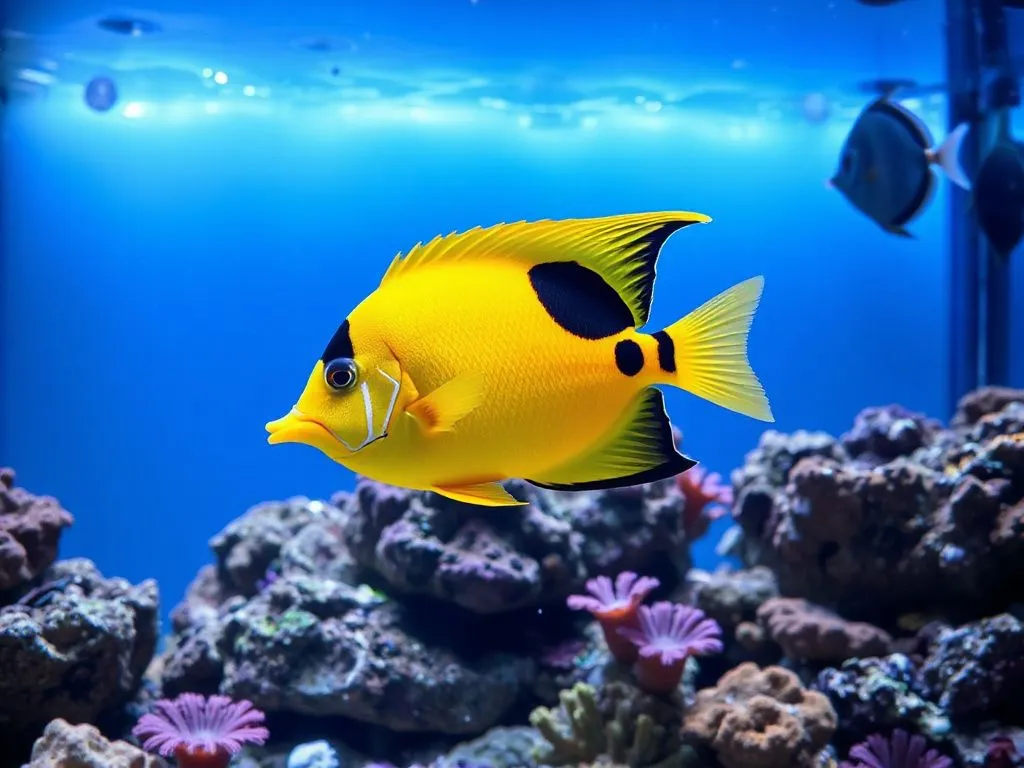
Saltwater angelfish eat a varied diet including algae, sponges, small crustaceans, plankton, and shrimp. In captivity, they thrive on high-quality marine flakes, pellets, frozen foods, and occasional fresh vegetables.
Conclusion
In conclusion, understanding what do angelfish eat and providing a balanced diet is essential for their health and longevity. Whether in the wild or in an aquarium, angelfish require a variety of food sources to thrive. From small aquatic organisms in their natural habitats to high-quality flakes and angelfish live foods in captivity, the diversity of angel fish diet is vital. By choosing the best angelfish food options and maintaining optimal water quality, aquarists can successfully keep these popular fish healthy and happy in their tanks. Emphasizing a varied diet will not only enhance the beauty of angelfish but also encourage their natural behaviors, making them a joy to observe and care for.
Recommended posts
- Angelfish Swimming Sideways? Signs, Causes, and How to Help!
- What Fish Can Live with Angelfish: Best Compatible Species
- Will Angelfish Eat Shrimp: Risks, Tips & Best Practices
- How Big Do Angelfish Get? Discover Their Maximum Size & Growth
- Top 5 Common Angelfish illnesses & How to Cure Them Fast
- Breeding Angelfish: A Complete Guide to Raising Healthy Fry
- Best Angel fish Plants for Happy Fish – Aquarium Care Tips
- Exploring the Angelfish Natural Habitat: Rivers & Ecosystems
- Do Angelfish Eat Other Fish: (What You Need to Know)
- How Often to Feed Angelfish: Best Feeding Schedule & Tips
- Exploring Freshwater Angelfish in the Wild: How They Adapt and Survive