Ever wondered how angelfish eggs develop and hatch into beautiful fry? Understanding their egg stages and hatching process is crucial for successful breeding. Let’s explore the fascinating journey from egg-laying to free-swimming angelfish.
Angelfish eggs go through several stages before hatching. Within 24-48 hours, fertilized eggs develop into wrigglers, feeding on yolk sacs for sustenance. After another 3-5 days, they become free swimmers, ready to explore and grow.
But what factors ensure a successful hatch? Experts like renowned aquarist Jack Wattley emphasize proper water conditions and parental care. Let’s dive deeper into each stage and learn how to maximize your angelfish breeding success!
Where Do Angelfish Lay Eggs?
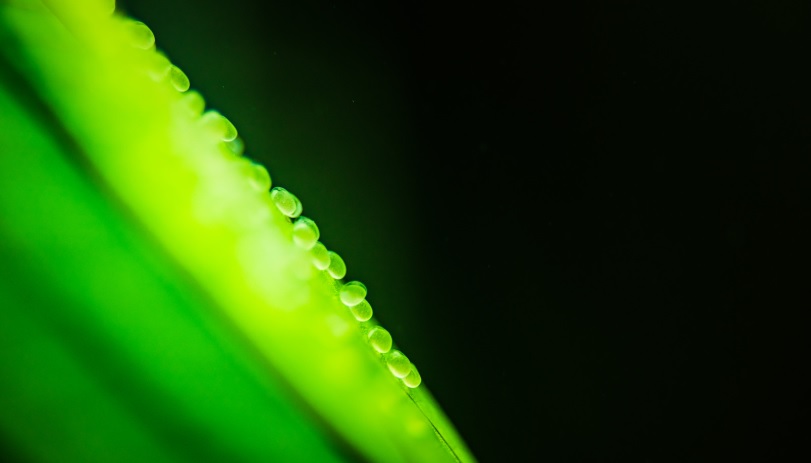
Angelfish typically lay their eggs on flat surfaces in the aquarium, such as broad-leafed plants or the glass walls of the tank.
In a community tank, it is advisable to provide a separate breeding container to increase the chances of survival for both the eggs and the fry. The ideal location should be clean and free from disturbances, allowing the angelfish to feel secure while laying their eggs.
Often, breeding pairs will choose a specific spot they deem suitable, where they can closely guard their eggs from potential threats. This careful selection is not just about safety; it also ensures optimal conditions for the developing embryos.
In addition to flat surfaces, the tank’s overall environment plays a significant role in where angelfish decide to lay their eggs. The water quality, temperature, and pH levels must be suitable for egg laying and development. If these conditions are optimal, angelfish are more likely to breed successfully.
When you observe your freshwater angelfish preparing to lay eggs, it’s the perfect time to ensure that their surroundings are conducive to a successful spawning event. Keeping the breeding fish tank isolated from other freshwater fish will help minimize stress and potential eating of the eggs, further increasing the chances of raising healthy fry.
What Do Angelfish Eggs Look Like?
Angelfish eggs are typically small, translucent, and oval-shaped. They are usually about 1-2 millimeters in diameter. When first laid, the eggs are clear or slightly amber in color, and you may be able to see a tiny dark spot inside, which is the developing embryo. Over time, as the embryos grow, the eggs may become more opaque.
They are usually laid on a flat surface, such as a broad leaf, a piece of slate, or the glass of an aquarium. The parents often guard the eggs and may fan them with their fins to ensure proper oxygenation and to prevent fungal growth. If the eggs are fertile and conditions are right, they will hatch in about 48 to 60 hours, depending on the water temperature.
Unfertilized or dead eggs often turn white and may develop a fuzzy appearance due to fungal growth, which is a sign that they are not viable.
What are the Signs of Fertilized Angelfish Eggs?
Identifying fertilized angelfish eggs is crucial for anyone looking to raise fry successfully. Fertile eggs are usually translucent and exhibit a gray or clear appearance, while unfertilized eggs typically turn white due to fungal growth.
Within a few days after laying, fertile eggs will develop an eye spot as they mature, indicating that they are viable and developing into embryos. This eye spot is a clear sign that the eggs have been successfully fertilized and are on their way to hatching.
Additionally, the behavior of the breeding pair can provide clues about the status of the eggs. If the angelfish are actively guarding their spawn, fanning the eggs, and removing any unfertilized ones, it is a good indication that the eggs are indeed fertile.
In contrast, if the parents seem indifferent or begin to eat the eggs, it could signal that the eggs are not viable. Monitoring the eggs closely and understanding these signs will help you take the necessary actions to support successful hatching.
The male in the tank, whose sex is undetermined but whose behavior suggests he is male, appears to be younger. I have kept the female for about 1.5 years and the male for approximately 6 months. It’s possible that he hasn’t fertilized the eggs at all or has done so to a limited extent.
Why is it Important to Identify Fertilized Eggs?
Identifying fertilized angelfish eggs is vital for several reasons, especially if you plan to raise the fry. Knowing which eggs are fertile helps you maintain a clean environment, as unfertilized eggs can attract fungus and lead to complications.
By removing these non-viable eggs promptly, you can help prevent diseases that could spread to the healthy eggs. Moreover, recognizing the signs of healthy eggs allows you to prepare for the hatching process and care for the fry as they emerge.
Another significant reason for identifying fertilized eggs is to ensure proper feeding of the fry once they hatch. Fertilized angel fish eggs will develop into fry that require specific diets, such as live food like brine shrimp or daphnia, to thrive.
Understanding the nutritional needs of the fry from the beginning can give you an advantage in raising strong, healthy juvenile angelfish. Ultimately, successfully identifying fertilized eggs lays the groundwork for a flourishing angelfish population in your aquarium, enhancing your experience as a breeder.
Angelfish Egg Stages
The development of angel fish eggs goes through several distinct stages. Initially, after laying, the eggs will appear as small, round, and translucent or gray objects. Over the first few days, the eggs begin to develop and can be observed for changes, such as the formation of eye spots, which typically appear around the third day.
This is a crucial phase, as it indicates that the eggs are viable and have been fertilized. If conditions in the tank, such as temperature and water quality, are optimal, the eggs will continue to develop.
As the days progress, the eggs will transition into the wiggler stage, where the embryos begin to move slightly inside the egg. At this point, the fry are still attached to their yolk sacs for nourishment, and they will remain in this stage for approximately two to three days. After this period, they will hatch and become free-swimming fry.
Each stage of development is crucial, and understanding these stages can help you better prepare for the challenges of raising angelfish fry, including providing the right tank setup and diet for their growth.
Angelfish Egg Hatching Process
The hatching process of angel fish eggs is an exciting time for any breeder. Typically, the eggs will hatch between 48 to 72 hours after fertilization, depending on the water temperature.
A higher temperature within the optimal range can speed up the hatching process, while cooler water may prolong it.
During this period, it’s vital to ensure that the tank water remains clean and free from any contaminants that could harm the developing fry. The parents usually play an active role, guarding the eggs and fanning them to ensure proper oxygenation.
Once the fry hatch, they will initially remain attached to their egg sacs, deriving nutrients from them for a few days. After this wiggler stage, the fry will begin swimming independently, and this marks the beginning of their journey into juvenile angelfish.
At this point, it’s essential to provide them with appropriate live food, such as baby brine shrimp or finely crushed flakes, to support their growth.
The transition from eggs to fry is a crucial stage in the Pterophyllum scalare life cycle, and understanding this process will help you ensure the survival of your new angelfish.
Commonly Asked Questions about Angel Fish Eggs (FAQs)
How long does it take for angel fish eggs to hatch?
Angelfish eggs typically hatch in about 2-3 days at a water temperature of 78-80°F (25-27°C). Proper care ensures healthy fry development.
What is the survival rate of angelfish eggs?
The survival rate of angel fish eggs is typically 50-70%, depending on water conditions, parental care, and protection from predators or fungus.
What to do if your angelfish lay eggs?
If your angelfish lay eggs, protect them by separating parents if aggressive, maintain clean water, and ensure proper aeration. Monitor for fungus and avoid disturbing the eggs.
What do fertile angelfish eggs look like?
Fertile angel fish eggs are translucent, slightly amber, and may show tiny black dots (developing eyes) within 24-48 hours. Infertile eggs turn white or opaque.
When to remove angelfish fry from parents?
Remove angelfish fry from parents after 2-3 weeks, once they are free-swimming and independent, to prevent stress or predation.
How many babies do angelfish have?
Angelfish typically lay 100-1,000 eggs per spawn, though not all survive to adulthood. Exact numbers vary based on species, health, and environment.
How long until angelfish fry are free swimming?
Angelfish fry typically become free-swimming 5-7 days after hatching, once they absorb their yolk sacs and start exploring the tank.
Conclusion
In conclusion, understanding angelfish egg stages and the hatching process is essential for any breeder or aquarium enthusiast looking to successfully raise angelfish fry. From knowing where angelfish lay eggs to identifying which ones are fertile, each step plays a significant role in ensuring the survival and health of the young fish. By providing the right environment and proper care, you can enjoy the rewarding experience of watching your angelfish grow from eggs to juvenile fish. With the knowledge gained from this guide, you’ll be well-equipped to embark on your angelfish breeding journey, making it a fulfilling part of your aquarium hobby.
Recommended posts
- Best Angelfish Water Temperature for Healthy Growth
- How Big Do Angelfish Get? Discover Their Maximum Size & Growth
- Best Angelfish Tips for a Stunning & Healthy Aquarium
- How Long Do Angelfish Live for: (Care Tips for Longevity)
- Male vs Female Angelfish: Spotting the Differences Like a Pro
- The Average Life Expectancy of Angelfish & How to Improve It
- How to Breed Angelfish: A Step-by-Step Guide for Aquarists
- How Long Does It Take for Angelfish Eggs to Hatch?
- Angelfish Eggs Turn White? Common Reasons & Prevention
- Angelfish Fry Growth Stages: From Egg to Juvenile