Aquarium enthusiasts often find themselves marveling at the beauty and utility of ramshorn snails in their tanks. But one burning question keeps popping up: do ramshorn snails eat plants?
If you’re a plant-loving aquarist worried about your lush aquatic garden, you’re not alone. These snails are known for their appetite, but what exactly is on their menu?
The answer isn’t as black and white as you might think, and understanding their dietary habits could save you a lot of frustration while keeping your tank balanced and thriving. So, do mini ramshorn snails eat live plants?
Ramshorn snails generally feed on the most delicate plants. They typically prefer decaying or dying plant matter over healthy leaves, making them more of a clean-up crew than destructive pests.
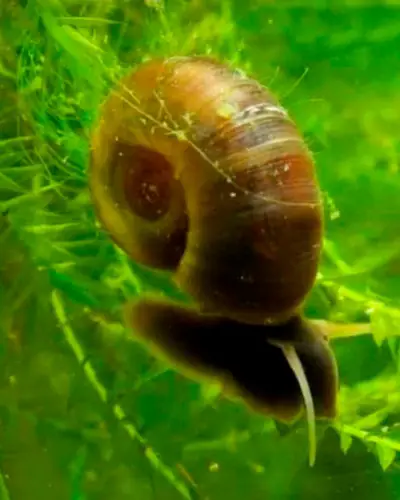
However, if food is scarce or your plants are particularly soft and tender, these snails might start nibbling on live greenery. Knowing this key detail can help you manage their behavior and maintain harmony in your aquarium.
Want to ensure your plants stay safe while keeping these snails happy? Let’s dive deeper into their eating habits and explore practical tips to keep your tank in perfect shape.
Do Snails Eat Live Plants?
Do mini ramshorn snails eat live plants? Freshwater snails like mystery, apple snails, ramshorns, and pond snails are common in aquatic environments, including aquariums. While some snails feed on algae and dead or organic matter, snails will eat certain live plants if they are soft enough.
Aquarists must be cautious and regularly monitor their snail population to ensure they do not become a nuisance. One way to control ramshorn snail population is to remove snails by hand manually.
Additionally, overfeeding can lead to an increase in the snail population and eating the leaves of live plants.
Certain snail species, like assassin snails and trumpet snails, might also eat live plants, so keeping the snail population in check is essential to prevent any damage to your aquarium plants.
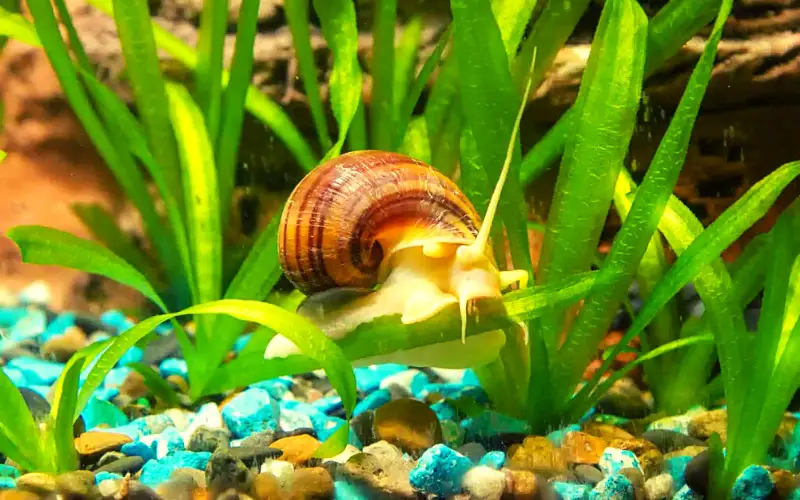
When setting up an aquatic environment, it is important to research which snails might be compatible with your plants. For example, Colombian ramshorn snails are known for eating dead or dying plant matter, while loach and puffer fish are known to snack on snails.
Additionally, some aquarium snails, like mystery snails, may eat healthy plants if they need more nutrients from their diet. Maintaining a balance in the ecosystem is crucial to ensure that your aquatic plants and snails thrive in their environment.
If you notice that your snails often eat live plants, you should reconsider the types of plants in your aquarium and consider adding algae and dead or dying plant matter for them to snack on instead.
Do Ramshorn Snails Eat Plants in Your Aquarium?
The most commonly available Ramshorn snails are generally considered safe for planted tanks. They primarily eat algae, biofilm, detritus, and dead or decaying plant matter. They may nibble on healthy plants only if they are very soft-leaved or damaged.
In a well-maintained aquarium with ample food sources, they are unlikely to cause any problems for your plants.
Giant Colombian Ramshorn snails (Marisa cornuarietis): These snails are much larger and have a much bigger appetite than common Ramshorn snails. They are notorious for eating live plants and will readily consume even healthy, hardy plants. If you have a planted tank, avoid adding Giant Colombian Ramshorn snails.
Here are some factors that can influence whether Ramshorn snails will eat your plants:
- The type of plants you have: Soft-leaved plants are more likely to be eaten than hard-leaved plants.
- The amount of food available: If the snails are well-fed with algae, biofilm, and other detritus, they are less likely to eat your plants.
- The health of your plants: Sick or damaged plants are more likely to be eaten than healthy plants.
- The number of snails: The more snails you have, the more likely they are to eat your plants.
Red Ramshorn Snails and Their Role as Aquarium Pest
Red Ramshorn Snails are often considered pests in aquariums due to their tendency to munch on soft and dead plants. These snails reproduce quickly and lay eggs on surfaces such as plants to prevent. They can also host parasitic flukes that may harm fish.
Some aquarium owners reduce their numbers using Columbian Ramshorn snails, Buce, MTS, and Nerites, which are plant-safe. It’s important to regularly perform water changes and remove any decaying matter in the tank to maintain good water parameters.
These snails have a distinctive tentacle and can be a snack for fish such as minnows, betta, and crayfish, who enjoy eating soft invertebrates like shrimp.
Will Giant Ramshorn Snails Eating My Plants
Whether Giant Ramshorn Snails (Marisa cornuarietis) will munch on your plants depends on a few factors:
Their Diet: While primarily omnivores, they mostly prefer:
- Algae: They’re known algae cleaners, even nibbling on biofilm and decaying matter.
- Dead or decaying plant matter: They’ll readily consume these when available.
- Fish food: If other sources of food are scarce, they might indulge in leftover fish food.
Plant Health: They won’t readily eat healthy, thriving plants. However, if your plants are struggling, showing signs of deterioration, or have algae growth, the snails might take advantage and graze on them.
Species and Quantity: Some plants, like floating and soft-leaved varieties, are more susceptible to their munching. A large population of snails can further increase the chance of damage.
What Plants Do Ramshorn Snails Eat?
Ramshorn snails are primarily detritivores, meaning they feed on decaying plant matter and algae. They are not known to eat healthy, living plants. However, in some cases, they may nibble on the edges of dying or damaged leaves.
Here are some things that ramshorn snails eat:
- Algae: This is their primary food source. They will eat both hard and soft algae, including green, brown, and diatom algae.
- Decaying plant matter: They will also eat dead or decaying plant leaves and other organic matter.
- Fish food: If there is excess fish food in the tank, they may eat it.
- Vegetables: You can offer them blanched vegetables such as spinach, lettuce, or zucchini as a treat.
Overall, ramshorn snails are beneficial to have in a planted tank because they help to keep it clean by eating algae and decaying matter. However, it is important to monitor their population size, as they can reproduce quickly and may overpopulate the tank if there is not enough food for them to eat. Sources and related content
How To Get Rid of Ramshorn Snails?
One effective method to get rid of Ramshorn snails is manual removal. Pick out the snails from your tank whenever you see them. Another method is to use clown loaches, natural predators of snails.
If manual removal and fish predators are insufficient, you can create a quarantine tank to isolate and treat infected plants.
Adding alum to the tank water can also be effective in getting rid of the snails. Lastly, avoid overfeeding your fish, as the snails thrive on uneaten food. You can successfully eliminate pink Ramshorn snails from your aquarium by taking these steps.
Snail Species That Do Not Eat Live Plants
Several snail species are known for not eating live plants, making them excellent choices for aquariums or gardens with delicate flora. Here are some popular options:
Freshwater Aquarium Snails:
- Zebra Nerite Snails (Neritina natalensis): These striking black and white striped snails are popular algae eaters and leave plants untouched. They are also prolific egg layers, but their eggs need brackish water to hatch so they won’t overrun your freshwater tank.
- Malaysian Trumpet Snails (Melanoides tuberculata): These small, slender snails burrow in the substrate and primarily feed on detritus and biofilm. They are peaceful and reproduce slowly, making them good additions to community tanks.
- Rams Horn Snails (Planorbella spp.): These flat-shelled snails come in various colors and are efficient algae eaters. While they might nibble on soft-leaved plants in large numbers, they generally don’t cause significant damage.
- Bladder Snails (Physa spp.): These small, transparent snails are often considered pests but generally only eat decaying plant matter and algae. However, they can reproduce quickly, so keep an eye on their population.
Important Note:
While these species are generally considered plant-safe, individual behavior can vary. Always monitor your snails and ensure they have a sufficient food source besides live plants to prevent them from nibbling on your greenery.
Commonly Asked Questions about Snails and Plants in Your Aquarium (FAQs)
Will ramshorn snails eat live plants?
Do ramshorn snails eat live plants? Most Ramshorn snails prefer algae & leftover food, but some nibble delicate plants if hungry or unhealthy. Consider plant type & snail species for best risk assessment.
What do ramshorn snails eat?
Ramshorn snails eat decaying plant matter, algae, and leftover fish food. They also consume soft aquarium plants, so providing a balanced diet is important.
What are the cons of ramshorn snails?
The cons of ramshorn snails include potential overpopulation, excessive waste production, plant damage, and the potential to become a nuisance in aquariums if not properly managed.
How can I stop snails from eating my plants?
To stop snails from eating your plants, you can try handpicking them, creating barriers, using natural predators like ducks or frogs, or organic snail repellents like copper tape or crushed eggshells.
Are ramshorn snails bad?
It’s alright! They eat algae & debris but can multiply fast. Beneficial in balanced tanks, a nuisance in overfed ones. Consider snail-eating fish for control.
Do ramshorn snails eat algae?
Absolutely! Ramshorn snails are algae munchers, especially soft green varieties. They’ll happily clean your tank but can overpopulate if the food’s abundant.
Do ramshorn snails eat java moss?
Do ramshorn snails eat live plants? While possible, ramshorn snails rarely eat healthy Java moss. They prefer softer algae & debris. However, unhealthy or dying moss might be nibbled. Watch for signs of damage & adjust feeding if needed.
Should you remove snails from plants?
Only sometimes! Depends on snail type & plant damage. Beneficial species clean debris, while pests munch healthy leaves. Assess first and remove selectively if needed.
Conclusion
Do mini ramshorn snails eat live plants? These tiny spiral-shelled critters often hitchhike into aquariums, leaving many wondering: beneficial algae munchers or plant-chomping menaces? While Rams horn snails primarily feast on algae and detritus, some plant nibbling can occur. The good news is that most Ramshorn varieties prefer soft, decaying leaves. Keep them well-fed with blanched vegetables and algae wafers; they’ll likely leave your healthy plants alone.
However, the Giant Colombian Ramshorn is a notorious plant devourer. For a reason, this species earned its place on the “invasive alien species” list! If you value your lush greenery, steer clear of this particular hitchhiker. Do ramshorn snails eat plants? It depends on the species and your plant selection. But with proper care and the right variety, these little snails can be valuable additions to your aquatic ecosystem.
You might also like
- Ramshorn Snail Eggs 101: Everything You Need to Know!
- Ramshorn Snails: Tiny Tank Titans or Tidal Wave of Trouble?
- Are Ramshorn Snails Asexual: Unbelievable Solo Reproduction
- Ramshorn Snail Tank Size 101: Expert Aquatic Snails Caring Guide
- Ramshorn Snails Colors 101: Plant Friendly Tank Additions
- How to Get Rid of Mini Ramshorn Snails in Aquarium (Solved)
- How Big Will Ramshorn Snails Get in Aquarium (Answered)
- What Do Ramshorn Snails Eat in Aquarium: (Ultimate Guide)
- Are Ramshorn Snails Invasive: (Shocking Truth Revealed!)
- Do Ramshorn Snails Eat Hair Algae in Tanks (Myths & Facts)
- Giant Colombian Ramshorn Snail 101: Marisa Cornuarietis Ultimate Guide
- Ramshorn Snail Wildlife Pond 101: The Key Player in the Water Ecosystem
- How to Get Rid of Malaysian Trumpet Snails Naturally! (3 Proven Ways)