Have you ever wondered how to identify Black Skirt Tetra Eggs in your aquarium? If you’re a fish enthusiast or a beginner breeder, understanding the signs of Tetra eggs is crucial for their survival. Let’s dive into spotting and caring for these delicate eggs.
Black skirt Tetra eggs are small, translucent, and often hidden among plants or gravel.
They hatch in about 24 to 36 hours, requiring a well-maintained tank with stable water conditions. Providing a safe environment and proper care ensures the fry survive and thrive.
Spotting and caring for these eggs might seem tricky, but with expert-backed tips, you’ll master it in no time. Aquarist specialists like Dr. Timothy Hovanec emphasize the importance of water quality and nutrition.
So, let’s explore everything you need to know about Black Skirt Tetra egg care!
Do Black Skirt Tetras Lay Eggs or Give Live Birth?
Black Skirt Tetras are egg-laying fish, meaning they spawn eggs rather than giving live birth. This characteristic is common among many species of tetras, which typically engage in external fertilization.
During the spawning process, female Black Skirt Tetras will lay their eggs while the male fertilizes them in the water. This behavior is crucial for the survival of the species, as the eggs must be fertilized shortly after they are laid to ensure healthy fry.
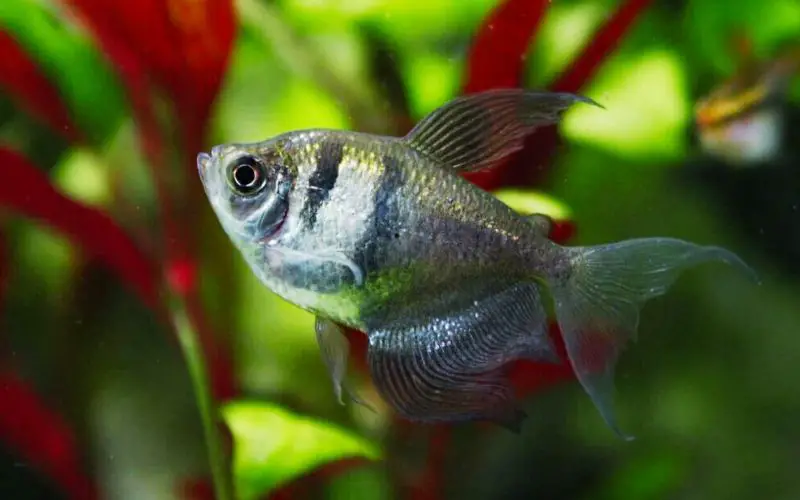
In a well-maintained aquarium setup, a breeding pair of Skirt Tetras can lay hundreds of eggs in a single spawning session. The quantity of eggs produced can vary depending on the age and health of the fish, as well as the conditions of the tank.
Providing a suitable environment with plenty of plants like Java moss will not only encourage breeding but also give the eggs a safe place to develop. Thus, understanding that Black Skirt Tetras lay eggs rather than giving live birth is essential for anyone looking to breed this delightful species.
What Do Black Skirt Tetra Eggs Look Like?
When Black Skirt Tetras lay their eggs, they resemble small, transparent beads. These eggs are typically spherical in shape and measure about one millimeter in diameter.
Their translucent appearance allows aquarists to observe the developing embryos within them. The eggs may appear slightly sticky, which helps them adhere to plants or the bottom of the tank, providing a secure location for incubation.
As the eggs age, they can change from a clear appearance to a more opaque look, indicating that they are fertilized and developing. Keeping the tank well-lit can make it easier to see the eggs, especially if they are scattered among plants.
However, be cautious, as adult tetras may eat the eggs or fry if they feel threatened or if the environment is not optimal. Therefore, understanding what Black Skirt Tetra eggs look like is crucial for successful breeding and ensuring the survival of the next generation.
How Can U Tell If Black Skirt Tetra Laying Eggs?
Identifying the signs that Black widow Tetras are laying eggs involves observing their behavior closely.
During the spawning process, males will often chase females around the tank, displaying their fins and colors to attract their attention.
This behavior can become quite vigorous, as the male attempts to entice the female to lay her eggs. If you notice this chasing behavior, it’s a good indication that spawning may occur soon.
Additionally, a female ready to lay eggs will exhibit a noticeably rounded belly, indicating she has developed eggs. It’s also common to see the pair seeking out areas in the tank with plants, as these locations provide an ideal spawning site.
If you observe these behaviors alongside a more active and social atmosphere in the tank, it is likely that your Black Skirt Tetras are in the process of laying eggs, and you should prepare to check for eggs shortly after.
How Do Black Skirt Tetra Lay Their Eggs?
Black Skirt Tetras spawn by scattering their eggs in a specific pattern throughout the tank. During the spawning ritual, the female will swim near plants or other surfaces, releasing eggs in a single motion while the male follows closely behind to fertilize them.
This process can take several hours, and in a large tank, it is not uncommon for them to lay dozens of eggs in various locations.
To encourage successful egg-laying, it’s essential to maintain optimal water conditions, including slightly acidic water with a pH level between 6.5 and 7.5. Providing a breeding tank with a heater to maintain a stable water temperature and good filtration will support the spawning process.
After the eggs are laid, the adults may become territorial, so it’s wise to separate them from the breeding area to prevent them from eating the eggs. Understanding how Black Skirt Tetras lay their eggs can significantly enhance your breeding success.
How Long Do Tetra Eggs Take to Hatch?
The incubation period for Black Skirt Tetra eggs typically lasts between 24 to 36 hours, depending on the water temperature and quality.
Warmer water conditions can expedite the hatching process, while cooler temperatures may prolong it. During this time, it’s crucial to ensure that the tank’s water remains clean and well-oxygenated to support the developing embryos.
Once the eggs hatch, the newly born fry will initially rely on their yolk sacs for nourishment. After a few days, when they begin to swim freely, it’s essential to start feeding them with appropriate foods such as baby brine shrimp, microworms, or finely crushed flake food.
Providing a varied diet will help promote healthy growth and development. Understanding the hatching process and timeline for Black Skirt Tetra eggs is vital for successfully raising fry and ensuring they thrive in your aquarium.
Do Tetras Lay Unfertilized Eggs?
Indeed, Black Skirt Tetras, like many other fish species, can lay unfertilized eggs. This occurrence is not unusual, especially when conditions are not optimal for successful spawning.
If the male is unable to fertilize the eggs promptly after they are laid, or if the breeding pair is not in sync, these eggs will remain unfertilized and will not develop into fry.
Unfertilized eggs can be distinguished from fertilized ones by their appearance; they may appear cloudy or turn white after a few days, indicating that they are no longer viable.
It’s important to remove these unfertilized eggs from the tank to prevent them from polluting the water and affecting the health of the fry. Understanding that Black Skirt Tetras can lay unfertilized eggs is crucial for maintaining a healthy breeding environment and ensuring the success of future spawns.
Origin and Suggestions for Tank Setup
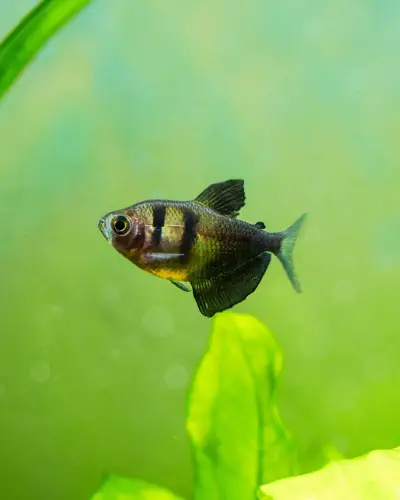
Black Tetra fish originate from the rivers of South America, particularly in Brazil and Paraguay. These fish thrive in natural environments with dense vegetation, where they can hide and spawn safely.
To replicate their natural habitat in your aquarium, it’s advisable to create a planted tank with plenty of hiding spots using plants like Java moss and floating vegetation.
Additionally, maintaining slightly acidic water with a pH of around 6.8 to 7.2 is crucial for their well-being. A larger tank, ideally 40 to 50 gallons, will provide ample space for swimming and reduce territorial disputes. Adequate filtration and lighting will also help maintain water quality.
By understanding the origins of Black Skirt Tetras and following these tank setup suggestions, you can create an ideal environment for breeding and caring for these beautiful fish.
Breeding Process & Tips
Successfully breeding Black Skirt Tetras requires careful attention to their specific needs and behaviors. First and foremost, ensure you have a healthy male and female pair.
It’s often recommended to introduce a small group of tetras into a breeding tank to allow them to choose their mates naturally. Once you have established a pair, provide a breeding tank with soft, well-filtered water and plenty of plants for hiding and spawning.
Feeding the breeding pair a high-quality diet enriched with live foods like brine shrimp and worms can encourage spawning. It’s essential to maintain stable water conditions; changing the water regularly and ensuring the right temperature will promote a successful breeding environment.
By following these breeding tips and understanding the process, you can increase your chances of successfully raising fry and contributing to the vibrant community of Black Tetras in your aquarium.
Conclusion
In conclusion, understanding the reproductive habits of Black Skirt Tetras is vital for any fish enthusiast looking to breed these colorful and hardy tropical fish. From recognizing the signs of egg-laying to ensuring proper tank setup and care for the fry, each step plays a crucial role in successful Black Skirt Tetra Eggs hatching. By fostering an optimal environment and providing appropriate nutrition, you can enjoy the rewarding experience of raising Black Skirt Tetra fry and enhancing the beauty of your aquarium. With patience and dedication, you can create a thriving community tank that showcases these fascinating fish.
Recommended Posts
- Colored White Skirt Tetra Fish 101: Size, Lifespan & More!
- TOP 7 Best Black Skirt Tetra Tank Mates (Experts Advice)
- 3 Tips to Extend Black Skirt Tetra Lifespan in the Fish Tank
- Is My Black Widow Tetra Pregnant or Just Bloated: (Solved)
- Black Tetra Breeding 101: (A Comprehensive Guide)