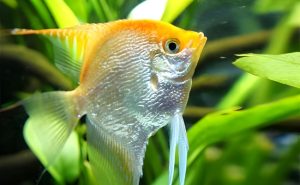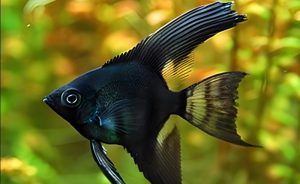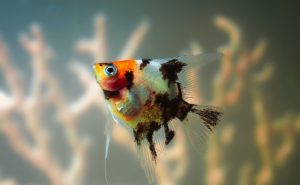
Want to create a breathtaking aquarium with vibrant, healthy angelfish? Keeping these elegant fish thriving requires more than just a tank and food. Are you ready to learn the best angelfish tips for a stunning and healthy aquarium?
A spacious tank, clean water, and a balanced diet are the foundations of angel fish care. Renowned aquarists like Takashi Amano emphasize stable water conditions and proper tank mates for their well-being.
With the right setup, your angelfish can flourish, showing off their graceful beauty for years. But that’s just the beginning! There are essential tips on feeding, breeding, and tank environment that every angelfish keeper should know.
Let’s dive into this ultimate angelfish care guide for keeping these peaceful fish happy and thriving!
Angelfish Care Tips
Angelfish are hardy freshwater fish known for their graceful fins and unique shape. To ensure their well-being, it’s crucial to maintain optimal water conditions in the aquarium.
Regular water changes are necessary to keep the water clean and free from harmful toxins. Additionally, angelfish are omnivorous; therefore, they require a balanced diet that includes high-quality flake food, pellet, live food such as brine shrimp, and occasional treats like bloodworms.
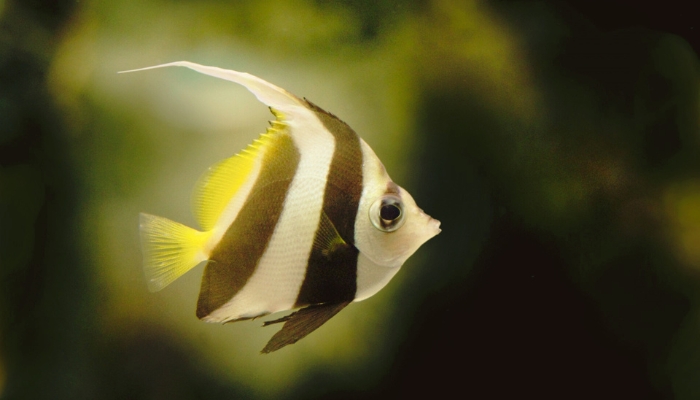
Proper angel fish care also involves monitoring the tank temperature, which should typically be maintained between 76°F to 82°F. By adhering to these care requirements, you can help your angelfish live a long and healthy life.
In addition to water temperature, the size of the tank is critical for successful angelfish care. A 55 gallon tank or larger is recommended for a pair of angelfish to ensure they have enough space to swim and establish territories.
Angelfish can be territorial, especially during breeding, so providing adequate space reduces stress and aggression. It’s also important to check the filtration system regularly to ensure the aquarium water remains clean and well-oxygenated.
Lastly, introducing decorations like driftwood and plants can help create angelfish natural habitat that makes your fish feel secure and comfortable.
Remember: Although angelfish are typically calm, they belong to the cichlidae family and may show aggression towards each other, particularly when trying to form pairs and reproduce.
Appropriate Tank Mates
Choosing the right tank mates is essential for maintaining a harmonious community in your freshwater tank. Adult Angelfish can be territorial and may exhibit aggressive behavior toward small fish, particularly during breeding.
Peaceful species of fish, such as cory catfish and cardinal tetras, can coexist with angelfish, provided they are not too small to be seen as prey.
It’s best to avoid keeping them with aggressive species like betta fish, which may provoke conflicts. When choosing tank mates, always consider the adult size of the fish and their compatibility with angelfish behavior.
Additionally, it’s advisable to keep a mix of bottom-dwelling and mid-water swimming fish to create a balanced ecosystem. Catfish are a good choice as they help keep the bottom of the fish tank clean, scavenging leftover food.
Furthermore, introducing a single angelfish or a pair of angelfish into the community tank can reduce territorial disputes. A well-thought-out selection of smaller fish tank mates not only enhances the aesthetic appeal of your freshwater aquarium but also promotes a healthy and stress-free environment for all species of angelfish.
What Do Angelfish Need to Breed? (Angelfish Breeding Tips)
Breeding angelfish can be a fascinating endeavor, but it requires specific conditions to be successful. To encourage spawning, angelfish need a breeding tank that mimics their natural habitat, complete with appropriate substrate and hiding spots.
A well-planted tank with flat surfaces, such as smooth rocks or broad leaves, provides an ideal place for angelfish to lay their eggs. Additionally, maintaining stable water conditions, including temperature and pH levels, is crucial during the breeding process. Angelfish tend to prefer slightly acidic water, typically around 6.5 to 7.5 pH.
In terms of diet, feeding your angelfish high-quality live food such as brine shrimp or bloodworms can enhance their breeding readiness. A nutritious diet not only promotes healthy growth but also ensures that the parents are physically prepared to care for their offspring.
When a pair of angelfish is ready to breed, they will exhibit specific behaviors like cleaning the spawning surface and swimming closely together. By understanding these breeding tips, you can provide the optimal environment for your angelfish to spawn successfully and care for their baby fish.
Tank Requirements for Breeding Angelfish
For successful breeding of angelfish, specific tank requirements must be met to create an ideal environment. A separate breeding tank is recommended, typically sized at a minimum of 10 gallons to provide enough space for the breeding pair.
The tank should be equipped with a gentle filtration system to avoid disturbing the eggs. Additionally, maintaining a consistent tank temperature between 78°F and 82°F is essential for the breeding process. Proper lighting is also important, as angelfish prefer a well-lit environment that simulates their natural habitat.
In terms of decor, including flat surfaces for spawning is critical. Flat stones or broad-leaved plants serve as excellent spots for angelfish to lay their eggs. Furthermore, ensuring the tank is clean and free from debris will help prevent disease during this crucial time.
Regular water changes are essential to maintain optimal water quality and encourage successful spawning. By fulfilling these tank requirements, you can create a conducive environment for raising angelfish and increase the chances of rearing healthy baby fish.
How Do You Set up an Angelfish Aquarium?
Setting up an angelfish aquarium requires careful planning to ensure the well-being of these stunning tropical fish. Begin with selecting the appropriate tank size; a 55-gallon tank is ideal for a pair of angelfish, providing ample space to swim and establish territories.
Next, decorate the tank with java fern plants, driftwood, and hiding spots to mimic their natural habitat and reduce stress. Choose substrate that is soft and smooth to prevent any injury to their fins, as angelfish are known for their delicate fins.
Once the tank is set up, fill it with dechlorinated water and establish a filtration system to maintain clean and healthy aquarium water. Test the water parameters and adjust them as needed to ensure they match the natural conditions Altum angelfish thrive in.
After everything is in place, let the aquarium cycle for a few weeks before introducing your angelfish. This process allows beneficial bacteria to form, helping to break down waste and maintain water quality. By following these steps, you can create a stunning and healthy aquarium that showcases your angelfish beautifully.
Angelfish Tips Conclusion
In conclusion, keeping angelfish in a stunning and healthy aquarium requires attention to detail and a commitment to their care. By following the tips outlined in this angelfish guide, you can provide the right environment, diet, and tank mates for your freshwater angelfish.
Remember that regular maintenance, including water changes and monitoring water conditions, plays a crucial role in their health and longevity. Whether you’re breeding angelfish or simply enjoying their beauty, understanding their care requirements will enhance your aquarium hobby experience.
Ultimately, the journey of keeping angelfish can be incredibly rewarding. With the right knowledge and preparation, you can create a flourishing aquatic environment that not only showcases your fish but also supports their overall well-being.
Enjoy the process of discovering the fascinating behaviors of cichlid angelfish and take pride in the vibrant, healthy aquarium you’ve created. Your dedication to angelfish care will yield a stunning display of nature’s beauty right in your home.
Recommended posts
- Top 10 Tank Mates for Angelfish: Safe and Peaceful Choices
- How Big Can Angelfish Get? Discover Their Maximum Size & Growth
- How Long Do Angelfish Live: (Care Tips for Longevity)
- Angelfish Water Temperature: The Ideal Range & Aquarium Tips
- Breeding Angelfish: Angelfish Eggs Care and Hatching Tips
- Will Angelfish Eat Shrimp: Risks, Tips & Best Practices
- What Fish Can Live with Angelfish: Best Compatible Species
- Top 5 Common Angelfish Diseases & How to Cure Them Fast
- Saltwater Fish Angelfish Species: Colors, Sizes & Compatibility
- Best Angelfish Plants for Happy Fish – Aquarium Care Tips