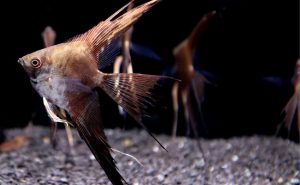
Have you ever wondered if angelfish will eat other fish in your aquarium? Will Angelfish Eat Other Fish These elegant freshwater fish are known for their beauty, but their behavior can surprise many fish keepers. Before adding them to a community tank, it’s important to understand their feeding habits and territorial nature.
Angelfish can eat smaller fish, especially if they fit in their mouths. They are semi-aggressive and may attack weaker or slow-moving tankmates.
To keep a peaceful aquarium, choosing the right companions and providing enough space is essential.
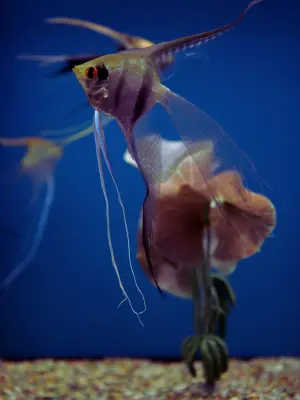
But which fish are safe to keep with angelfish? And how can you prevent aggression in a mixed tank? Let’s dive into expert recommendations and practical tips to help you maintain a thriving aquarium!
Will Angelfish Eat Other Fish?
Do angel fish eat other fish? Angelfish, being a type of cichlid, have a natural inclination towards aggression, particularly when it comes to smaller fish. They are known to eat anything that fits in their mouth, which includes smaller species like neon tetras and cardinal tetras.
If you introduce fish that are significantly smaller than the angelfish, there is a high chance that they may become a snack. In a well-fed environment, angelfish can exhibit less aggressive behavior, yet their territorial nature can still lead to them chasing or attacking smaller fish, especially when they feel that their space is being encroached upon.
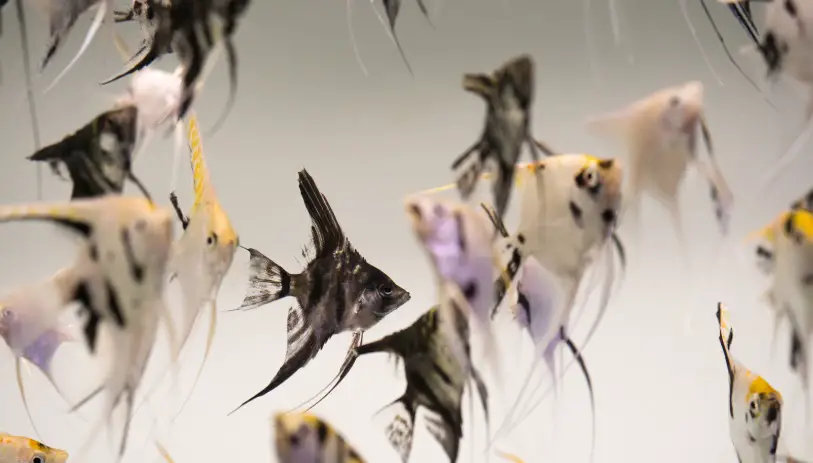
This behavior is not uncommon and can happen even with species that are typically regarded as peaceful. Angelfish can be quite territorial, especially during breeding periods, where they may attack any fish that comes too close to their spawning area.
Therefore, when setting up an aquarium with angelfish, it’s essential to consider the size and species of tank mates. Observing the interactions within your aquarium will give you a clearer picture of how likely angelfish are to eat other small fish and which combinations work best for a peaceful aquatic environment.
8 Reasons Angelfish Attacking Every Other Fish
The aggression exhibited by angelfish can be attributed to several factors. First, their instinctual behavior as cichlids leads them to be territorial creatures. They tend to protect their space vigorously, especially in a confined tank environment.
If smaller fish are introduced into their territory or if they perceive them as a threat, angelfish may attack. Additionally, freshwater angels have a natural hunting instinct, which can make them more likely to view smaller fish as potential food.
This is particularly evident when they are hungry or not adequately fed, prompting them to chase and eat smaller fish. Angelfish can become aggressive and attack other fish for several reasons, including:
- Territorial Behavior – Angelfish can be highly territorial, especially in smaller tanks where space is limited. They may attack other fish that enter their territory.
- Breeding Aggression – When angelfish are preparing to breed or protecting their eggs, they become extremely aggressive and chase away other fish.
- Overcrowding – A crowded aquarium increases stress and competition for space, leading to aggressive behavior.
- Tank Mates – Angelfish may attack smaller, slow-moving, or long-finned fish, mistaking them for food or rivals. Some species may also provoke aggression.
- Hunger – If not fed properly, angelfish may become aggressive and attack other fish, mistaking them for food.
- Hierarchy & Dominance – Like many cichlids, angelfish establish a social hierarchy. The dominant fish may bully weaker or new fish in the tank.
- Incompatible Environment – Poor water conditions, incorrect temperature, or inadequate hiding spots can stress angelfish, making them more aggressive.
- Illness or Stress – Sick or stressed angelfish may become irritable and lash out at other fish.
To reduce aggression, ensure a spacious tank, provide hiding spots, keep compatible tank mates, and maintain good water conditions.
How to Stop Angelfish from Eating Other Fish?
To minimize the risk of angelfish eating other fish, consider implementing several strategies. First, ensure that all fish introduced into the tank are of comparable size.
Choosing species that are larger than the mouth of angelfish can significantly reduce the chance of them being eaten.
Additionally, providing ample hiding spots using plants and decorations can help smaller fish feel safe and secure. This allows them to escape angelfish aggression and reduces the likelihood of them being chased or attacked.
Commonly Asked Questions about Why Do Angel Fish Eat Other Fish (FAQs)
Will angelfish eat smaller fish like neons?
Yes, angelfish may eat smaller fish such as neons. If the neons are small enough, the angelfish might see them as food, especially if they are hungry.
How large do angelfish grow?
Angelfish can grow quite large, typically reaching sizes of 6 inches or more. It’s important to consider their size when selecting tank mates.
Can I keep angelfish in a freshwater tank with other schooling fish?
Yes, you can keep angelfish with other schooling fish, but you need to ensure that the other species are huge enough not to be considered prey. It’s as simple as choosing compatible tank mates.
What happens if I assume that angelfish won’t eat similar-sized fish?
Assuming that angelfish won’t eat similar-sized fish can be risky. Even though they may seem like non-predators, if they are well fed and feel threatened, they could still target fish of a similar size.
Is it safe to keep angelfish with large fish?
Yes, keeping angelfish with larger fish can work, provided the larger fish are not aggressive. This combination can lead to a harmonious aquarium environment if managed well.
How do I notice if my angelfish are aggressive towards other fish?
You can notice aggression in angelfish through behavior such as chasing or nipping at other fish. Also, monitoring their interactions can help you answer the questions about compatibility.
What should I do if my angelfish are not getting along with other fish?
If your angelfish are not getting along with other fish, consider separating them into another tank. A separate account allows you to monitor their behavior and see the results of this action.
Where can I find articles and discussion about angelfish compatibility?
You can find articles and discussion about angelfish compatibility on platforms like Quora and dedicated aquarium forums, which cover a lot of related topics.
Are there any video resources to help me understand angelfish behavior better?
Yes, there are many video resources available that explain angelfish behavior and compatibility. These videos can provide good news and insights on managing your aquarium effectively.
Conclusion
In conclusion, while angelfish can be beautiful and captivating additions to an aquarium, they do have the potential to eat other small fish, particularly those smaller than themselves. Their natural behavior as territorial cichlids can lead to aggression, especially during breeding seasons or when food is scarce. However, by understanding their needs and behaviors, aquarists can create a safer environment for both angelfish and their tank mates. Choosing appropriate fish sizes, maintaining a balanced diet, and providing ample space and hiding spots can significantly minimize aggression and create a harmonious aquarium. Ultimately, with the right precautions and knowledge, you can enjoy the beauty of angelfish without the worry of them eating other fish.
Top Posts
- What Fish Can Live with Angelfish: Best Compatible Species
- Glofish and Angelfish: Can They Live Together in One Tank?
- Keeping Angelfish in a Community Aquarium: Best Tips & Tankmates
- Do Angelfish Bite? Myths, Facts & How to Keep Them Peaceful
- What Do Angelfish Eat? The Best Angelfish Food Choices
- How Often to Feed Angelfish: Best Feeding Schedule & Tips