What fish can live with angelfish? Choosing the right tank mates is crucial for their health and harmony. Do you know which species can peacefully share a tank with these elegant freshwater fish?
Tetras, Corydoras catfish, bristlenose plecos, and gouramis are among the best companions for angelfish. They share similar water conditions and temperaments, reducing conflicts in the tank. Avoid aggressive or fin-nipping species like tiger barbs and bettas.
But these are just a few of the best choices. Many other fish can coexist with angelfish without stress or aggression. Let’s explore What fish can go with angelfish and expert-backed recommendations to create a thriving aquatic environment.
Understanding Angelfish Behavior in a Community Aquarium
Understanding freshwater angelfish behavior is key to successfully housing them in a community aquarium. As cichlids, angelfish tend to exhibit territorial tendencies, especially as they mature into adult angelfish.
When they are kept in groups, they may establish a hierarchy that can lead to aggression if not managed properly.
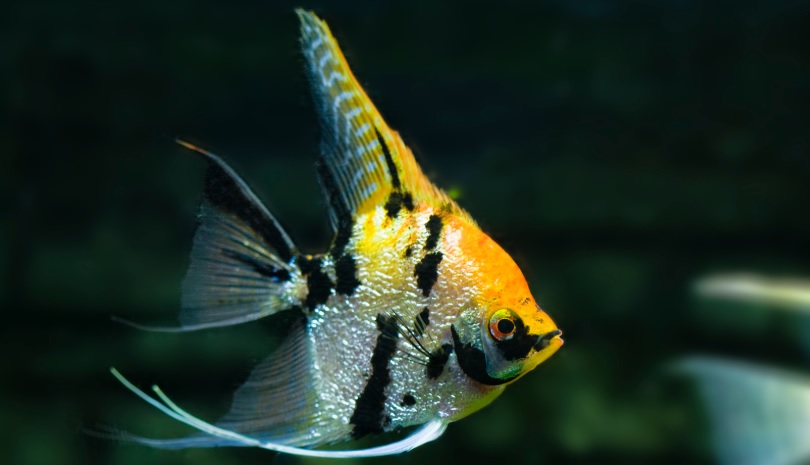
Juvenile angelfish are generally more sociable and can coexist with various community fish, but as they grow, they may become more selective about their tank mates. It’s vital to observe their behavior closely to ensure that the aquarium’s dynamics remain peaceful.
Moreover, angelfish may also display breeding behaviors, which can further complicate their interactions with tankmates. During selective breeding, they can become particularly aggressive, especially if they lay eggs on surfaces in the aquarium.
Thus, understanding these behavioral nuances is essential. Providing ample space, hiding spots, and suitable substrate can help reduce territorial disputes and encourage a more peaceful atmosphere in the angelfish tank.
What Fish Can Live with Angelfish?
When selecting tank mates for angelfish, it’s essential to choose fish that can thrive under similar water parameters and social conditions.
Some excellent choices include tetras, such as black skirt tetras and neon tetras, which are schooling fish that add vibrant colors and movement to the aquarium.
These smaller fish typically swim in the upper levels of the tank and can coexist peacefully with angelfish, provided they are not too small to avoid becoming targets.
Other compatible species include mollies and guppies, which can adapt well to community tanks and often share a similar diet.
Additionally, bottom-dwelling fish like plecos and certain catfish species can also make good tank mates. Plecos are known for their algae-eating abilities, helping to keep the tank clean.
It’s important to introduce these species carefully, as some may display territorial behaviors of their own. By ensuring that the tank is spacious enough and has plenty of hiding spots, you can create a balanced environment where angelfish and their companions can thrive together.
What Are the Best Tank Mates for Angelfish?
The best tank mates for angelfish are those that can comfortably share the same water conditions while maintaining a peaceful coexistence. In addition to the previously mentioned tetras and mollies, fish like rummy nose tetras and zebra danios can also be compatible.
Rummy nose tetras are excellent for community tanks, as they school together and add visual interest. Zebra danios, with their energetic nature, can occupy different levels of the tank and keep the environment lively without provoking aggression from angelfish.
Moreover, adding a few dwarf cichlids can also work well, as they tend to have similar temperaments and can live harmoniously with angelfish, provided the tank is spacious.
It’s crucial to keep in mind that, while these species generally do well with angelfish, individual temperament can vary, so monitoring their interactions is essential. Ensuring that the tank mates are of appropriate size and not overly aggressive will help create a thriving angelfish tank that is both beautiful and peaceful fish species.
Care Guide for Setting Up an Angelfish Aquarium
Setting up an angelfish aquarium requires careful consideration of various factors to create a suitable environment. First, the aquarium should be spacious, with at least a 20-gallon capacity, as angelfish can grow quite large and need room to swim.
The tank should also have a secure lid, as angelfish are known to jump. A sandy substrate or smooth gravel is ideal, as it allows for easy cleaning and is gentle on their long fins. Additionally, incorporating driftwood and plants can provide hiding spots and reduce stress levels.
Water parameters are another crucial aspect of care for an angelfish aquarium. Maintaining a temperature range of 76-82°F and a pH level between 6.5 and 7.5 is vital for the health of angelfish and their tankmates.
Regular water changes and filtration are also important to keep the tank clean and free of toxins. Adding live plants can help maintain water quality while providing a natural environment for the fish.
By following these guidelines, you can create a thriving community aquarium that supports the well-being of angelfish and their companions.
What Fish Species Should Be Avoided with Angelfish?
While many species can coexist peacefully with angelfish, there are certain fish species that should be avoided due to their aggressive behavior or size. Betta fish, for instance, are territorial and can become aggressive towards angelfish, especially in smaller tanks.
Additionally, keeping small fish like guppies can pose a risk, as angelfish may see them as prey, particularly when they are juveniles. Other fish like larger cichlids can also disturb the peace in an angelfish tank, leading to conflicts.
It’s also wise to avoid overly aggressive or fin-nipping species, as they can cause significant stress and injury to angelfish. Fish like barbs, which are known for their nipping behavior, could be detrimental to the delicate fins of angelfish.
In summary, when selecting tankmates for angelfish, ensure they are compatible in size, temperament, and behavior to maintain a harmonious aquarium environment for your angelfish.
How to Introduce New Fish into Your Angelfish Tank?
Introducing new fish into your angelfish tank requires a careful and gradual approach to minimize stress and aggression. Start by quarantining new fish for at least two weeks to observe for any signs of illness before introducing them into the main tank.
This step is crucial for maintaining the health of your existing community fish. Once you are confident that the new aquarium fish are healthy, you can begin the acclimation process by floating the sealed bag in the aquarium for about 15-20 minutes to equalize the temperature.
After that, gradually mix small amounts of tank water into the bag over another 30 minutes to help the new fish adjust to the water parameters.
Finally, release the new fish gently into the aquarium, ideally during a time when the angelfish are less active, such as in the evening. Monitoring their interactions closely in the days following the introduction will help determine if any adjustments are necessary for the best tank dynamics.
Feeding and Care Requirements for Angelfish and Their Tank Mates
Feeding angelfish and their tankmates requires a balanced diet to ensure optimal health and vibrancy. Angelfish are omnivorous and thrive on a varied diet that includes high-quality pellets, flakes, and live or frozen food such as brine shrimp and bloodworms.
It’s essential to feed them small amounts multiple times a day rather than one large feeding, as this mimics their natural feeding behavior and helps prevent overfeeding and water quality issues. Supplementing their diet with vegetables like blanched spinach or zucchini can also provide essential nutrients.
Tank mates should be offered similar foods to ensure they receive adequate nutrition as well. It’s crucial to observe feeding behaviors, as some aquarium fish may be more dominant and could outcompete others for food.
Offering a range of food types will help ensure all species in the aquarium thrive. Regular maintenance, including water changes and monitoring water parameters, is also vital for maintaining a healthy environment for both angelfish and their companions, promoting a vibrant community aquarium.
Conclusion
So, what fish can angelfish live with? In conclusion, creating a successful angelfish aquarium requires careful planning and consideration of compatible species. Understanding angelfish behavior, selecting appropriate tank mates, and providing the right care can lead to a thriving community aquarium. By avoiding aggressive species and ensuring a suitable environment, you can enjoy the beauty and grace of angelfish alongside their compatible companions. With attention to detail in feeding, care, and introduction processes, your freshwater angelfish tank can flourish, showcasing the vibrant colors and patterns of these remarkable freshwater fish in the aquarium hobby.
Recommended posts
- Will Angelfish Eat Shrimp: Risks, Tips & Best Practices
- Are Freshwater Angelfish Aggressive: Tips for a Peaceful Aquarium Setup
- Bad Tank Mates for Angelfish: (Worst Tankmates to Avoid)
- Top 10 Best Tank Mates for Angelfish: Safe and Peaceful Choices
- Angelfish Tank Size Guide – Ideal Space for Your Fish
- What Do Angelfish Eat? The Best Angelfish Food Choices
- How Many Angelfish Should Be Kept Together in a Tank (Ideal Group)
- Are Angelfish Schooling Fish: (Do They Swim in Groups!)
- Can Angelfish Live with Bettas? (Compatibility & Tank Setup)
- Platinum Angelfish Care: Tank Setup, Diet & Breeding Tips
- Can Angelfish Live Alone with other Fish? (Pros & Cons Explained)
- Will Angelfish Eat Other Fish: (What You Need to Know)
- Will Angelfish Fins Grow Back: (Recovery & Care Tips)