Angelfish swimming sideways? It’s a worrying sight for any fish owner. Could it be a minor issue or a serious health concern? Understanding the signs, causes, and solutions can help you take quick action.
Swim bladder disorder is the most common reason for this unusual behavior. Poor diet, infections, or water quality issues often lead to buoyancy problems. Identifying the cause early can save your angelfish from distress and long-term harm.
But there’s more to it than just swim bladder issues. Experts like Dr. Roy Yangon, an aquatic veterinarian, emphasize the importance of tank conditions and nutrition. Let’s dive into the details to ensure your angelfish stays healthy and swims normally!
Reasons Your Angelfish Swimming Sideways
There are several reasons why your angel fish swimming sideways, and understanding these can help you address the problem. One common cause is a malfunctioning swim bladder, which is essential for buoyancy.
When the swim bladder experiences pressure from constipation or overeating, it can lead to swim bladder disease, causing the fish to swim in abnormal positions.
Additionally, water parameters such as temperature, pH, and ammonia levels can affect your pet fish health. Frequent water changes and maintaining optimal conditions in your aquarium can prevent many issues that lead to swimming sideways.
Another reason could be bacterial infections, which can affect the swim bladder and lead to bloating issues. If your angelfish gulps air or shows signs of bloating, it may indicate that too much air has been swallowed, further complicating the swim bladder issue.
It’s crucial to monitor how you feed your fish; overfeeding them pellets can lead to constipation, making it necessary to include peas in their diet to help alleviate the problem. Addressing these signs early can prevent further complications and keep your angelfish healthy.
How to Know If Angel Fish Is Stressed in Aquarium?
Recognizing if your angelfish is stressed is vital for their well-being. Signs of stress in aquarium fish can include erratic swimming patterns, hiding excessively, or clamped fins.
Stress can often stem from poor water quality, aggressive tank mates, or sudden changes in their environment, such as water temperature fluctuations. Regularly checking your water parameters and ensuring a stable environment can significantly reduce stress levels in your fish.
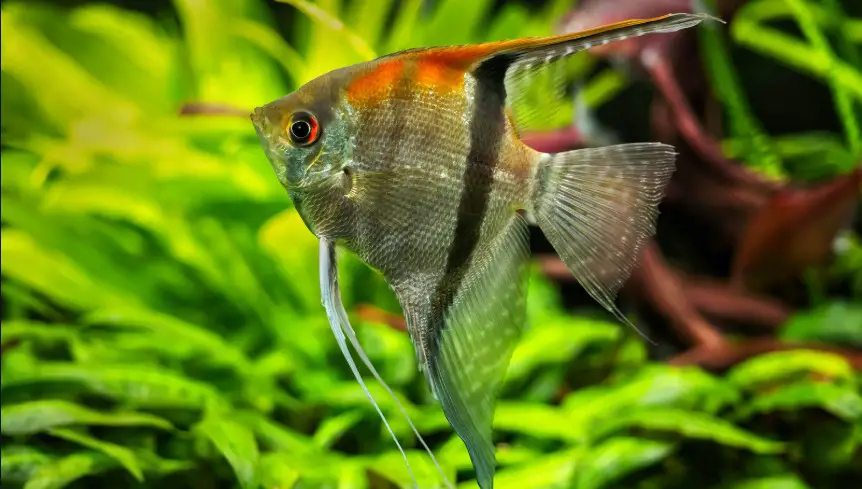
If your angelfish is swimming sideways, it could be a symptom of deeper issues related to stress or health, which requires immediate attention.
Additionally, if you notice your fish gulping for air at the surface or behaving lethargically, these can be indicators of distress. Monitoring feeding habits is also essential; if your angelfish is not eating or is hesitant to feed, it might be a sign of stress.
Hand feeding can sometimes help in these situations, allowing you to observe their reaction and encourage normal eating behavior. Keeping a close eye on your angelfish and their social interactions can provide valuable insights into their stress levels and overall health.
How Do You Fix Swim Bladder Disease in Angelfish?
Fixing swim bladder disease in angelfish involves a combination of dietary adjustments and environmental modifications. First, consider incorporating peas into your fish’s diet, as they are known to help with digestion and alleviate constipation.
This change can be beneficial when your fish are experiencing swim bladder problems, as it can help reduce bloating and improve buoyancy. Additionally, you should monitor their feeding habits; avoid overfeeding and ensure that the pellets provided are appropriate for your angelfish.
Furthermore, maintaining stable water conditions is crucial in treating swim bladder disease. Regular water changes can help keep your aquarium clean and reduce the risk of bacterial infections that might affect the swim bladder.
If symptoms persist, you may want to consider using antibiotics to treat any potential infections. However, it’s essential to consult with an experienced aquarist or veterinarian before administering any medication to ensure the safety and health of your fish.
How Do You Treat Fish Swimming Sideways?
Treating fish that are swimming sideways requires a comprehensive approach focused on both diet and environmental conditions. Start by checking your water parameters, as poor water quality can contribute to swim bladder issues.
If necessary, perform a water change to improve the overall health of your aquarium. Alongside this, consider adjusting the feeding routine; offer smaller meals and incorporate high-fiber foods like peas to help alleviate constipation and support healthy digestion. This can be crucial for fish suffering from swim bladder disorders.
In addition to dietary changes, observe your fish closely for any signs of infection or stress that could be exacerbating their condition. If you suspect a bacterial infection, using treatment options such as antibiotics may be necessary.
It’s also advisable to separate any aggressive tank mates, as stress from bullying can lead to erratic swimming behavior. By addressing these factors, you can create a safer and more supportive environment for your angelfish to recover from swim bladder issues.
Conclusion
In conclusion, if your angelfish swimming sideways, it is crucial to identify the underlying causes and take proactive measures to ensure their health. Factors like swim bladder disorders, stress, and poor water conditions can all contribute to this concerning behavior. By monitoring your aquarium’s environment, providing a balanced diet, and addressing any signs of distress, you can help your angelfish return to their normal swimming habits. Remember that a happy fish is a healthy fish, so always prioritize your pet’s well-being for a thriving aquarium experience.
Recommended posts
- Best Angelfish Water Parameters for a Healthy Aquarium Setup
- How Long Do Angelfish Live for: (Care Tips for Longevity)
- The Average Life Expectancy of Angelfish & How to Improve It