Setting up the perfect aquarium for your angelfish starts with one key factor—water quality. But what are the perfect angelfish water parameters for a healthy aquarium setup? If you want your angelfish to thrive, you need to get the temperature, pH, and water hardness just right.
The ideal water parameters for angelfish include a temperature of 76-82°F, a pH level of 6.5-7.5, and soft to moderately hard water (3-8 dGH). Clean, well-oxygenated water with minimal ammonia and nitrate levels is essential.
According to expert aquarist Heiko Bleher, maintaining stable conditions mimicking their natural Amazonian habitat is the key to their health.
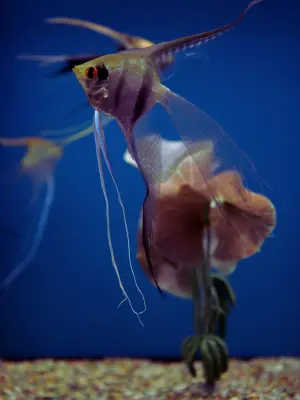
Getting these parameters right ensures vibrant colors, active behavior, and a long lifespan for your angelfish. But what happens if the water conditions fluctuate?
Let’s dive deeper into the specifics of angelfish care and how to maintain the perfect water balance in your aquarium.
What Water Parameters Do Angelfish Like?
Angelfish prefer water that is warm, with temperatures ideally ranging from 76°F to 82°F (24°C to 28°C). Additionally, they thrive in slightly acidic to neutral water, with a pH level between 6.5 and 7.5.
The hardness of the water should be kept between 3 to 8 dGH, making it essential to monitor these parameters regularly.
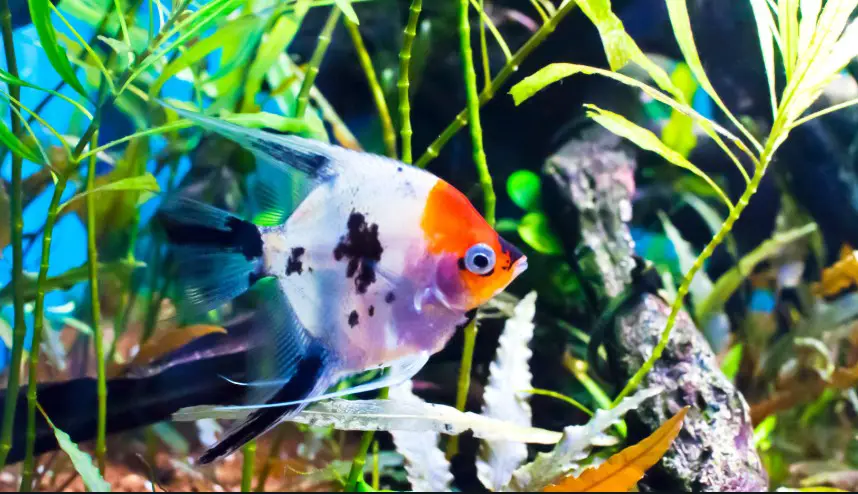
Maintaining stable water conditions is vital for the overall health of angelfish, as fluctuations can lead to stress and disease. Ensuring that your aquarium water aligns with these preferences will contribute significantly to the well-being of your angelfish.
Moreover, it is important to note that the quality of aquarium water can directly impact the behavior of your wild caught angelfish. Healthy water conditions will allow them to exhibit natural behaviors, such as foraging along the bottom for worms and small crustaceans, or swimming gracefully throughout the tank.
By providing ideal angel fish water parameters, you enhance not only their physical health but also their overall happiness, making your aquarium a vibrant and lively environment.
Do Angelfish Like Hard or Soft Water?
Angelfish are relatively adaptable when it comes to water hardness, but they generally prefer soft to moderately hard water. Soft water, with a lower mineral content, mimics their natural habitat, which can lead to healthier and more vibrant fish.
However, adult angelfish can also tolerate harder water, as long as it is within the acceptable ranges. It is essential to gradually acclimate any new fish to the water conditions of your tank, especially when introducing species of fish like betta fish or tetra, which may have different preferences.
When setting up your angelfish aquarium, testing the water hardness regularly is a crucial part of angelfish care. Utilizing aquarium test kits can help you maintain the desired hardness levels.
If your tap water is too hard for your angelfish, consider using reverse osmosis (RO) water or mixing it with distilled water to achieve the right balance. Ultimately, ensuring that your angelfish thrive in suitable water conditions will lead to a harmonious aquarium environment, with all species coexisting peacefully.
Ideal Freshwater Angelfish Water Parameters
For optimal freshwater angelfish care, maintaining the following angelfish breeding water parameters is essential: a temperature range of 76°F to 82°F, a pH level between 6.5 and 7.5, and a water hardness of 3 to 8 dGH.
These parameters create a conducive environment for angelfish and help reduce stress levels, allowing them to thrive. Regular testing of the aquarium water is crucial, as it helps you identify any fluctuations that may affect your fish’s health.
Additionally, performing regular water changes will help maintain stable water conditions and remove any toxins that may accumulate over time.
When planning your aquarium setup, it is also beneficial to consider the tank mates that will coexist with your angelfish. Peaceful fish, such as certain species of catfish and smaller fish, can create a harmonious environment.
However, it is essential to avoid aggressive tank mates that might stress or harm your angelfish. By carefully selecting compatible species and adhering to ideal pterophyllum altum angelfish water parameters, you can create a thriving ecosystem that showcases the beauty and grace of angelfish.
Are Angelfish Sensitive to Water Changes?
Yes, angelfish are quite sensitive to sudden water changes, which can lead to stress and health issues. It is advisable to perform gradual water changes to minimize their exposure to fluctuations in water temperature and chemistry.

A common recommendation is to change about 10-20% of the water weekly, allowing the fish to acclimate without significant disruption to their environment. Additionally, using a water conditioner can help neutralize harmful chemicals commonly found in tap water, ensuring a safer transition for your angelfish.
Understanding the importance of stable water conditions is paramount in angelfish care. When introducing new fish or making significant adjustments to the aquarium setup, be sure to acclimate them slowly to prevent shock.
This method not only benefits your angelfish but also other species in the tank, such as betta fish or tetra, which may have different sensitivities to water parameters. By prioritizing gradual changes, you can foster a stable and healthy aquarium environment for your angelfish and their tank mates.
Do Angelfish Like Heavily Planted Tanks?
Yes, angelfish thrive in heavily planted tanks as they provide essential hiding spots and create a natural environment that mimics their native habitats.
Live plants not only enhance the aesthetic appeal of the aquarium but also contribute to water quality by absorbing nitrates and producing oxygen.
Suitable plants for angelfish tanks include Amazon swords, java ferns, and Anubias, which offer shelter and foraging opportunities for your fish. These aquatic plants can also help reduce stress levels in angelfish, leading to healthier and more active fish.
Additionally, providing a well-planted aquarium can benefit the overall ecosystem of your tank. The plants can serve as a refuge for smaller fish and fry, helping to promote a balanced environment where various species can coexist.
Moreover, densely planted tanks can help establish a natural food, allowing your cichlid fish to exhibit natural behaviors, such as foraging for worms and small crustaceans. By creating a lush environment, you not only improve the living conditions for your angelfish but also enhance the overall beauty and vitality of your aquarium.
Commonly Asked Questions about Water Parameters for Angelfish (FAQs)
What are the ideal water parameters for an angelfish aquarium?
The ideal water parameters for an angelfish aquarium include a temperature between 75°F to 82°F, pH level of 6.8 to 7.8, and hardness of 5 to 10 dGH. Maintaining these parameters ensures healthy angelfish.
Can angelfish be kept with other fish species?
Yes, angelfish can be kept with other fish species, but it’s crucial to choose compatible tank mates. Avoid any fish with cloudy or damaged fins, as angelfish are sensitive to stress and aggression.
What do angelfish need in their diet?
Angelfish need a varied diet that includes high-quality flake food, brine shrimp, frozen foods and other protein-rich foods. Feed your angelfish at the surface to ensure they get sufficient nutrition.
Is it better to keep a single angelfish or a pair?
Keeping a single angelfish is often easier, especially for beginners. However, adult angelfish will pair up if they feel comfortable in the aquarium, making it possible to keep a pair if the tank is appropriately sized.
What tank size is recommended for angelfish?
An appropriate tank for angelfish should be at least 20 gallons for one angelfish or a pair. Larger tanks are preferable, especially if you plan to include tank mates.
Are angelfish easy to care for?
Angelfish are generally considered easy to care for as long as their water parameters are maintained, and they are fed properly. They are hardy fish but require attention to their environment for optimal health.
What types of angelfish are available for aquarists?
There are several types of angelfish, including the common freshwater angelfish and the marine angelfish. Each species has specific care requirements, so it’s essential to research before setting up an angelfish aquarium.
How can I ensure my angelfish remain healthy?
To ensure healthy angelfish, maintain stable water parameters, provide a balanced diet, and regularly clean the tank. It’s also important to introduce any new fish to a quarantined fish’s tank before adding them to the main aquarium.
What should I avoid when setting up an angelfish aquarium?
When setting up an angelfish aquarium, avoid overcrowding the tank and keeping aggressive or overly small fish that may stress the angelfish. Ensure all tank mates are compatible and that the tank environment is suitable for the angelfish species.
Conclusion
In conclusion, understanding the best water parameters for your angelfish is fundamental to their health and happiness. Providing stable tank temperatures, suitable pH levels, and appropriate hardness ensures a thriving environment for these beautiful freshwater fish. Remember that angelfish are sensitive to water changes, so gradual adjustments are key to preventing stress. Moreover, a heavily planted tank can enhance their living conditions, offering shelter and promoting natural behaviors. By following these guidelines, you can create a stunning angelfish aquarium that showcases their beauty while ensuring their well-being.
Ultimately, maintaining ideal water parameters and providing the right care will result in a vibrant aquarium. Monitoring water conditions regularly, selecting compatible tank mates, and ensuring a well-planted tank will create a harmonious habitat for your angelfish and other aquarium fish. As you embark on your aquarium hobby, remember that proper angelfish care guide is not only rewarding but also a fulfilling experience that brings joy to your life and enhances your home. With dedication and attention to detail, your angelfish will thrive, creating a beautiful centerpiece for your living space.
Recommended posts
- Angelfish Tank Size Guide – Ideal Space for Your Fish
- Average Life Expectancy of Angelfish & How to Improve
- Best Angelfish Water Temperature for Healthy Growth
- How Long Do Angelfish Live for: (Care Tips for Longevity)
- Angelfish Swimming Sideways? Signs, Causes, and How to Help!
- How Many Angel fish Should Be Kept Together (Ideal Group)
- Angelfish pH Levels: Best Water Conditions for Healthy Fish