Do goldfish need a friend to stay healthy and happy? Goldfish do not always need a friend to survive, but many benefit from having at least one compatible companion.
A single goldfish can live comfortably in a properly sized, cycled tank with excellent water quality, while a second goldfish may encourage more natural activity and social behavior.
If you are wondering, “Do goldfish need a friend?” the honest answer is: not necessarily, but a suitable friend can improve their daily life when your aquarium has enough space and filtration.
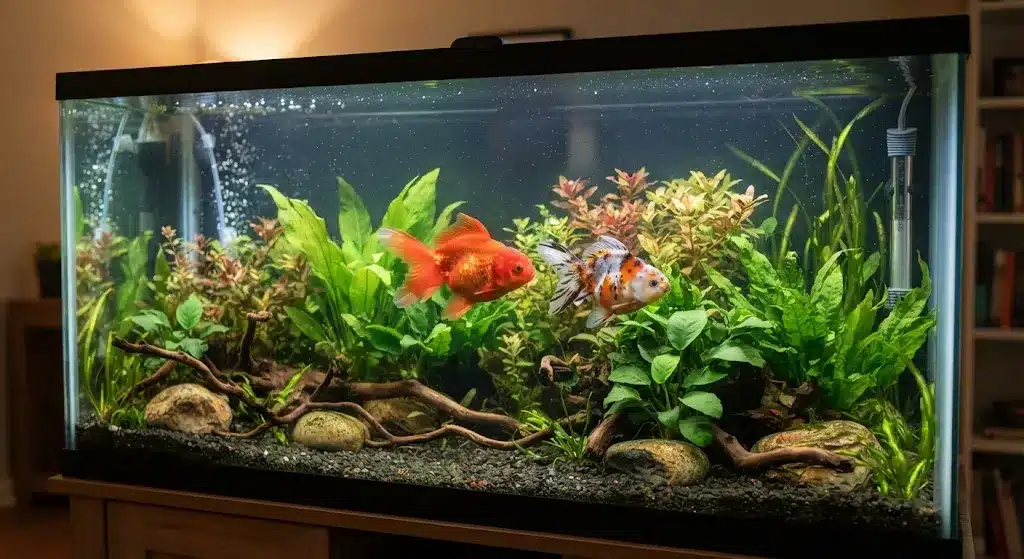
Goldfish are social animals, yet individual temperament, tank size, and water quality matter more than simply adding another fish.
Do Goldfish Need a Friend to Be Happy?
Do goldfish need a companion? A pet goldfish does not need friends in the same way a dog needs a canine companion. The RSPCA states that goldfish can be kept on their own, so a single fish is not automatically unhappy or unhealthy.
That said, goldfish are social and often interact with other goldfish. Keeping at least two in a large enough aquarium can provide companionship and promote activity, which may support better welfare.
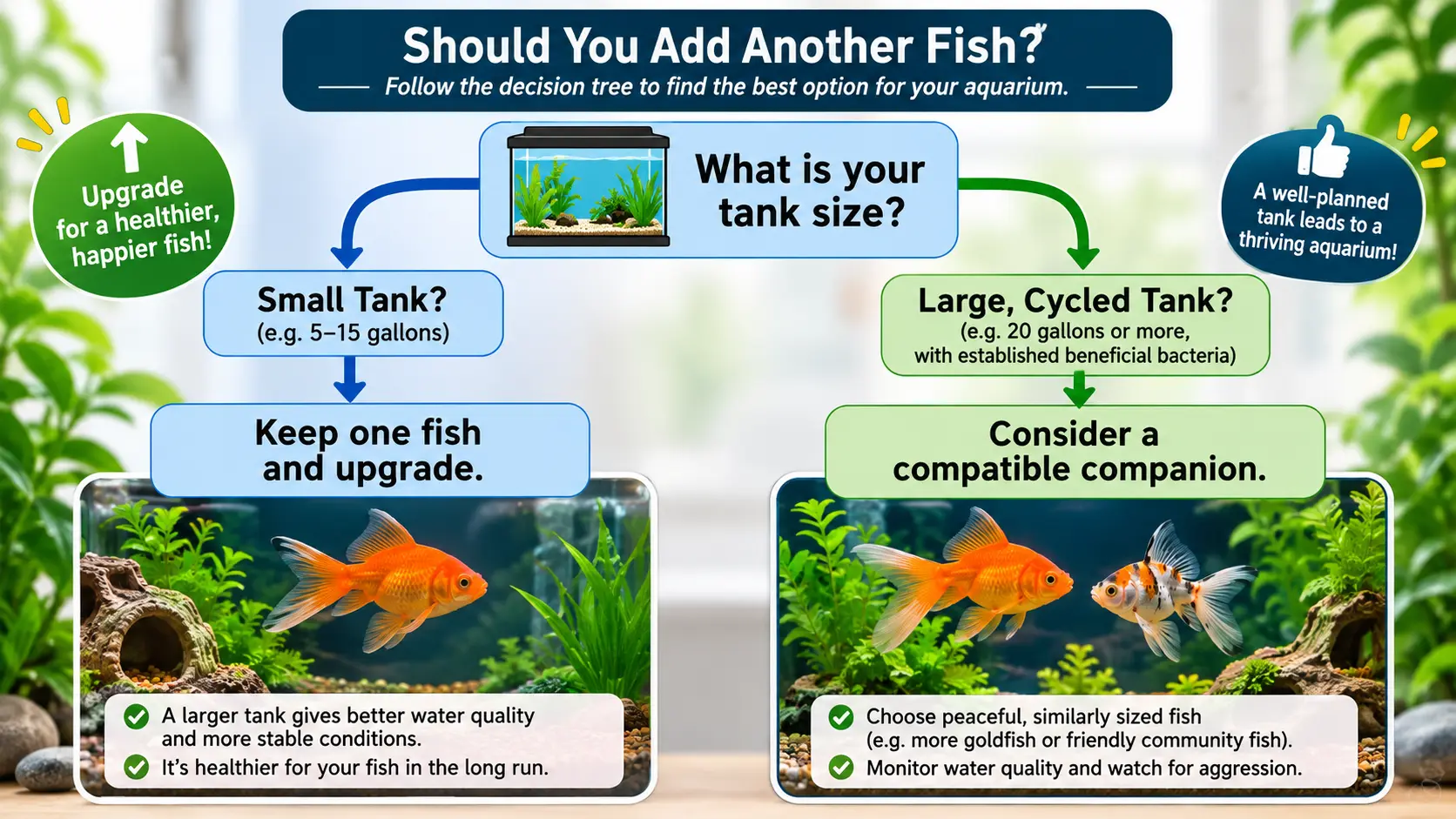
The best choice depends on your current tank:
| Situation | Best choice |
|---|---|
| Small tank or bowl | Keep one goldfish and upgrade the tank first |
| Large, cycled tank with strong filtration | Consider a compatible second goldfish |
| Tank already near capacity | Do not add more fish |
| Fast common goldfish with a slow fancy goldfish | Avoid mixing them; use a separate tank if needed |
| Tank with tropical fish | Do not add a goldfish; temperature needs differ |
A goldfish needs clean water, stable conditions, room to swim, and a filter rated for its waste load before it needs another fish.
Do Goldfish Get Lonely When They Live Alone?
Goldfish may not experience loneliness exactly like humans or mammals do. They do not need constant company to stay alive, and the RSPCA confirms that goldfish do not need the company of other fish.
However, goldfish are intelligent and social animals. They can recognize their human caregivers and may interact with people, especially around feeding time.
So, do goldfish get lonely? Possibly in the sense that a single fish may have fewer opportunities to display natural behaviors such as following, exploring, and interacting with another fish. But a lonely goldfish is not the same as a neglected goldfish. A single goldfish in a large, enriched, well-maintained aquarium can live a good life.
Important: Do not add a friend just because you feel your fish looks bored. First make sure the tank is large enough, the water is safe, and the filter can handle the extra waste.
Do Goldfish Enjoy Living With Other Goldfish?
Many goldfish like being together. Aqueon describes goldfish as gregarious, meaning they often prefer to hang around other fish of their own kind.
Goldfish can live with other goldfish when they are similar in size, swimming ability, and body type. PetMD also notes that goldfish can be kept alone or in schools when the tank or pond is large enough.
Do goldfish and goldfish get along? Usually, yes—but not every pair will. Some fish may chase others during feeding time, compete for space, or bully a smaller tank mate. Watch for torn fins, hiding, constant chasing, or one fish refusing to eat.
What Are the Benefits of Keeping Two Goldfish Together?
Keeping two goldfish in the same aquarium can create a more engaging environment, encourage natural social behaviors, and make feeding time more interesting to watch. The main benefits include increased social interaction, opportunities to display natural swimming behaviors, and a more stimulating environment.
Goldfish don’t require companions to stay healthy, but they can coexist peacefully when the aquarium provides enough space, proper filtration, and stable water conditions.
Yet keeping two goldfish together also comes with responsibilities that many beginners overlook. From choosing compatible goldfish to calculating tank size and preventing overcrowding, several factors determine whether both fish will thrive.
Let’s explore the benefits and learn how to create a healthy, comfortable home for your goldfish.
More Social Interaction and Natural Behavior
Goldfish are social, and groups can show more natural interaction than a single fish. The RSPCA explains that keeping at least two goldfish can provide companionship and promote activity. rspca.org
A second goldfish may encourage your current fish to swim more, investigate plants and decorations, and respond to movement in the tank. This can make the aquarium more interesting for both the fish and the owner.
Increased Activity and Environmental Enrichment
Goldfish need more than food and clean water. They benefit from plants, safe hiding spots, open swimming space, and a varied environment. A compatible goldfish companions can add another layer of enrichment.
Do goldfish play together? They may chase, follow, nibble gently, or swim side by side, but this is not play in the human sense. Some chasing is normal, especially during feeding time. Persistent chasing, fin damage, or a fish trapped in a corner is not normal and needs action.
Can Goldfish Live Alone Without Becoming Stressed?
Yes. A single goldfish can live alone without becoming stressed if its basic needs are met. PetMD states that it is okay for a goldfish to be by itself, although some fish may interact well with companions depending on temperament.
To keep one goldfish healthy:
- Use a large tank, not a bowl or small tank.
- Install strong filtration because goldfish are heavy waste producers.
- Cycle the tank before adding fish.
- Test for ammonia and nitrite, especially in a new tank.
- Perform regular partial water changes.
- Provide plants and decorations, open swimming space, and a secure lid.
- Feed an appropriate amount; leftover food can foul their tank.
Goldfish produce a lot of waste, so water quality can decline quickly in an undersized aquarium. A bigger tank with a filter rated for the fish load gives you a safer margin.
How Many Goldfish Should You Keep in One Tank?
There is no single number that works for every goldfish tank. The right number depends on adult size, variety, filtration, water changes, and tank dimensions.
A useful starting point is:
- 20 gallons for the first goldfish
- Additional space for each additional fish
- More room for common goldfish, comet goldfish, and shubunkins, which grow larger and swim faster
- Less crowding for fancy goldfish varieties, which still need plenty of space and clean water
Aqueon estimates about 20 gallons for one goldfish, then another 15 gallons for each additional fish. Its goldfish care guide recommends at least 20 gallons per adult common, comet, or shubunkin and at least 10 gallons per adult fancy goldfish.
The old “one gallon of water per inch of fish” rule can be a rough starting point, but it is not enough by itself for goldfish. Goldfish are heavy waste producers, and adult size—not the size at purchase—should guide your tank size.
What Are the Best Tank Mates for Goldfish?
The best goldfish tank mates are peaceful, cool-water fish that will not nip fins, steal all the food, or fit inside a goldfish’s mouth. Goldfish generally get along with other peaceful, similarly sized fish, but compatibility is not guaranteed.
Good options include:
- Another goldfish of a similar body type and size
- White cloud mountain minnows, also called white cloud minnows
- Zebra danios, also called zebrafish
- Apple, nerite, or mystery snails
- Other cool-water community fish that tolerate goldfish conditions
Aqueon identifies zebrafish, ornamental minnows, snails, and other goldfish as possible companions. It also advises choosing zebrafish larger than the goldfish’s mouth to reduce the risk of them being eaten.aqueon
Keeping Common and Fancy Goldfish Together
Common goldfish, comet goldfish, and shubunkins are fast, streamlined single-tail fish. Fancy goldfish varieties, such as fantails, orandas, and ranchus, often swim more slowly because of their round bodies and long fins.
For this reason, fast common goldfish should not automatically share a tank with slow fancy varieties. Aqueon warns that commons, comets, and shubunkins may become too boisterous for smaller fancy goldfish as they grow.
A safer approach is:
- Fancy goldfish with other fancy goldfish
- Common, comet, or shubunkin goldfish with similar active single-tail fish
- Separate tanks when swimming speed, adult size, or temperament does not match
Can Goldfish Live With Other Coldwater Fish?
Yes, but only if the fish species can live comfortably at cooler temperatures. Goldfish usually do best in an unheated or cool-water aquarium, while many tropical fish need warmer water.
White cloud mountain minnows and zebrafish are common cool-water choices. Minnows are schooling fish, so they should be kept in a group rather than as one fish. Make sure the tank is large enough for every adult fish, not just the size they are when you buy them.
What Fish Do Good With Sucker Fish and Goldfish?
Many people ask whether a sucker fish can be placed in a tank with goldfish. The answer depends on the species.
“Sucker fish” is a broad term. Some algae-eating fish, such as common plecos, grow very large and may not suit a goldfish aquarium. Tropical plecos can also need warmer water than goldfish. Aqueon specifically lists plecostomus among tropical fish to avoid with goldfish.
If you want an algae helper, consider a nerite snail, mystery snail, or apple snail instead. These are calmer and can help with some algae, although no snail replaces proper cleaning and filtration.
For fish that may work with sucker fish and goldfish, choose only peaceful cool-water species that match the temperature range and will not be eaten. White cloud minnows or zebra danios can work in a sufficiently large tank, but only if the goldfish are not large enough to swallow them.
How Big Should a Tank Be for Two Goldfish?
For two goldfish, plan for the adult size of both fish—not their current size. A 20-gallon tank may suit one juvenile goldfish at first, but it is not a permanent home for two large fish.
A practical starting plan:
| Fish type | Starting space |
|---|---|
| One fancy goldfish | 20-gallon tank or larger |
| Two fancy goldfish | Larger tank, ideally 40 gallons or more |
| One common, comet, or shubunkin | 20 gallons minimum, with room to upgrade |
| Two common or comet goldfish | Large tank or pond; plan for substantial adult size |
RSPCA guidance says goldfish need at least 60 liters of water each, and larger volumes provide more stable water conditions. It also recommends allowing 2 liters per 0.5 cm of goldfish length as a guideline, while recognizing that filtration and maintenance affect the real requirement. rspca.org
If your current tank cannot support two adult fish, upgrade before you add more fish. A larger tank is better than crowding a small tank with additional fish.
How to Introduce a New Friend to Your Goldfish
Quarantine Your New Goldfish First
Before adding a new fish to your main tank, quarantine it in a separate tank. This helps protect your current fish from parasites, illness, and stress.
Keep the new goldfish in quarantine for the period recommended by your aquatic veterinarian or fish store. Use a cycled filter, monitor water quality, and do not share nets or equipment between tanks.
Make sure to quarantine every new fish, even if it looks healthy. Fish can carry problems without showing obvious signs.
Monitor Behavior After Introducing Them
After quarantine, acclimate the new goldfish slowly to the main tank. Turn off bright lights, add the fish gradually, and watch closely during the first few days.
Check for:
- Constant chasing or biting
- Torn or damaged fins
- One fish hiding all the time
- Missing food or refusal to eat
- Gasping at the surface
- Sudden changes in water quality
PetMD notes that adding a new fish changes ammonia, pH, and nitrate levels, so owners should monitor water parameters carefully after introduction. petmd
If bullying continues, separate the fish. A backup tank or divider is useful when a new pairing does not work.
Signs Your Goldfish Is Happy, Healthy, or Stressed
A happy, healthy goldfish usually swims actively, eats well, has clear eyes, and holds its fins open. It should explore the tank, respond to feeding time, and not spend all day hiding or sitting on the bottom.
Signs of stress include:
- Clamped fins
- Gasping at the surface
- Loss of appetite
- Lethargy
- Rubbing against objects
- White spots, red streaks, or torn fins
- Constant hiding
- Aggression from tank mates
Test the water regularly, especially for ammonia and nitrite. Both should remain very low; poor water quality is one of the most common causes of stress and disease in goldfish tanks.
Goldfish Community Tank FAQs
Do goldfish need another goldfish?
Not always. A single goldfish can live alone, but two compatible goldfish in a large enough tank may enjoy more interaction and activity.
Can you keep two goldfish in one tank?
Yes, if the tank is large enough for their adult size and the filtration can handle the waste. Do not add a second fish to a tank that is already crowded.
Do goldfish bond with mammals?
Goldfish can learn to recognize and interact with their human caregivers, but they do not form bonds with mammals in the same way dogs or cats do.
Can goldfish live with tropical fish?
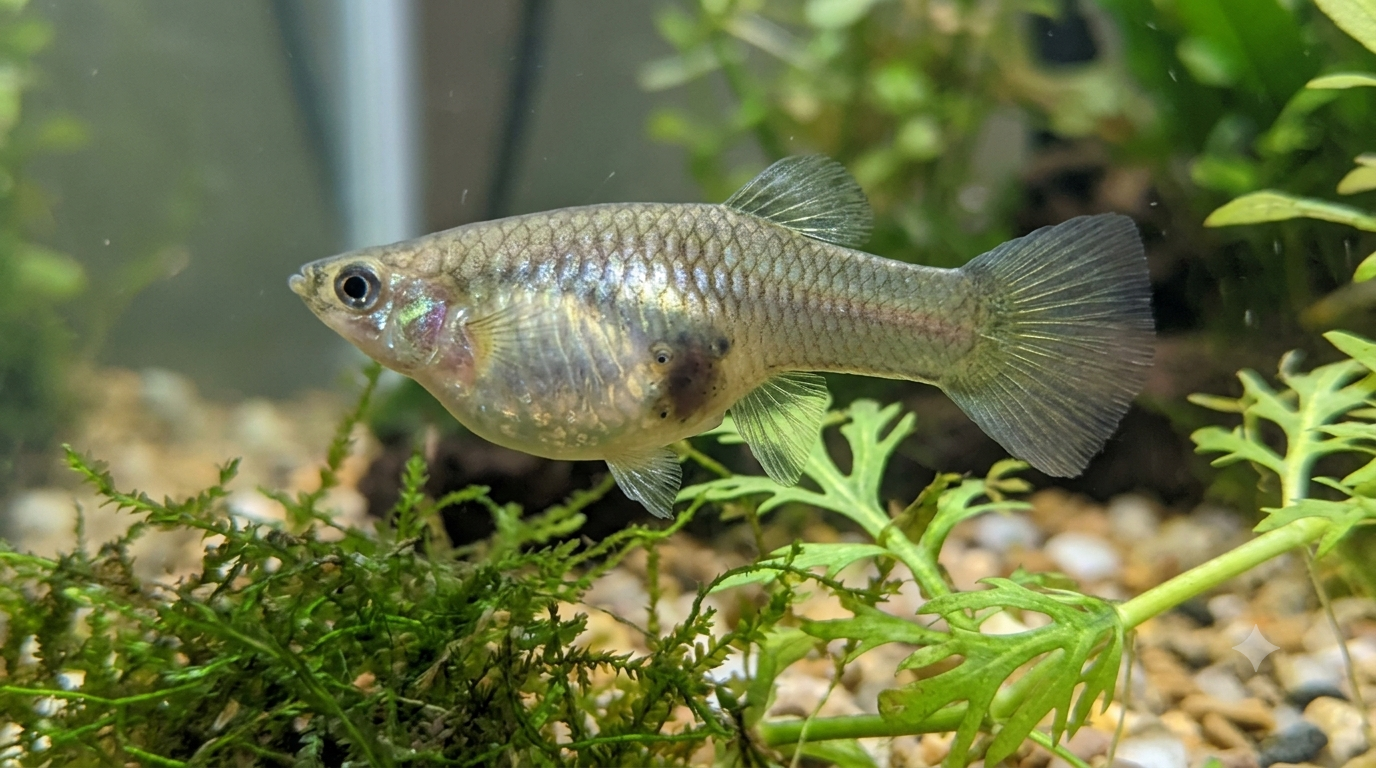
Usually, no. Goldfish prefer cooler water, while many tropical fish need a heated aquarium. Avoid pairing goldfish with bettas, guppies, and most plecos.
What fish can live with goldfish?
Peaceful cool-water fish such as white cloud minnows and zebra danios can sometimes live with goldfish in a large tank. Other goldfish of a similar body type are often the safest option.
Do goldfish need friends?
Goldfish do not strictly need friends, but compatible companions can promote activity and social behavior. Space, filtration, and water quality come first.
Is one goldfish okay?
Yes. One goldfish can live comfortably alone in a properly sized, filtered, cycled tank with good water quality and enrichment.
Can I put a sucker fish with my goldfish?
It depends on the species. Avoid common plecos and tropical algae eaters because they may need warmer water or outgrow the tank. Snails are often a simpler choice for algae control.
Should I have one or two goldfish?
One goldfish can live happily alone in a large, filtered tank. Two goldfish can enjoy companionship, but only if your tank has enough space, strong filtration, and stable water quality. Choose two only when you can support multiple fish comfortably.
Can goldfish become aggressive toward tank mates?
Yes. Goldfish can chase, nip fins, or bully smaller fish, especially during feeding time. Keep multiple fish only if they are similar in size and temperament. Watch closely to introduce tank mates safely and separate aggressive pet fish if needed.
How can I keep a single goldfish happy?
Keeping a goldfish alone is fine when it has a large, filtered, cycled tank, clean water, plants, decorations, and open swimming space. A single goldfish can live comfortably without other goldfish in the tank, as long as its basic needs are met.
What tank size and water conditions do goldfish need?
Goldfish need a larger tank than many people expect, strong filtration, and stable water quality. Avoid overcrowding: do not keep many fish in a small tank. Keep ammonia and nitrite near zero, perform regular water changes, and choose a tank size based on adult fish size.
How can I safely introduce a new goldfish or tank mate?
Quarantine the new goldfish first, then acclimate it slowly to the main tank. Add tank mates safely by matching size, temperament, and water needs. Monitor chasing, torn fins, hiding, and water quality after adding the pet fish.
Conclusion
Do goldfish need a friend in a tank to stay happy and healthy? Not always. A single goldfish can live comfortably alone when it has a large, cycled tank, strong filtration, stable water quality, and plenty of room to swim. The RSPCA confirms that goldfish do not require the company of other fish.
Still, goldfish are social animals, and a compatible friend or two can encourage natural behavior, activity, and interaction. The safest companion is usually another goldfish with a similar body type and swimming ability. If you choose other fish, select peaceful cool-water species such as white cloud minnows or zebra danios, and make sure every fish has enough adult space
You might also like
- How to Stop Goldfish Breeding – Here’s How to Do? (Solved)
- How Often Do Goldfish Breed in a Pond? (10 Shocking Facts)
- How Many Goldfish in a 10 Gallon Tank (Exact Numbers Solved)
- 5 Reasons Why My Comet Gold Fish Tail Bleeding (Solved)
- How Old Do Goldfish Have to Be to Breed? (Secrets Revealed)
- The Ultimate Guide to Choosing the right Goldfish Tank Mate
- Why Are My Goldfish Chasing Each Other: (7 Causes & Solutions)
- When Do Goldfish Mate in Ponds? (5 Signs to Look Out for)