
Will betta fish kill mollies? Compatibility & tank safety tips are crucial for any fish keeper looking to house these species together. Betta fish are known for their aggression, but does that mean mollies are in danger? Let’s dive into the truth about their compatibility and what you need to know before adding them to the same tank.
In short, bettas can attack and even kill mollies, especially if they feel threatened or if the tank conditions aren’t ideal.
However, with enough space, the right male-to-female ratio, and proper tank setup, peaceful cohabitation is possible.
Understanding their behavior, ideal water parameters, and how to minimize conflicts is key to keeping both species safe.
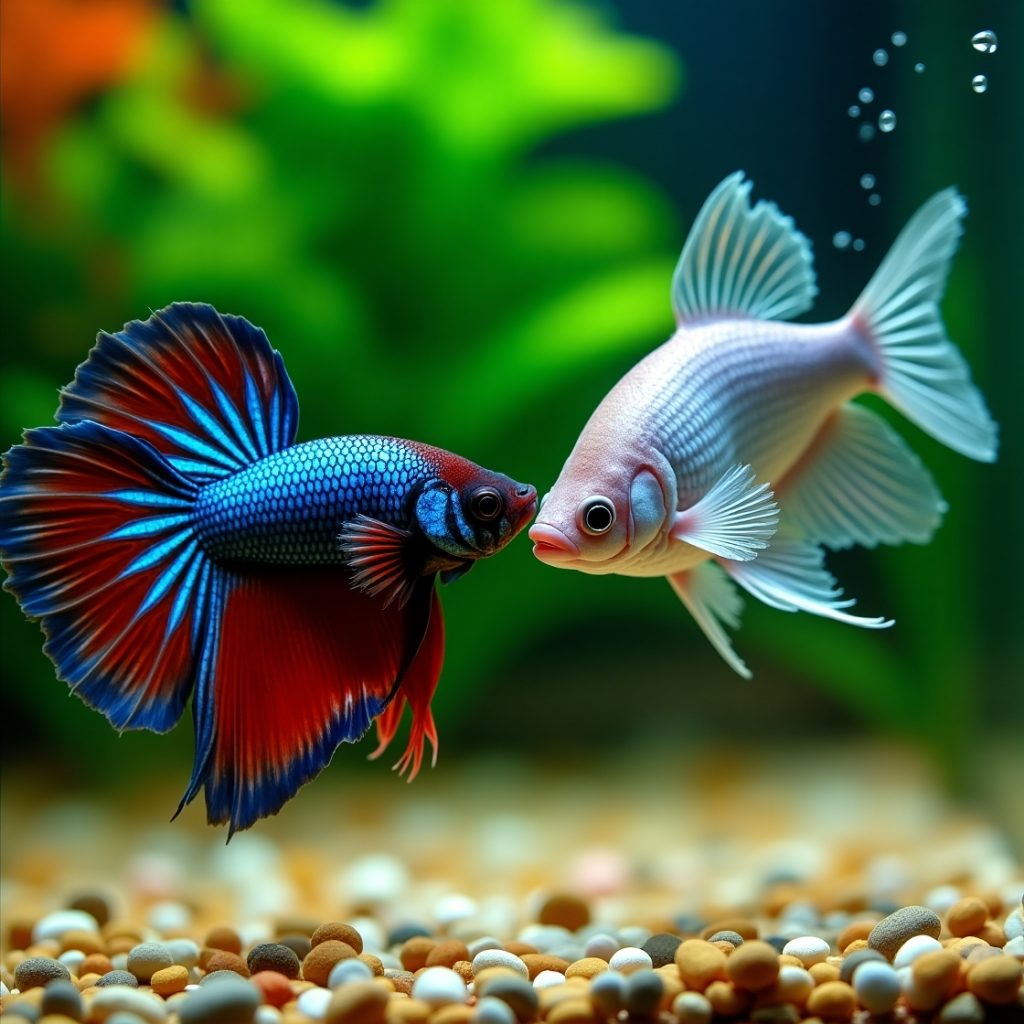
Many aquarists, including experts like Dr. Paul Loiselle, emphasize the importance of careful planning when mixing semi-aggressive and community fish. Want to know the best strategies to keep your betta and mollies thriving together?
Keep reading for essential tips on tank safety, setup, and compatibility!
Will Betta Fish Kill Mollies?
Betta fish are known for their territorial and aggressive behavior, especially the males. This aggression can sometimes lead to a harmful situation for other fish, including mollies.
If a male betta perceives a molly as a threat or competition, he may display aggressive behavior, which can result in injury or even death for the molly.
It’s important to remember that while some bettas can tolerate other species, others may not, especially in a smaller tank. Proper tank size is crucial; a minimum of a 20-gallon tank is recommended to give your betta enough space to establish its territory while allowing mollies to swim freely.
Additionally, providing hiding places with plants or decorations can help reduce the likelihood of aggression and allow fish to feel secure in their environment.
Moreover, the individual personality of each betta plays a significant role in determining compatibility with mollies. Some bettas are more docile and may coexist peacefully with mollies, while others can be extremely aggressive.
It’s essential to monitor their interactions closely, especially during the initial introduction phase. If you notice signs of aggression, such as flaring fins or chasing, it may be best to separate the fish. Overall, while bettas can live with mollies, caution is necessary to ensure the safety of all tank inhabitants.
Can Mollies Stay with Bettas?
Mollies are generally considered peaceful fish, making them popular tank mates for various species. However, when it comes to housing them with bettas, caution is advised.
The behavior of the betta fish can vary widely, and while some may tolerate the presence of mollies, others may become aggressive, especially if they feel their territory is threatened.
To increase the likelihood of peaceful coexistence, it’s beneficial to introduce the fish into the aquarium at the same time and in a spacious environment. A larger tank reduces stress levels and minimizes the chances of territorial disputes.
Additionally, the sex of the betta can influence compatibility. Male bettas are typically more aggressive than females, making it preferable to house female bettas with mollies. Female bettas tend to have a more docile nature and can get along better with peaceful species like mollies.
When considering tank mates for your betta, it’s essential to select fish that swim in different areas of the tank, as mollies often occupy the mid to upper levels, while bettas may prefer to swim lower. This separation can help reduce confrontations and allow both species to thrive in a community tank.
Worst Betta Fish Tank Mates
When creating a community tank, it’s crucial to be aware of the worst tank mates for your betta fish. Aggressive species, such as cichlids or other male bettas, should be avoided as they can cause harm to your betta.
Additionally, fish with long, flowing fins, like guppies, can trigger a betta’s predatory instincts, leading to attacks. Even peaceful fish like platies and certain types of catfish can sometimes provoke a betta’s aggression, especially if they invade its territory. Proper research and understanding of each species’ behavior is essential when selecting tank mates.
Moreover, tank mates that require different water conditions can lead to stress and health issues for all fish involved. For example, some species prefer brackish water while bettas thrive in freshwater. It’s essential to provide a suitable environment for all inhabitants.
Always consider the size and temperament of potential tank mates to ensure a harmonious aquarium. If you’re unsure about tank compatibility, consulting a forum community dedicated to aquarists can provide valuable insights and recommendations.
Introducing Your Betta Fish To Your Pre-Existing Fish Aquarium
Introducing a new betta fish to an existing aquarium can be a delicate process. To ensure a smooth transition, it’s important to acclimate the betta to the tank’s water conditions gradually. Start by floating the betta’s bag in the aquarium for about 15 minutes to equalize the temperatures.
After this, you can introduce the betta slowly, allowing it to explore its new environment. It’s advisable to turn off the lights during the introduction to reduce stress, as sudden movements or bright lights can agitate both the betta and the existing fish.
During the initial introduction phase, monitor the behavior of all fish closely. Be prepared to separate the betta if aggressive behavior is exhibited. Providing ample hiding places with plants and decorations can greatly help in alleviating stress for all fish involved.
If your aquarium is well-planted, the Siamese fighting fish may find refuge, reducing the chances of conflict. After the introduction, keep a close eye on water changes and overall tank conditions to ensure the health and safety of your fish. Remember, patience is key when integrating new fish into your aquarium.
Conclusion
In summary, the compatibility of betta fish and mollies requires careful consideration and monitoring. While some bettas can coexist peacefully with mollies, there is a risk of aggression, especially among male bettas. Proper tank size, hiding places, and the sex of the betta can significantly influence the success of their cohabitation. Always be prepared to separate fish if aggression occurs and ensure that all fish needs are being met. With the right approach and knowledge, you can create a thriving community tank where bettas and mollies can coexist safely and happily.
Ultimately, understanding the behavior of both species and providing a suitable environment is essential for a successful aquarium. Investing time in research and community forums can help you make informed decisions regarding tank mates and compatibility. By following these guidelines and prioritizing the health and safety of your fish, you can enjoy the beauty of both bettas and mollies in your aquarium. Happy fish keeping!
You might also like
- What Do Black Mollies Eat: 7 Astonishing Black Molly Foods!
- Are Molly Schooling Fish? (9 Compatible Mollies Tank Mates)
- Mollies Fish Tank Mates: 9 Peaceful Companions List (Proven)
- Can Dalmation Mollies Live with Bettas (Solved & Explained)
- Can Mollies Live with Bettas? A Complete (Beginner’s Guide)
- What Other Fish Can Live with Mollies: 7 Great Choices for Harmony
- Are Black Molly Fish Bottom Feeders: (The Shocking Truth)
- Can Molly Live with Guppies Peacefully: (Expert Advice)
- Mollies in Saltwater 101: Care & Maintenance in Your Reef Tank
- Mollies and Bettas Living Together: (Tips and Pros/cons)