Are you fascinated by the vibrant colors and intelligent nature of wild Oscar fish? Whether you’re a beginner looking to start your first tank or an experienced aquarist wanting to refine your care techniques, this guide covers everything you need to know.
Wild tiger Oscars are known for their aggressive behavior, rapid growth, and unique personalities. These freshwater cichlids, native to South America, require a well-maintained tank, a balanced diet, and proper companionship. With expert insights from seasoned aquarists, you’ll learn how to keep them healthy and thriving.
But caring for red Oscars isn’t just about feeding and tank size. Their social behaviors, breeding habits, and potential health issues require attention, too. So, let’s dive into the world of Wild Oscar astronotus ocellatus fish and discover what makes them one of the most captivating aquarium species!
Wild Oscar Fish (Astronotus ocellatus)- Species Profile
Wild Oscar Fish, or Astronotus ocellatus, is a striking species of large cichlid native to the Amazon River basin. They are characterized by their distinct body and fins, which can display vibrant colors, including shades of orange, white, and deep black.
Oscar fish in the wild primary hue ranges from tan to gray, adorned with diverse markings in black, tan, gray, white, yellow, and vibrant orange across their body and fins (though their pectoral fins are typically clear and lack any extra colors or patterns).
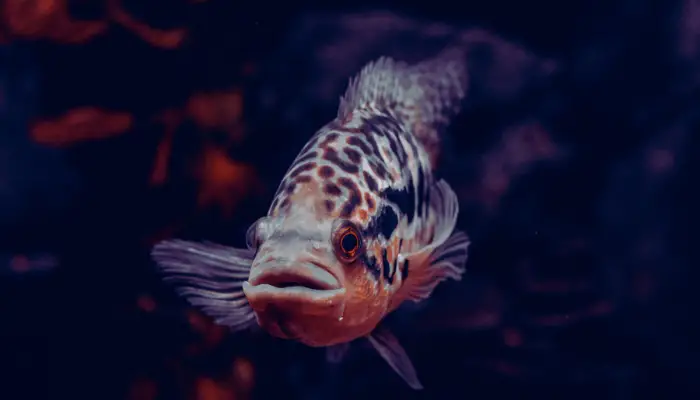
Additionally, they feature a black ocellus spot at the base of their caudal fin, often surrounded by orange, yellow, gray, or tan borders.
These predatory fish can live for 20 years in the wild, reaching lengths of up to 18 inches in captivity. Wild oscars are known for their intelligence and social behavior, often recognizing their owners and interacting with them.
As a species, they display a remarkable ability to adapt to various environments, which makes them popular among aquarium enthusiasts.
In their natural environment, wild Oscars inhabit slow-moving river systems and flooded forests, where they primarily feed on insects, crustaceans, and smaller fish like crickets. Their diet can be supplemented with high-quality pellets and frozen foods in captivity.
However, it’s essential to ensure they receive adequate vitamin C, as health problems can develop in its absence.
Wild Oscars exhibit unique brood care, protecting their eggs and fry, which further demonstrates their complex social behaviors. Understanding their species profile is crucial for providing the best care possible.
Keeping Wild Oscar Cichlid In the Aquarium
Keeping wild Oscar cichlids in an aquarium requires careful planning and consideration. Firstly, it is important to choose the right tank size, as these fish can grow significantly. A minimum of 75 gallons is recommended to accommodate their size and behavior.
The substrate should be smooth to protect their delicate fins, and ample hiding spots should be provided using rocks and plants to mimic their natural environment.
Wild oscars are known to be aggressive towards tank mates, so it’s best to house them with similarly sized, robust fish.
Water quality is another critical aspect of keeping wild oscars healthy. Regular water changes and a reliable filtration system are essential to maintaining optimal conditions.
Monitoring water temperatures and pH levels will help prevent health problems, as albino Oscars are sensitive to poor water conditions. Additionally, feeding them a varied diet is crucial for their overall health; include high-quality pellets, live foods, and occasional treats.
By providing a suitable environment and proper care, you can ensure your wild oscars thrive and display their vibrant personalities.
Wild Tiger Oscar Natural Habitat
Wild tiger oscar fish, a variety of the Astronotus ocellatus, is primarily found in the Amazon River and its surrounding river systems. This cichlid prefers shallow, slow-moving waters, where it can find plenty of cover among submerged vegetation and drifting debris.
The wild tiger oscar’s habitat includes areas with rich substrates that provide hiding spots while allowing them to hunt for food effectively. Their distribution is generally throughout the Amazon River basin, but their wild populations remain unknown in many regions.
In Colombia, the tiger oscar is particularly abundant, thriving in the diverse ecosystems that the Amazon provides. The ecological balance in these habitats is crucial for their survival, as they rely on a healthy population of insects and small fish species.
As wild oscars adapt to various environmental conditions, understanding their habitat is essential for replicating their needs in an aquarium setting. By mimicking their natural environment, you can create a thriving space that promotes their well-being and reduces the risk of health problems.
Conclusion
In conclusion, the wild Oscar fish, particularly the tiger Oscar, is a captivating species that can bring life to any aquarium. With their striking appearance and engaging behavior, they are a favorite among aquarium fish enthusiasts. However, keeping these cichlids requires understanding their species profile, habitat needs, and dietary requirements. By providing a suitable environment and proper care, you can ensure that your wild Oscars lead healthy and happy lives.
As you embark on your journey with wild Oscars, remember the importance of maintaining water quality and monitoring their health closely. Their ability to develop health problems in the absence of adequate care makes it vital for you to stay informed. Whether you are a beginner or an expert, the joy of keeping these magnificent fish is unparalleled. With the right knowledge and commitment, you can create an aquarium that mirrors their natural habitat, allowing you to appreciate the beauty and complexity of wild Oscars.
Recommended posts
- Where Do Oscar Fish Come From! (Origins & Natural Habitat)
- Best Oscar Fish Habitat: Aquarium Setup & Care Guide
- Complete Tiger Oscar Cichlid Fish Guide: Lifespan, Diet & More
- Are Oscar Fish Aggressive Fish or Just Territorial? (Top Secrets)
- Do Oscar Fish Eat Other Fish in The Aquarium: (Understanding Their Behavior)
- What Can I Feed My Oscar Fish from Home: (Budget-Friendly)