Is your angelfish refusing to eat? Troubleshooting Angelfish Not Eating: Causes & Quick Fixes will help you identify the issue and find a fast solution. Could it be stress, water conditions, or illness? Let’s find out what’s stopping your fish from enjoying its meals.
Loss of appetite in angelfish can result from stress, poor water quality, illness, or diet issues.
Common culprits include sudden tank changes, aggressive tankmates, or unsuitable food.
By addressing these factors quickly, you can restore their appetite and keep them healthy.

But there’s more to consider when troubleshooting feeding problems. Aquarists like Dr. Paul Loiselle emphasize the importance of keen observation and proper care. Let’s dive deeper into the causes and solutions to ensure your angelfish thrives!
Why is New Angelfish Not Eating?
When introducing new angel fish to your aquarium, they often experience stress due to the change in environment. This stress can lead to a refusal to eat, as the fish adjust to their new tank mates and surroundings.
It is essential to give your new angelfish time to acclimate, as they might not feel comfortable enough to eat anything right away. Additionally, changes in water quality during transport can affect their appetite.
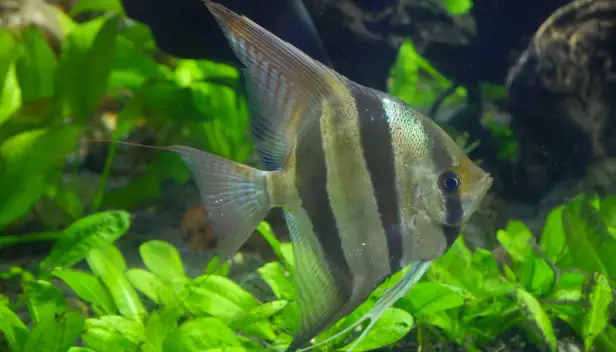
Ensure that the water parameters in the new tank are stable and suitable for freshwater fish, as ammonia, nitrite, and nitrate levels can significantly impact their health and willingness to eat.
Moreover, new angelfish might not like the food you are feeding. They are known to be picky eaters, especially when transitioning to a new home.
If you find that your new angelfish is not eating, consider trying different types of food such as flakes, pellets, or even live food like brine shrimp or daphnia.
Offering a variety of food can entice your fish to eat, helping them settle into their new environment more comfortably while ensuring they receive adequate nutrition.
6 Reasons Why Angel Fish Not Eating
Why are my angelfish not eating? There are several reasons why your angelfish might stop eating. If your angelfish is not eating, it can be a sign of various underlying issues. Here are six common reasons why your angelfish might refuse food:
1. Stress
Angelfish are sensitive to changes in their environment. Stress can be caused by:
- Recent introduction to a new tank
- Aggressive tank mates
- Overcrowding
- Sudden water changes
2. Poor Water Quality
Unstable water parameters can make angelfish uncomfortable and suppress their appetite. Check for:
- Ammonia, nitrite, or nitrate spikes
- Incorrect pH levels (ideal: 6.5–7.5)
- Improper water temperature (ideal: 75–82°F or 24–28°C)
3. Illness or Disease
Sick fish often stop eating. Common diseases include:
- Parasitic infections (e.g., ich, internal worms)
- Fungal or bacterial infections
- Swim bladder disease
4. Unsuitable or Spoiled Food
Angelfish may refuse food if:
- It’s expired or of poor quality
- They don’t like the type of food (e.g., flakes vs. pellets)
- The food is too large for them to eat
5. Breeding Behavior
If your angelfish are preparing to breed, they may lose interest in food temporarily. Signs of breeding include:
- Pairing off with a mate
- Defending a specific area of the tank
6. Overfeeding or Boredom
Feeding too often can lead to disinterest in food. Angelfish may also get bored with a repetitive diet. Try:
- Offering a variety of foods (flakes, pellets, live, or frozen food)
- Feeding smaller amounts at regular intervals
What to Do?
- Test water parameters and ensure stable conditions
- Observe for signs of illness and treat accordingly
- Offer different types of high-quality food
- Reduce stress by providing hiding spots and a peaceful environment
If your angelfish still refuses to eat after a few days, further investigation may be needed to identify and address the root cause.
Remember: Stress levels can rapidly escalate to hazardous levels when your fish experiences unstable conditions or significant alterations.
For instance, when a fish is newly placed in a tank, faces unmonitored water quality, lacks adequate space, or has to compete for food with bigger and more aggressive fish such as betta fish, it can result in angelfish refusing to eat.
Why Is Angelfish Not Eating and Breathing Rapidly?
If your angelfish is not eating and exhibiting rapid gill movements, it could indicate issues with water quality or stress. Rapid breathing often suggests that the fish is struggling to obtain sufficient oxygen, which can be a sign of poor water conditions.
Test the water parameters regularly to ensure that ammonia, nitrite, and nitrate levels are within acceptable ranges. Additionally, poor oxygen levels can arise from overstocking the tank or inadequate aeration, making it essential to monitor the number of fish in the tank and consider adding an air pump if necessary.
Furthermore, if your angelfish is showing signs of disease alongside not eating, it’s crucial to treat the fish promptly. Look for signs such as discoloration or unusual spots, which might indicate health issues.
In such cases, isolating the affected fish can help prevent the spread of disease to others. In some instances, stress from aggressive tank mates can also lead to rapid breathing and a refusal to eat. By addressing these water quality and stress factors, you can help your angelfish return to a healthy state and resume normal feeding behavior.
What to Do If Your Angelfish Is Not Eating?
If your angelfish is not eating, the first step is to assess the water quality and parameters. Regular water changes can help improve the overall health of the aquarium, ensuring that ammonia, nitrite, and nitrate levels are kept in check.
Once you have confirmed that the water quality is suitable for your freshwater fish, observe your angelfish’s behavior closely. If they seem stressed or are hiding, consider rearranging the aquarium layout to provide a more secure environment, as this can reduce stress and encourage feeding.
Additionally, consider changing the type of food you offer. If your angelfish refuses to eat flakes or pellets, try offering live or frozen food, such as brine shrimp or daphnia, which can be more appealing.
You might try feeding live food such as daphnia multiple times a day rather than one large feeding. This approach can help stimulate their appetite.
If the situation does not improve within a few days, consulting with an experienced aquarist or veterinarian specializing in fish can provide further insights and treatment options for your angelfish.
Why Are My Angelfish Hiding and Not Eating?
Why my angelfish is not eating? If your angelfish hiding and not eating, it is often a sign of stress or discomfort in the aquarium. Factors such as aggressive tank mates, inadequate hiding spots, or poor water quality can lead to such behavior.
Ensure that your aquarium is well-planted or decorated to provide safe spaces for the angelfish to retreat when feeling threatened.
Additionally, observe the interactions between your fish; if you notice that larger or more aggressive fish are bullying your angelfish, it may be necessary to rearrange the tank or separate aggressive species.
Moreover, environmental changes can also trigger hiding behavior. New tank mates, water temperature fluctuations, or even a recent water change can cause temporary stress, leading to a refusal to eat.
Monitor your angelfish’s swimming patterns and behavior closely during these transitions. If they are still hiding after a few days, consider testing the water parameters to rule out any underlying issues that could be impacting their health. Taking these steps can help your angelfish feel more secure, encouraging them to come out and eat regularly.
Conclusion
So, why is my angelfish not eating? In conclusion, troubleshooting why your angelfish are not eating can be a complex process. By understanding the various factors that contribute to this issue—such as water quality, tank mates, and stress—you can take actionable steps to encourage your fish to eat again. Regularly testing water parameters, providing a varied diet, and ensuring a comfortable environment are key components of successful angelfish care. If problems persist, seeking advice from experienced fish keepers or professionals can provide you with the guidance needed to restore your angelfish’s health and appetite. Remember, a healthy angelfish is a happy angelfish, and with the right care, you can enjoy watching these beautiful creatures flourish in your aquarium.
Recommended posts
- Top 5 Common Angel fish Diseases & How to Cure Them Fast
- Angelfish Hole in the Head Disease (Causes & Best Treatment)
- Keeping Angel fish in a Community Tank: Best Tips & Tankmates
- Angel fish pH Level: Best Water Conditions for Healthy Fish
- Platinum Angel fish Care: Tank Setup, Diet & Breeding Tips
- Exploring the Angelfish Natural Habitat: Rivers & Ecosystems
- How Often Do You Feed Angelfish: Best Feeding Schedule & Tips
- Angelfish Eyes Bulging Treatment: Causes & Quick Fixes