Have you ever wondered where does angelfish live in the wild? From freshwater rivers to vast ocean reefs, angelfish inhabit some of the most fascinating aquatic environments.
Angelfish live in both freshwater and marine habitats. Freshwater species, like the popular Pterophyllum, originate from the Amazon Basin, while marine angelfish thrive in tropical coral reefs across the Atlantic, Indian, and Pacific Oceans. Their vibrant colors and unique adaptability make them a key part of their ecosystems.
But there’s much more to discover about their habitats and survival strategies. What makes their environment so special? Let’s dive deeper into this freshwater angelfish care guide and explore the waters they call home.
Where Does Angelfish Live?
Wild angelfish primarily inhabit the warm, shallow and slow moving waters of the Amazon River Basin in South America, where they thrive in diverse ecosystems. In the wild, you can find them in slow-moving rivers, streams, and flooded forests.
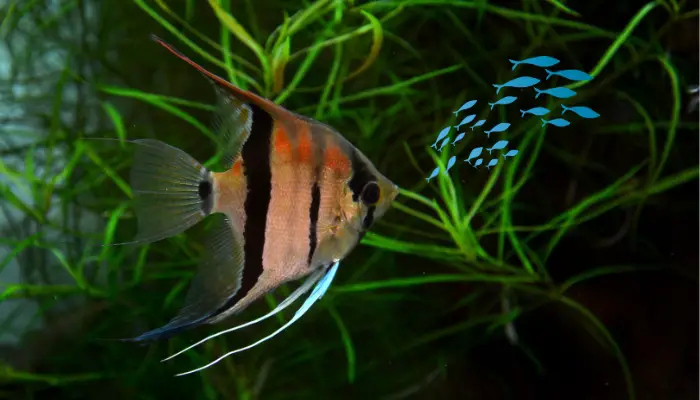
These environments are rich in aquatic plants, providing angelfish with ample hiding spots and breeding areas. The water is typically warm, with temperatures ranging from 75°F to 82°F, and the pH levels are slightly acidic, which is ideal for their well-being. This wild habitat plays a crucial role in shaping their behavior, feeding patterns, and social interactions.
In addition to the Amazon Basin, angelfish can also be found in surrounding countries, such as Peru and Colombia, where they adapt to similar freshwater environments. These aquarium fish tend to prefer areas with plenty of vegetation, as it not only offers shelter but also serves as a source of food.
Breeding angelfish in captivity becomes easier when their aquarium mimics these natural conditions, ensuring that they feel secure and lay the eggs. Understanding the wild habitats of cichlid family species of angelfish can significantly enhance the quality of life for these pets in our aquariums.
What is the Best Habitat for Angelfish?
The natural habitat of angelfish is characterized by warm, freshwater environments that are teeming with life. They are often found in areas where there is dense vegetation, including aquatic plants that provide both food and shelter.
The presence of natural structures, such as driftwood and rocks, further enriches their habitat, allowing them to exhibit natural behaviors. These environments are typically low in water flow, which makes it easier for angelfish to navigate and find food such as small invertebrates and plant matter.
In their natural settings, angelfish experience a diverse ecosystem rich in snails, shrimp, and other small fish, which serve as part of their diet. This natural diet plays a vital role in their growth and breeding.
When keeping angelfish in an aquarium, replicating these elements is crucial for their health. Adding live plants and ensuring the water conditions mimic their natural habitat will encourage angelfish to thrive. Regularly monitoring the temperature and pH levels of the tank is essential to emulate the conditions they would experience in the wild.
How to Create a Suitable Aquarium for Angelfish?
Creating a suitable aquarium for angelfish requires careful planning and attention to detail. Begin by choosing a spacious tank, ideally a minimum of 30 gallons, as angelfish grow quite large and need room to swim freely.
Fill the aquarium with soft, dechlorinated tap water and maintain a temperature between 75°F and 82°F to keep your angelfish comfortable. Adding aquarium plants such as Java fern or Anubias not only decorates the tank but also provides necessary hiding spots and breeding grounds.
Along with the right plants, incorporating a quality filtration system is essential for maintaining water quality. Angelfish are sensitive to poor water conditions, so regular water changes and the use of a good filter can help keep the environment clean.
It is also beneficial to include some floating plants to provide shade and reduce the intensity of the light. Regularly feeding your angelfish a varied diet that includes high-quality flakes, pellets, and occasional treats like frozen or live food can help them thrive. With proper care and attention, your newly hatched angelfish will flourish in a well-maintained aquarium.
Conclusion
In conclusion, understanding where do angelfish live in the wild and replicating those conditions in an aquarium is vital for their health and happiness. These beautiful freshwater fish thrive in warm, planted environments that emulate their natural habitats. By creating a suitable aquarium with proper water conditions, abundant vegetation, and a varied diet, you can ensure your angelfish live long and fulfilling lives. Whether you are new to the hobby or looking to expand your knowledge, caring for angelfish can be a rewarding experience. Remember to check out our weekly content on YouTube and subscribe for more tips on angelfish care and aquarium setup to help you join the ranks of successful aquarists!
Recommended posts
- 7 Facts You Should Know about Angelfish Characteristics
- Best Angelfish Plants for Happy Fish – Aquarium Care Tips
- Freshwater Black Angelfish: Habitat, Lifespan & Tank Mates
- Red Devil Angelfish: Habitat, Diet & Tank Requirements
- History of Angelfish – Their Origins & Aquarium Journey