Is your Oscar fish showing unusual behavior or signs of distress? “Signs My Oscar Fish Is Dying: Warning Symptoms & Solutions” will help you identify critical symptoms before it’s too late. But what are the warning signs, and how can you save your fish?
Loss of appetite, erratic swimming, faded colors, and labored breathing are all red flags. These symptoms often indicate poor water quality, infections, or stress. Acting fast with water changes, proper diet, and medication can increase your Oscar’s survival chances.
But recognizing the symptoms is just the first step. Experts like Dr. Paul Loiselle, a renowned aquarist, emphasize early intervention as the key to saving sick fish. So, let’s dive deeper into the causes and solutions to keep your Tiger Oscars healthy and thriving.
Do Oscar Fish Get Disease?
Yes, Oscar fish can get diseases just like any other fish species. They are susceptible to various infections and illnesses that can negatively affect their health. Some common diseases affecting Oscar fish include ich, bacterial infections, and parasites.
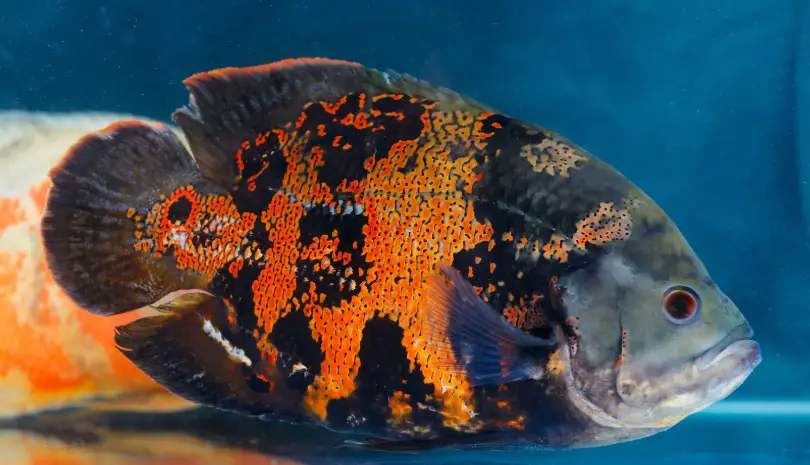
Understanding Oscar fish diseases is essential for any owner wanting to maintain a healthy aquarium. Regular monitoring of your fish’s condition and behavior can help identify potential issues early, allowing for prompt treatment.
In addition to observing the fish, it is crucial to maintain proper water quality in the tank. Parameters like ammonia, nitrite, and nitrate levels must be kept in check to prevent stress and illness in Oscar fish.
A stable environment with appropriate pH levels is vital for their immune system to function properly. By being proactive about the health of your aquarium, you can prevent diseases from taking hold and ensure your fish thrive.
Common Signs My Oscar Fish Is Dying:
Oscar fish are hardy, but they can still fall ill or suffer from poor water conditions. Here are some common symptoms that your Oscar fish might be dying or in distress:
1. Lethargy
- Signs: Your Oscar fish may become less active, spending more time at the bottom of the tank or hiding.
- Cause: Stress, poor water quality, or illness.
2. Loss of Appetite
- Signs: Refusing to eat or showing little interest in food.
- Cause: Stress, illness, or improper diet.
3. Erratic Swimming
- Signs: Swimming sideways, upside down, or in an uncoordinated manner.
- Cause: Swim bladder issues, neurological problems, or water quality issues.
4. Gasping for Air
- Signs: Frequently coming to the surface to gulp air.
- Cause: Low oxygen levels in the water, high ammonia or nitrite levels, or gill disease.
5. Faded or Discolored Scales
- Signs: Loss of vibrant color, pale or blotchy appearance.
- Cause: Stress, poor water quality, or disease.
6. Clamped Fins
- Signs: Fins held close to the body instead of being spread out.
- Cause: Stress, poor water conditions, or infection.
7. Visible Physical Damage
- Signs: Sores, ulcers, torn fins, or white spots (ich).
- Cause: Injury, bacterial or fungal infections, or parasites.
8. Rapid Gill Movement
- Signs: Gills moving faster than usual.
- Cause: Poor water quality, high ammonia or nitrite levels, or gill disease.
9. Bloating or Swelling
- Signs: Swollen abdomen or scales sticking out (pineconing).
- Cause: Dropsy, constipation, or internal infections.
10. Cloudy Eyes
- Symptoms: Eyes appear cloudy or hazy.
- Cause: Poor water quality, bacterial infection, or injury.
11. Stringy or Discolored Feces
- Signs: White, stringy, or unusually colored feces.
- Cause: Internal parasites or digestive issues.
What to Do if You Notice These Signs
Test Water Parameters:
- Check ammonia, nitrite, nitrate, pH, and temperature levels. Oscars need clean, well-maintained water.
- Ideal water parameters:
- Temperature: 74–81°F (23–27°C)
- pH: 6.5–7.5
- Ammonia and nitrite: 0 ppm
- Nitrate: < 40 ppm
Perform a Water Change:
- Replace 25–50% of the tank water with dechlorinated water to improve water quality.
Quarantine if Necessary:
- If you suspect disease, move the Oscar to a quarantine tank to prevent spreading illness to other fish.
Adjust Diet:
- Offer a varied diet of high-quality pellets, frozen or live foods, and vegetables.
Treat for Illness:
- Identify the specific issue (e.g., ich, fin rot, dropsy) and treat with appropriate medications.
Reduce Stress:
- Ensure the tank is not overcrowded, and provide hiding spots and proper filtration.
If you’re unsure about the cause of your Oscar’s distress, consult a veterinarian specializing in fish or an experienced aquarist for guidance. Early intervention can often save your fish!
What Causes Oscar Fish Diseases?
Oscar fish diseases can stem from a variety of causes, including poor water quality, stress, and the introduction of new fish into the tank. High levels of ammonia, nitrite, and nitrate can create an unhealthy environment for your fish, making them more susceptible to illness.
Stress factors, such as overcrowding or incompatible tank mates, can weaken their immune system, leading to disease. Keeping the aquarium clean and well-maintained is essential to prevent these issues.
Moreover, when introducing new fish to your tank, it’s vital to quarantine them first to avoid introducing parasites or pathogens that could harm your existing fish.
Some common fish diseases, such as hole in the head or ich, can spread quickly if not managed properly. By understanding the causes of these illnesses, you can implement preventive measures and ensure that your fish remain healthy and vibrant in your aquarium.
How to Treat Sick Oscar Fish?
Treating a sick oscar fish requires prompt action and proper treatment methods. First, it’s essential to identify the specific symptoms and signs your fish is exhibiting.
Once you recognize the issue, you can select the appropriate treatment. For instance, if your Oscar fish is showing symptoms of ich, you may need to raise the water temperature and use a special medication designed to target this parasite.
In cases of bacterial infections, antibiotic treatment may be necessary, so consulting a veterinarian is highly recommended. Additionally, improving water quality by performing regular water changes and checking filtration systems can significantly help sick fish recover.
Providing proper nutrition is also essential, as a balanced diet can strengthen the immune system and aid in recovery. Always ensure that your tank’s water parameters are optimal to prevent future illnesses.
Conclusion
In conclusion, being aware of the symptoms that your Oscar fish is dying can help you take necessary actions to treat any underlying issues. Regular monitoring of your fish’s health, maintaining optimal water conditions, and understanding the common causes of disease can prevent sickness in your aquarium. By being proactive and informed, you can provide a healthy environment for your fish and ensure they continue to thrive as your beautiful aquatic pets.
Remember that timely intervention is key when dealing with sick fish, and consulting with a veterinarian can provide valuable insights into effective treatment options. The joy of keeping oscar fish comes from watching them flourish, and by recognizing the signs of illness, you can help them lead long and healthy lives in your aquarium.
Recommended posts
- Essential Oscar Fish pH Level – Aquarium Care Guide & Tips
- 10 Common Oscar Fish Health Problems & How to Treat Them
- How Long Do Tiger Oscars Live? Essential Care & Longevity Tips
- Tiger Oscar Fish Lifespan Explained: Care Tips for a Longer Life
- Oscar Fish Hole in the Head Disease (Causes & Best Treatment)
- What Can I Feed My Oscar Fish from Home: (Budget-Friendly)