Have you noticed a small hole or erosion on your Oscar fish’s head? This alarming condition, known as Hole in the Head (HITH), can be distressing for any aquarium owner. But what causes it, and more importantly, how can you treat your Oscar fish with hole in the head effectively?
HITH in Oscar fish is often linked to poor water quality, nutritional deficiencies, and parasitic infections. Experts like Dr. Timothy Hovanec, a leading aquatic biologist, suggest maintaining pristine water conditions and a balanced diet to prevent and treat hole-in-the-head disease. Medications, improved filtration, and vitamin-rich food can also help in recovery.
If left untreated, this condition can become fatal. But don’t worry—we’ll cover everything you need to know about the causes, symptoms, and best treatments. Let’s dive into the details and ensure your Oscar cichlid fish stays healthy!
What is Oscar Fish with Hole in the Head Disease?
Hole in the Head Oscar fish Disease, also known as head and lateral line erosion (HLLE), is a condition characterized by the formation of lesions around the head and lateral line of affected fish.
This disease is particularly common in cichlid species like Oscars, but it can also affect other freshwater aquarium fish. The lesions may start as small holes but can progress into larger, more severe wounds if left untreated.
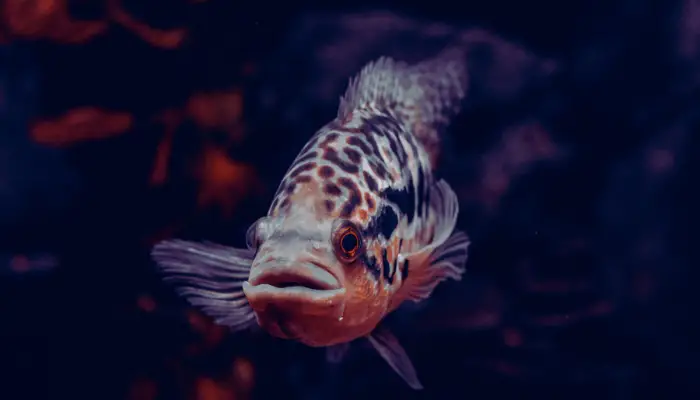
The symptoms can vary, but they often include lethargy, loss of appetite, and visible lesions that can be alarming for fish owners. Understanding the signs of HITH disease is crucial for maintaining a healthy aquarium environment.
This disease is often a sign of underlying problems, typically related to poor water quality or the presence of pathogens. Oscars, being sensitive to their environment, are particularly vulnerable to fluctuations in water parameters.
Affected fish may exhibit behavioral changes, such as hiding more often or becoming less active, which can be distressing for those who care for them. Owners need to act quickly to treat Hole in the Head Disease, as early intervention can lead to a better prognosis for their beloved Oscars.
What Causes Hole-in-the-Head Disease?
The primary causes of Hole in the Head Disease in Oscars can be traced back to several environmental factors, most notably poor water quality. High levels of ammonia, nitrite, and nitrate in the aquarium water can severely affect fish health, leading to conditions like HITH.
When water parameters are not regularly checked and maintained, the risk of fish diseases increases significantly. Additionally, overcrowding in the aquarium and inadequate filtration can exacerbate these issues by limiting the oxygen levels and increasing stress among the fish.
Another contributing factor to the development of HITH disease is the presence of parasites and pathogens that can enter the aquarium, especially if new fish are introduced without proper quarantine.
This can lead to infections that weaken the fish’s immune system, making them more susceptible to diseases. Inadequate nutrition can also play a role, as a poor diet may not provide the necessary nutrients for maintaining healthy skin and scales, further predisposing fish to lesions and infections.
Thus, it is essential to provide a balanced diet and monitor the overall health of your freshwater aquarium to prevent the emergence of Hole in the Head Oscar Disease.
Hole in the Head Treatment
Treating Hole in the Head Disease effectively involves a combination of improving water quality and administering appropriate medication. First and foremost, regular water changes are essential for maintaining optimal water parameters.
It is advisable to test the water frequently using test strips to ensure that ammonia, nitrite, and nitrate levels remain within safe limits for the Oscars. If levels are high, performing partial water changes can help alleviate the stress on your fish and create a healthier environment.
In terms of medication, metronidazole is commonly used to treat Hole in the Head Disease, as it targets the potential pathogens responsible for the lesions. It’s important to follow the dosage instructions carefully and consider the specific needs of your aquarium.
Additionally, using activated carbon in your filtration system can help improve water quality by removing impurities. Be sure to isolate any sick fish in a quarantine tank to prevent the spread of disease to other healthy fish.
A comprehensive approach, combining water quality management with targeted treatment, is crucial for successfully treating Hole in the Head Disease in your Oscars.
Commonly Asked Questions bout Oscar Fish Hole in the Head Disease (FAQs)
What are the causes of hole-in-the-head disease in Oscar fish?
Hole-in-the-head disease in Oscar fish may be caused by poor water quality, specifically high levels of ammonia and nitrite. It can also result from a deficiency in essential nutrients or the presence of parasites and bacteria.
How can I treat hole-in-the-head disease in my Oscar fish?
To treat hole-in-the-head, you should check the water parameters to ensure they are safe for fish. A 5-day treatment plan involving medicated fish food may help. Additionally, you can also treat the disease with anti-parasitic medications as prescribed by a veterinarian.
What are the signs of hole-in-the-head disease in fish?
Signs of hole-in-the-head disease include visible holes or lesions on the head, lethargy, and changes in eating habits. Infected fish may also show signs of distress and abnormal swimming patterns.
Can I keep feeder fish in the same tank as my Oscar fish?
It’s not advisable to keep feeder fish in the same tank as Oscar fish, as these may introduce types of parasites and bacteria that can lead to diseases like hole-in-the-head. Always quarantine new fish before introducing them to your main tank.
How important is it to maintain water quality for fish health?
Maintaining good water quality is crucial for fish health. Regularly check the water parameters, including ppm levels of ammonia, nitrite, and nitrate. Clean water helps prevent diseases, including hole-in-the-head, and ensures that fish will tolerate their environment better.
Will my Oscar fish recover from hole-in-the-head disease?
Yes, with proper treatment and care, fish will recover from hole-in-the-head disease. It is essential to provide a stress-free environment and monitor their progress for signs of improvement.
Can live plants help in treating hole-in-the-head disease?
Yes, incorporating live plants such as pothos can help improve water quality and provide a more natural environment for your Oscar fish. They can assist in reducing toxins in the water, contributing to overall fish health.
Are there specific diets that can help prevent hole-in-the-head disease?
Feeding high-quality fish flakes and avoiding low-nutrient diets can help prevent hole-in-the-head disease. It’s essential to ensure your Oscar fish is fed a balanced diet rich in vitamins and minerals to support their immune system.
Can lateral line disease be confused with hole-in-the-head disease?
Yes, lateral line disease can sometimes be confused with hole-in-the-head disease due to similar symptoms. However, lateral line disease typically affects the sides of the fish, while hole-in-the-head disease affects the head area.
Conclusion
In conclusion, Hole in the Head Oscar Disease is a serious condition that can affect your Oscar fish and other cichlids if not addressed promptly. Understanding the causes, such as poor water quality and parasites, is essential for preventing this fish disease. By maintaining proper water parameters and providing a balanced diet, you can significantly reduce the risk of HITH. Moreover, timely intervention through regular water changes and appropriate medication can effectively treat Hole in the Head Disease, helping your fish recover and thrive in a healthy aquarium environment. Ultimately, the well-being of your aquatic pets relies on your commitment to maintaining their habitat and being vigilant about their health.
Recent blog posts
- Lifespan of Oscar Fish Explained: Care Tips for a Longer Life
- Optimal Oscar Fish Water Temperature for a Healthy Aquarium
- Top 10 Compatible Tankmates for Oscar Fish: Safe & Compatible Choices
- Best Tiger Oscar Cichlid Foods – Top Diet & Nutrition Guide
- 10 Common Oscar Fish Health Problems & How to Treat Them
- Signs My Oscar Cichlid Fish Is Dying: Warning Symptoms & Solutions
- Best Oscar Fish Habitat: Aquarium Setup & Care Guide
- Ideal Oscar Fish Water Parameters for Healthy Aquarium Setup