Angelfish eggs turning white? Worried about losing your fish eggs before they hatch? Understanding the reasons behind this issue and how to prevent it can make a huge difference in your breeding success.
White angelfish eggs often indicate fungal infections, unfertilized eggs, or poor water conditions. A lack of proper male fertilization, high ammonia levels, and stagnant water are the most common causes. Keeping the water clean, ensuring proper fertilization, and adding antifungal treatments can help protect your eggs.
But there’s more to it than just these basics. Experts like Jack Wattley emphasize the importance of stable water parameters for successful angelfish breeding. So, let’s dive deeper and uncover all the reasons and solutions to keep your freshwater fish fish eggs healthy!
Reasons Why Angelfish Eggs Are Turning White
One of the most common reasons why your angelfish eggs turn white is due to fertilization issues. When the breeding pair lay their eggs, it is essential that the male fertilizes them effectively.
If the sperm does not successfully fertilize the eggs, they become infertile and eventually turn white. Additionally, fungal infections can also cause the eggs to lose their healthy appearance. A fungal outbreak can thrive in poor water conditions, leading to fuzzy growth on the eggs, signaling that they are no longer viable.
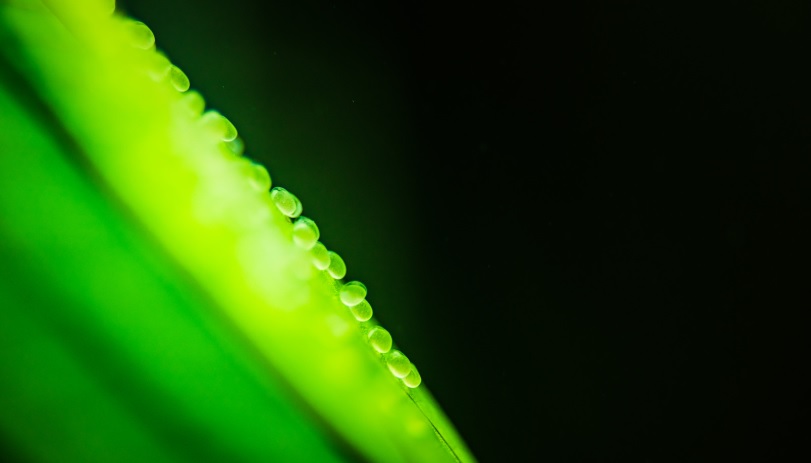
Another cause of white angelfish eggs is the presence of unwanted bacteria. If the breeding tank is not properly maintained, it can lead to bacterial blooms that negatively impact the health of the eggs.
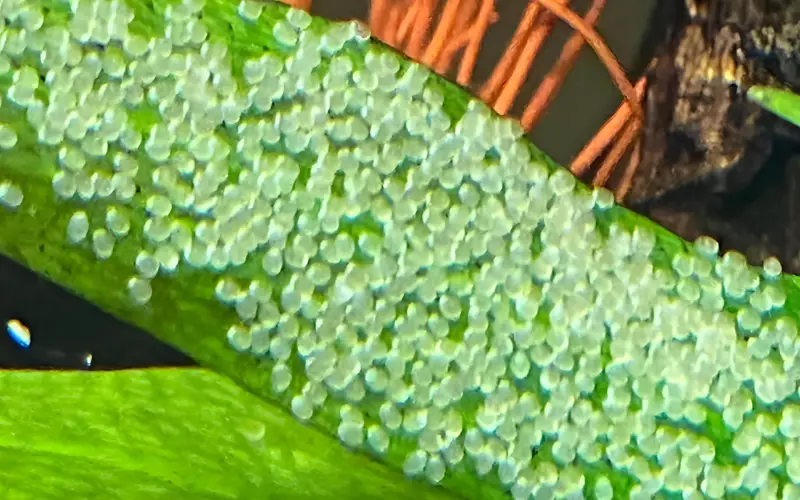
Healthy angelfish eggs should be translucent and free from any discoloration. If they start turning white, it’s crucial to assess the water quality and ensure that the breeding pair is in a suitable environment. Maintaining optimal water conditions is essential for promoting the fertilization and health of angelfish eggs.
Why is it Important to Identify Fertilized Angelfish Eggs?
Identifying viable eggs among angelfish eggs is crucial for the success of breeding. Fertilized eggs are translucent and typically develop a dark center, indicating that they are healthy and developing properly.
Understanding the difference between healthy eggs and those that are infertile allows aquarists to make informed decisions about caring for the eggs. When recognizing that some eggs are infertile, breeders can remove the white ones to prevent them from contaminating the healthy eggs.
Moreover, recognizing fertilized eggs also helps in creating the right conditions for hatching. If aquarists want to raise the fry successfully, they must focus on nurturing the viable eggs.
This includes keeping the water clean, monitoring temperature, and ensuring proper aeration. By providing a suitable environment, breeders increase the chances of successful hatching and ensure that the baby angelfish have a healthy start to life.
Therefore, identifying fertilized eggs is a critical step in the freshwater angelfish spawning process.
Where Do Angelfish Lay Eggs? Angelfish typically lay their eggs on a smooth surface like slate or a pot. A pair of angels, consisting of a male and female, will mate and carefully select a spot, often near a sponge. If the angelfish eggs keep turning white, it indicates they are not fertile.
When to Expect Hatching of Angelfish Eggs?
After a successful fertilization, angelfish eggs typically hatch within 2 to 5 days, depending on water temperature and conditions. Warmer temperatures can accelerate your eggs hatching process, while cooler water temperatures might delay it.
During this time, the eggs will change from translucent to a more vibrant coloration as the developing fry begin to grow within the eggs. Aquarists should closely monitor the eggs during this period, as it is crucial to maintain optimal conditions to encourage a healthy hatch.
Once the eggs hatch, they will initially appear as wigglers, which are the baby angelfish that are still attached to their yolk sacs. This stage is vital, as the fry rely on the yolk for nourishment until they are ready to swim freely. Proper care during this stage is crucial, as the fry are very delicate and require a clean environment to thrive.
Aquarists should remove any uneaten eggs and maintain the cleanliness of the breeding tank to ensure a successful transition from wiggler to fry. Understanding the hatching timeline helps breeders prepare and provide appropriate care for their angelfish fry.
Troubleshooting Common Issues with Angelfish Eggs
When dealing with angelfish eggs, various issues can arise that may hinder the breeding process. One common issue is the presence of fungus, which can develop if the eggs are not adequately cared for.
To combat this, aquarists can use solutions like methylene blue to treat the water and inhibit fungal growth. It’s also essential to keep the breeding tank clean and free from debris to prevent bacteria from affecting the eggs. Regular monitoring of water parameters is crucial in maintaining a healthy environment for the eggs.
Another problem that may occur is the breeding pair eating the eggs. This behavior can stem from stress, inadequate water conditions, or the presence of infertile eggs.
If the breeding pair is consuming the eggs, it may be necessary to remove the eggs and ensure that the remaining eggs are healthy and viable.
Creating an optimal breeding environment by providing hiding spots and reducing disturbances can help minimize stress. Troubleshooting these common issues is essential for ensuring the survival of angelfish eggs and fry.
Conclusion
Why does Angelfish eggs turned white? In conclusion, understanding why angelfish eggs are turning white is crucial for successful breeding. Identifying viable eggs, monitoring water conditions, and troubleshooting common issues can significantly enhance the chances of hatching healthy fry. Aquarists must be vigilant in maintaining a clean environment and providing the right conditions for angelfish breeding. By addressing the reasons behind white eggs and implementing preventive measures, breeders can look forward to a thriving aquarium filled with baby angelfish. Successful angelfish breeding requires knowledge, patience, and dedication, but the rewards of watching healthy fry emerge make the effort worthwhile.
Recommended posts
- Angelfish Eggs Hatching Time: How Long It Takes & What to Do
- The Complete Guide to Angelfish Aquarium Setup and Breeding Tips
- Angelfish Egg Stages & Hatching Process: (Exclusive Guide)
- Angelfish Breeding Tips – A Complete Guide for Beginners
- Angel fish Fry Stages: From Egg to Juvenile