Nerite snails are popular additions to aquariums due to their ability to keep the tank clean by consuming algae. However, one of the common challenges that many aquarium owners face is the constant appearance of Nerite snail eggs.
These tiny white dots can be unsightly and difficult to remove, leading to frustration for many hobbyists.
This article will explore three secret ways to prevent Nerite snails eggs from overtaking your aquarium.
Various methods can be employed to keep these eggs at bay from adjusting aquarium water parameters to introducing natural predators.

By implementing these preventative measures, aquarium owners can enjoy the benefits of having Neritidae snails in their tanks without the hassle of dealing with unsightly eggs.
If you’re tired of constantly scrubbing away Nerite snail egg from your aquarium, stay tuned to discover the secret ways to keep them from appearing in the first place.
What Do Nerite Snail Eggs Look Like?
Nerite snail eggs are small, round, and white or off-white in color. They are often found attached to fish tank surfaces such as glass, rocks, and driftwood in the aquarium. The eggs are typically laid in clusters and might be difficult to remove from surfaces due to their strong adhesive properties.
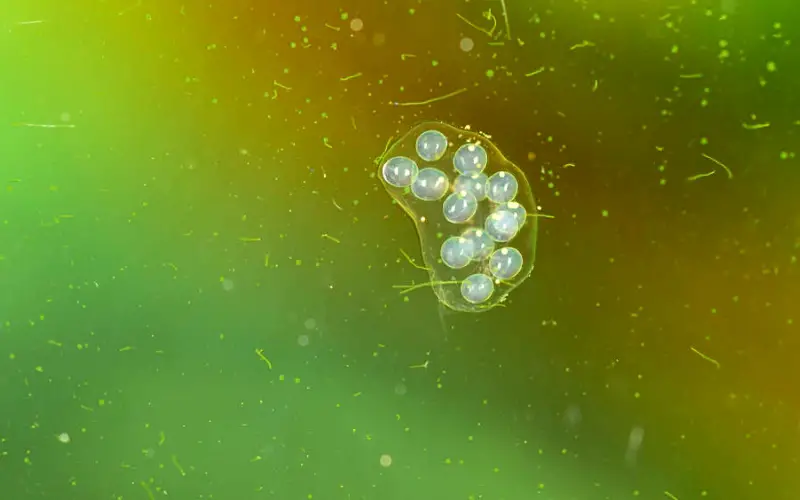
Each individual Nerite egg is about the size of a pinhead and has a smooth, shiny appearance. The eggs are often mistaken for small grains of sand or debris. Still, upon closer inspection, the uniform size and shape of the eggs can be distinguished from ordinary aquarium detritus.
Neritidae snails are known for their voracious appetite for algae and are popular among aquarium enthusiasts for their ability to help keep tanks clean.
However, their propensity to lay eggs in the aquarium can lead to overpopulation if not carefully managed, as the eggs can hatch and result in many baby snails in the tank.
How Often Do Nerite Snails Lay Eggs?
Nerite snails are prolific egg layers, but the exact frequency can vary depending on several factors, including:
- Individual snails: Some snails have more active egg layers than others.
- Age: Younger snails tend to lay eggs more frequently than older ones.
- Water conditions: Stable water parameters with optimal temperature and good water quality can encourage egg laying.
- Diet: A healthy diet rich in algae can provide the nutrients needed for egg production.
- Presence of other Nerite snails: If no other Nerite snails are in the tank, the female may lay fewer eggs.
Here’s a general guideline:
- Nerite snails can lay eggs as often as every two weeks.
- However, it’s more common for them to lay eggs in cycles, with periods of heavy egg laying followed by periods of no egg laying.
- Some Nerite snails may even stop laying eggs altogether after a while.
It’s important to note that even though Nerite snails lay eggs in freshwater, these eggs will not hatch in freshwater. The larvae require brackish water to develop, so Nerite snails are not considered a pest species in freshwater aquariums.
If you’re concerned about Nerite snail eggs in your aquarium, there are a few things you can do:
- Remove the eggs manually. You can scrape them off the aquarium glass or decorations with a razor blade, stainless steel spoon, or credit card.
- Add a snail eating fish. Some fish, such as loaches and puffers, will readily consume Nerite snail eggs.
- Keep only one Nerite snail in your tank. This will eliminate the possibility of mating and egg-laying.
How To Avoid Nerite Snail Eggs In Your Aquarium?
Nerite snails are popular aquarium cleaners, but their eggs can be a nuisance. To avoid having to deal with Nerite snail eggs in your aquarium, consider getting only male snails, as they’re the ones that won’t lay eggs.
If you already have both males and females, keeping the water conditions stable and slightly salted is best, as Nerite snails won’t lay eggs in saltwater.
Keep the water temperature near the lower end of their preferred range, which may discourage egg-laying. Some hobbyists also recommend providing a diet high in calcium to encourage the snails to lay their eggs outside the aquarium, on a hard surface instead.
Lastly, manually removing any eggs you find and reducing the amount of light in the aquarium can help prevent a Nerite snail population explosion. Taking these steps can prevent Nerite snail eggs from becoming a problem in your aquarium.
3 ways To Prevent and Remove Nerite Snail Eggs (Secret Tips)
While nerite snails are sharp algae scraper, their prolific egg-laying can sometimes become a nuisance for aquarium owners. Here are 3 ways to prevent and remove nerite snail eggs:
Prevention:
- Keep only male nerite snails: Unfortunately, it isn’t easy to distinguish between male and female nerite snails. However, some fish stores might be able to help you sex them. If you only have male nerite snails, they won’t be able to reproduce.
- Limit the calcium in your tank: Nerite snails need calcium for their shells, but excess calcium can also encourage egg-laying. Avoid using kalkwasser or other calcium supplements unless necessary for other tank inhabitants.
- Remove eggs as you see them: This is a tedious but effective way to prevent a snail population boom. Use a razor blade or credit card to scrape the eggs off surfaces carefully. Be careful not to damage the surfaces or other tank inhabitants.
Removal:
- Manual snail egg removal: You can manually remove the eggs using a razor blade or credit card. Be careful not to damage the surfaces or other tank inhabitants.
- Predators: You can introduce fish or other critters that eat snail eggs, such as yoyo loaches, assassin snails, or trapdoor snails. However, be sure to research compatibility before adding any new animals to your tank.
- Blanching: This method is a bit more risky but can be effective if done carefully. Briefly blanch the infested decorations or plants in boiling water (for just a few seconds) to kill the eggs. Be sure to let everything cool completely before returning it to the tank.
Will Fish Eat Nerite Snail Eggs?
It is unlikely that fish will eat Nerite snail eggs. Nerite snail eggs are notoriously complex and resistant, making them unappealing to most fish species.
Additionally, Nerite snails are known to lay their eggs in difficult-to-reach places, such as on tank walls or decorations, and often in brackish water. This makes it even more challenging for fish to access and consume the eggs.
While some larger, more aggressive fish may occasionally show interest in the eggs, most fish will not bother with them. It is worth noting that Neritidae snails are widely popular in aquariums for their algae-eating abilities and peaceful nature, making them a great addition to any fish tank.
However, if you are concerned about the potential for fish to eat nerite eggs, providing plenty of hiding spots and plants for the snails to lay their eggs on can help minimize the risk.
Why Avoid Using Aquarium Salt With Nerite Snails?
You should avoid using aquarium salt with Nerite snails for a few important reasons:
Physiological Disruption:
- Nerite snails are freshwater types of snails adapted to life in environments without the elevated salt levels found in marine aquariums. Adding aquarium salt to their freshwater environment disrupts their internal processes, making it difficult for them to regulate their body fluids and electrolytes. This can lead to stress, illness, and even death.
Shell Damage:
- Nerite snails rely on calcium in their water to maintain and repair their shells. While some sources claim adding aquarium salt might benefit shell health, others suggest it can weaken shells by interfering with calcium uptake. It’s best to err on the side of caution and stick to naturally calcium-rich freshwater for optimal shell health.
Reproduction Inhibition:
- While Nerite snails can survive in fresh and saltwater, they require saltwater to reproduce. Introducing them to a freshwater environment with added aquarium salt won’t trigger breeding but could still negatively impact their health. If you aim to breed Zebra Nerite snails, a separate saltwater tank setup would be necessary.
Alternative Solutions:
Instead of using aquarium salt, here are some safer ways to address potential issues in your Nerite snail tank:
- Water Parameter Maintenance: Ensure regular water changes and stable water parameters, including appropriate pH, hardness, and temperature, suitable for freshwater snails.
- Calcium Supplementation: If your water source is naturally low in calcium, consider adding cuttlebone, calcium carbonate powder, or other snail-safe calcium supplements to the tank.
- Dietary Variety: Provide a varied diet of algae, biofilm, and fresh vegetables like zucchini or spinach to ensure proper nutrition for healthy shell growth.
Remember, the primary goal is to create a healthy and thriving environment for your Nerites. Avoiding aquarium salt and focusing on appropriate freshwater conditions will keep them happy and healthy in the long run.
What to do with Unwanted Baby Nerite in freshwater tank?
If you have unwanted baby Nerite snails in your freshwater tank, there are a few options for what to do with them. One option is to simply leave them in the tank and allow them to grow and reproduce, as they can help keep the tank clean by consuming algae and other debris.
However, if the snail population becomes too large for the tank, you may need to remove some snails. You can try to sell or give them away to other aquarium enthusiasts or donate them to a local pet store.
Another option is to dispose of the unwanted snails by placing them in a separate water container and freezing them, which will euthanize them. It’s essential to avoid releasing unwanted Nerites into the wild, as they can become invasive species and disrupt local ecosystems.
Regardless of what you decide to do with the unwanted baby Nerite snails, it’s essential to research and consider the best option for both the snails and your tank.
Commonly Asked Questions about Nerite Snails Eggs (FAQs)
Are Nerite Snails Algae Eating Machines?
While Nerite Snails are strong algae grazers, they’re not magic “machines.” They can help control mild algae growth but won’t solve significant outbreaks. Think of them as helpful tank cleaners, not algae eradicators.
What are Good Nerite Snail Tank Mates?
Peaceful fish like Rasboras, tetras, or shrimp are great Nerite snail buddies. Avoid bigger fish, loaches, or puffers who might see them as a tasty snack!
Will nerite snail eggs hatch in freshwater?
No, nerite snail eggs need brackish water to hatch. Freshwater won’t sustain the larvae, so enjoy their algae-munching skills but don’t expect baby snails!
How often do nerite snails lay eggs?
Nerite snail egg-laying frequency varies. Some lay regularly, others sporadically, and some not at all. It’s more about individual snail and tank conditions than a set schedule.
What eats nerite snail eggs?
Unfortunately, few aquarium creatures specifically target nerite snail eggs. Some fish, like puffers or loaches, might snatch them, but introducing them solely for egg control disrupts the tank balance. Manual removal or adjusting tank mates are safer options.
How to hatch nerite snail eggs?
Nerite snail eggs need brackish water! Setting up a quarantine tank with correct salinity and food for tiny snail babies is complex and rarely successful. Admire their eggs, but hatching them at home is very challenging.
Conclusion
In conclusion, preventing Nerite snails eggs in your aquarium requires a proactive approach and consistent maintenance. Properly screening new aquarium plants and decorations before adding them to your tank can help reduce the risk of introducing snail eggs. Additionally, regularly inspecting and cleaning the surfaces of your aquarium can help remove any eggs that may have been laid. Implementing fish species known to eat snail eggs, such as loaches or certain types of cichlids, can also be an effective form of natural control.
However, it is essential to note that these measures may not completely eradicate the presence of Nerite snail eggs, as they are known to lay eggs even in brackish water. Therefore, staying vigilant and taking proactive measures is crucial in preventing an infestation of Zebra Nerite snails in your aquarium. By being conscientious about the potential for snail eggs and implementing preventive measures, you can help maintain a healthy and balanced aquatic environment for your fish and other tank inhabitants.
You might also like
- What Do Nerite Snails Eat: A Comprehensive Care Guide
- Nerite Snails 101: The Only Care Guide You’ll Ever Need!
- Baby Snails Appeared in My Fish Tank Good OR Bad! (Surprise)
- Snail Eggs in Fish Tank 101: (Identifying & Caring for Them)
- The Benefits of Using Cuttlebone for Snails in Your Aquarium
- Horned Nerite Snail 101: A Comprehensive Guide for Beginners
- How Long Does a Nerite Snail Live: a Comprehensive Care Guide
- How Many Nerites Per Gallon: (Find Out the Safe Limit)
- How Big Do Nerite Snails Get in Aquarium: The Ultimate Care Guide
- Do Nerite Snails Reproduce: (Tips for Successful Breeding)
- How Do Nerite Snails Breed: (The Ultimate Guide)
- How Often Does Nerite Snails Lay Eggs: (A Comprehensive Guide)
- What Fish Eats Nerite Snail Eggs: (Best & Effective Fish Species)
- What Do Nerite Snails Eggs Look Like (Prevent Overpopulation)