Bleeding Heart Tetras are admired for their striking appearance and vibrant energy, but sometimes, their behavior can take a troubling turn. If you’ve noticed tension in your tank, you might be dealing with Bleeding Heart Tetra aggressive tendencies.
This unexpected behavior can disrupt the harmony of your aquarium, leaving you frustrated and concerned about the well-being of your aquatic companions.
Understanding the causes behind this aggression is key to maintaining a peaceful tank environment. Is it due to overcrowding, a lack of hiding spaces, or a mismatch of tank mates?
By identifying the root causes, you can take effective steps to curb their hostility and restore tranquility.
In this post, we’ll explore the common triggers for aggressive behavior in Bleeding Heart Tetras and share practical solutions to address the issue.
Whether you’re a seasoned aquarist or a beginner navigating the challenges of fishkeeping, this guide will empower you to create a balanced and harmonious habitat for all your aquatic friends. Dive in to discover how to transform your tank into a stress-free zone!
Let’s uncover the truth behind the Bleeding Heart Tetra’s aggression and unlock the secret to keeping them happy and peaceful in your tank.
Is Bleeding Heart Tetra Aggressive?
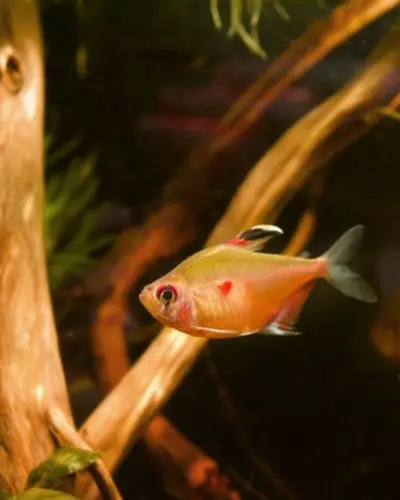
Bleeding Heart Tetras (Hyphessobrycon erythrostigma) are generally not considered aggressive fish. They are peaceful and relatively easy to keep in a community aquarium.
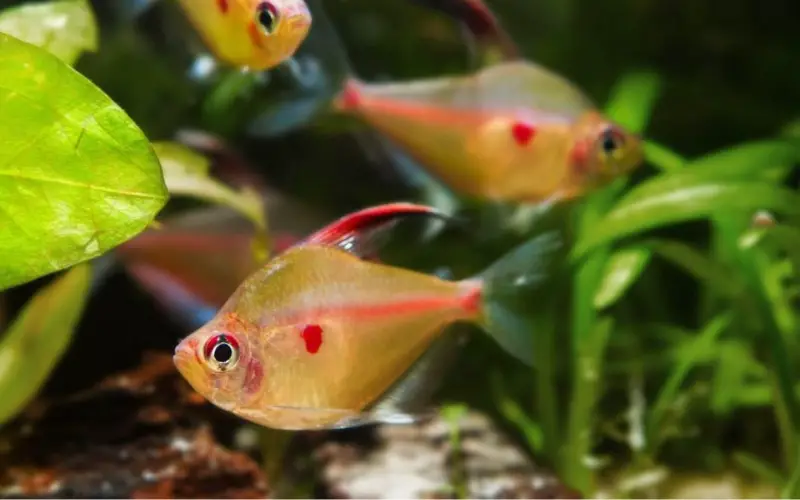
However, it’s important to note that fish behavior can vary depending on factors such as tank size, water conditions, and the presence of other fish species.
While Bleeding Heart Tetras are usually peaceful, there can be individual variations in temperament. It’s always a good idea to observe the behavior of your particular fish and be prepared to make adjustments if any aggression or territorial behavior arises.
Are Tetras Piranhas: SECRET About Bleeding Heart Tetra Aggression
No, tetras are not piranhas, but they are related. Both tetras and piranhas belong to the same family, Characidae, which also includes pacus. This family is a large and diverse group of freshwater fish in South America.
While piranhas are known for their sharp teeth and aggressive feeding habits, tetras are typically peaceful community fish popular for aquariums.
Here’s a comparison of tetras and piranhas:
Feature Tetra Piranha Appearance Small, colorful fish with slender bodies Larger fish with silvery or golden bodies and a pronounced underbite Diet Omnivores that eat insects, worms, and plant matter Carnivores that eat fish, mammals, and birds Temperament Peaceful schooling fish Aggressive and predatory fish
Bleeding heart tetras are a specific type of tetra known for their peaceful temperament. However, like many fish, they can become aggressive if stressed or kept in improper conditions. Some things that can stress bleeding heart tetras include:
- Being kept in a tank that is too small
- Not having enough hiding places
- Being kept with fish that are too large or aggressive
If you are considering keeping bleeding heart tetras, you should ensure that they have a large enough tank with plenty of hiding places. You should also avoid keeping them with fish that are too large or aggressive.
How to Deal with Bleeding Heart Tetra Aggression
Bleeding heart tetras are typically peaceful schooling fish, but they can become aggressive if not kept in the right conditions or with compatible tank mates. Here’s how to address aggression in your bleeding heart tetras:
1. Ensure Proper Schooling:
- Keep them in a group: Bleeding heart tetras are happiest and most peaceful when kept in a school of at least 6 individuals. This helps diffuse aggression and reduces territorial behavior.
- Avoid single individuals: Keeping a single bleeding heart tetra can lead to stress and aggression, as they may feel isolated and insecure.
2. Provide Adequate Tank Space:
- Sufficient swimming room: A larger tank provides more space for the fish to spread out, reducing the chances of territorial disputes. Aim for a minimum tank size of 20 gallons for a school of 6 bleeding heart tetras.
- Plenty of hiding spots: Densely planted tanks or tanks with plenty of rocks and driftwood offer hiding places for fish to retreat to, reducing stress and aggression.
3. Maintain Optimal Water Conditions:
- Regular water changes: Poor water quality can stress fish and increase aggression. Perform regular water changes to maintain clean and healthy water parameters.
- Proper filtration: A good filter helps maintain water quality and removes waste products that can contribute to stress.
4. Choose Compatible Tank Mates:
- Peaceful community fish: Avoid keeping bleeding heart tetras with aggressive or fin-nipping fish. Suitable tank mates include other peaceful tetras, rasboras, corys, and small peaceful community fish.
- Avoid long-finned fish: Long-finned fish like guppies or bettas may be targeted by bleeding heart tetras, especially if they are stressed or feeling territorial.
5. Monitor for Signs of Stress:
- Loss of appetite: Stressed fish may stop eating or lose interest in food.
- Fading colors: Stress can cause fish to lose their vibrant colors.
- Increased aggression: If you notice increased aggression or fin-nipping, take steps to address the underlying cause.
6. Consider Rehoming Aggressive Individuals:
- If all else fails: If one or two individuals are persistently aggressive despite your efforts, it may be necessary to rehome them to prevent further harm to other fish.
By following these tips, you can help ensure your bleeding heart tetras remain peaceful and thrive in your aquarium. If you continue to experience problems, consult with a local fish expert or veterinarian for further guidance.
How Big Do Bleeding Heart Tetras Get?
Bleeding Heart Tetras are tetra species that typically grow to around two inches in size. The males of this species are often larger and more colorful than the females, with a vibrant red marking near their anal fins.
These peaceful fish make a great addition to a community tank, but it is essential to ensure they are not kept with aggressive species like cichlids that may chase or bother them.
When breeding, a pair should be placed in a separate tank with floating plants for the female to lay eggs on. The fry will spread out and remain near the bottom until they are large enough to swim around more freely. High-quality food such as bloodworm, pellets, or freeze-dried options should be provided to adjust their diet correctly.
Commonly Asked Questions about Bleeding Heart Tetra Fish Aggression (FAQs)
Are bleeding heart tetras fin nippers?
Bleeding Heart Tetras are not typically fin nippers. However, if they are kept in overcrowded tanks or feel stressed, they may start nipping at other slow-moving fish’s fins. To prevent this problem, provide ample space in front of the tank and suitable tank mates.
Do bleeding heart tetras eat shrimp?
Bleeding Heart Tetras are generally peaceful and not known to eat shrimp. However, they may occasionally nibble at smaller shrimp, incredibly if hungry or feeling threatened.
Are bleeding heart tetras aggressive?
Bleeding Heart Tetras are generally peaceful but can become aggressive if their territory is threatened, especially during spawning. They are best kept in groups with other calm, non-aggressive fish.
What tetras don’t fin nip?
While any tetra can fin nip, peaceful options like Cardinal, Ember, and Rummy-nose tetras are less likely to bother tank mates, especially if kept in a good-sized school.
What is the most aggressive tetra fish?
The Bucktooth Tetra (Exodons paradoxus) is considered the most aggressive tetra. Known for fin-nipping and even scale eating, they can bully tankmates.
What temperature should a bleeding heart tetra tank be?
Bleeding heart tetras prefer a tropical environment between 72-80°F (22 and 27°C), with 75°F (24°C) being ideal.
Final Thoughts
In conclusion, the Bleeding Heart Tetra is a true testament to the beauty and tranquility of the aquatic world. Its striking red hue and delicate, heart-shaped pattern captivate the attention of all who gaze upon it. One of the most remarkable qualities of this magnificent fish is its peaceful nature. Unlike some aggressive species, the Bleeding Heart Tetra coexists harmoniously with its tankmates, creating a serene and balanced environment.
So, are bleeding heart tetra aggressive species? While individual temperaments may vary, the Bleeding Heart Tetra’s typically non-aggressive behavior makes it an ideal choice for community aquariums. So, whether you’re a seasoned aquarist or a passionate beginner, consider adding the enchanting Flameback Heart Tetra to your aquatic ensemble. Its elegance, grace, and gentle demeanor will surely leave you mesmerized.
Recommended posts
- Bleeding Heart Tetra Breeding 101 (A Comprehensive Guide)
- 7 Best Bleeding Heart Tetra Tank Mates for A Community Tank
- Bleeding Heart Tetra Size 101: (A Comprehensive Care Guide)
- Bleeding Heart Tetra Male Vs Female: Spotting the Difference
- Top 5 Best Foods for a Healthy Bleeding Heart Tetra Diet
- Best Bleeding Heart Tetra Tank Size: Setup, Plants & Décor
- 5 Tips for Successful Bleeding Heart Tetra Eggs Hatching
- Pristella Maxillaris Fish 101: A Guide to X Ray Tetras Care