Betta fish, known for their vibrant colors and captivating personalities, are a popular choice among aquarium enthusiasts. However, many new owners often wonder about the sleeping habits of these unique fish. One common question arises: do betta fish sleep at the bottom of the tank?
Betta fish do indeed sleep in tanks, often behind the filter where they feel safe. When they adjust to their environment, they may hang around for about 20 minutes at a time.
Many pet stores recommend observing their behavior after you dine to see if they settle down right away.
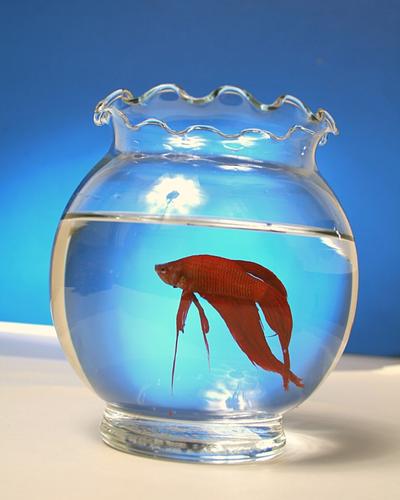
Understanding the behavior of your betta during its rest periods is crucial for ensuring its health and well-being. Unlike traditional pets, fish have different sleep patterns and may not exhibit signs of sleep in the same way mammals do.
In this article, we will explore the sleeping habits of betta fish, including where they prefer to rest and the factors that influence their behavior. Additionally, we will provide practical tips to create a comfortable environment that promotes healthy sleep for your aquatic companion.
Why Do Betta Fish Sleep at the Bottom of The Tank?
Betta fish, like many other species, exhibit unique sleeping behaviors. They often choose to sleep at the bottom of the tank, which can be attributed to their natural instincts.
In the wild, bettas seek shelter from predators and find safety in hiding spots like plants or gravel. This instinctual behavior translates to their sleeping patterns in an aquarium setting.
When a betta is resting at the bottom, it may be trying to conserve energy, especially after long periods of swimming and exploring their tank.
Moreover, the bottom of the tank provides a stable environment for bettas to rest. The substrate, whether it be gravel or sand, offers a comfortable area for them to nestle.
This resting position allows them to feel secure while they sleep and makes it easier for them to wake up quickly if needed.
Consequently, as an owner, creating a tank with ample décor, such as plants and hiding spots, can facilitate healthier sleeping routines, ensuring your betta feels safe and comfortable while resting.
How Do You Know If a Betta Fish Is Sleeping?
Identifying a sleeping betta can sometimes be challenging due to their subtle behavior changes. When a betta fish sleeps, it may float gently or lie on the substrate, occasionally appearing motionless.
Observing their fins is also a good indicator; when they’re awake, bettas tend to swim and flutter their fins actively. However, during sleep, their fins may remain relaxed and still. Additionally, bettas might stay hidden behind decorations or plants, indicating they are in a resting state.
Another key sign is the duration of inactivity. If a betta is resting for long periods, it’s likely they’re napping. Bettas usually sleep for around 8-12 hours, similar to many pet fish.
Monitoring their behavior during the day versus nighttime can help you spot these sleep cycles. If you notice your betta is unusually lethargic or not swimming as much, it could be a sign of underlying health issues like swim bladder disease, requiring immediate attention to ensure your fish remains healthy.
Do Betta Fish Close Their Eyes When They Sleep?
Unlike mammals, betta fish do not possess eyelids, so they cannot close their eyes in the traditional sense. Instead, when a betta is asleep, their eyes remain open, which can make it appear as though they are simply resting while still being alert to their surroundings.
This ability can be beneficial as it allows them to remain aware of potential threats, which is crucial for their survival in the wild. Bettas will often appear less active, but their eyes will still reflect their surroundings.
While they may not close their eyes, bettas do enter a state of deep sleep where their bodies become less responsive to external stimuli. It’s essential for betta owners to understand this behavior to avoid misconceptions about their fish being sick or lazy.
If you see your betta resting at the bottom or hiding during the day, it’s not necessarily a cause for concern. Instead, it’s a natural behavior that indicates your betta is taking a much-needed nap or resting from their active swimming sessions.
Do Betta Fish Need Darkness to Sleep?
Betta fish thrive in a routine that involves both light and darkness. While they can adapt to varying light conditions, it’s generally best to provide them with a consistent light cycle.
Bettas often prefer a dark environment for sleeping, as excessive light can disrupt their natural sleep patterns. In an aquarium setting, it’s recommended to use a timer for the tank light, ensuring that bettas receive around 8-12 hours of darkness each day. This cycle mimics their natural habitat and promotes healthier resting periods.
During the night, when the tank light is off, bettas feel more secure and can engage in deeper sleep cycles. This rest is essential for their overall health, as it aids in recovery and energy conservation.
If your betta is exposed to too much light, they may become stressed, leading to issues like erratic swimming behavior or hiding excessively. Therefore, providing a balanced light-dark cycle not only helps your betta sleep better but also contributes to their happiness and well-being in the aquarium.
FAQs
Do betta fish sleep on the bottom of the tank?
Yes, betta fish can sleep at the bottom of the tank, especially if they feel secure and comfortable in their environment. However, if your betta is constantly staying at the bottom, it may indicate something is wrong with your betta.
How can I tell if my betta fish is just resting or if something is wrong with it?
If your betta is sleeping, it will likely be in a relaxed position and may stay still for short periods of time. If betta fish staying at the bottom for long durations without moving, not responding to feeding, or showing signs of distress, it could suggest a problem.
What is the ideal water temperature for keeping betta fish?
The suitable water temperature for betta fish is typically between 76°F to 82°F (24°C to 28°C). Maintaining the right temperature is crucial for their health and activity levels.
How much light do betta fish need?
Betta fish thrive with 8-12 hours of light a day. Too much or too little light can affect their sleeping patterns and overall well-being.
Can I use a filter in my betta fish tank?
Yes, using a filter is beneficial, but you should ensure it has a gentle flow. Betta fish prefer calmer waters, so situating the filter intake away from your betta’s resting area can help.
What type of decor is best for a betta fish tank?
Providing suitable décor is essential for betta fish. They enjoy hiding spots and resting places, such as plants, caves, and a leaf hammock, which can help them feel secure and comfortable.
How often should I feed my betta fish?
You should feed your betta fish high-quality pellets once or twice a day. It’s important not to overfeed them; a few pellets that they can consume within 2-3 minutes is ideal.
What should I do if my betta fish is acting lethargic?
If your betta fish is acting lethargic, check the water parameters using a test kit, ensure the temperature is suitable, and evaluate the tank conditions. A water change may also be necessary to improve the environment.
Can betta fish breathe at the bottom of the tank?
Yes, betta fish can breathe at the bottom of the tank, but they still require access to oxygen. If your betta is constantly resting at the bottom, ensure there is adequate oxygenation in the water.
How can I ensure my betta fish gets enough sleep?
To help your betta fish go to bed, provide a dark and quiet environment during the night. Avoid bright lights and disturbances, and consider using a leaf hammock for them to rest on comfortably.
Do beta fish hibernate?
Betta fish do not hibernate in the traditional sense. Instead, they enter a state of reduced activity during colder months. If you’re not careful, this can lead to health issues.
How long do betta fish sleep?
Betta fish typically sleep for varying amounts of time, depending on their environment and lighting conditions. I’d suggest providing a consistent light cycle to help regulate their sleep patterns.
Conclusion
So, do fish sleep betta? In summary, understanding the sleeping behavior of betta fish is essential for proper fish keeping. Bettas often sleep at the bottom of the tank due to their instinctual need for safety and comfort. Recognizing when your bettas sleep can be done by observing their inactivity and relaxed fins. Although they do not close their eyes, they enter a state of rest that is crucial for their health. Additionally, providing them with a proper light cycle will enhance their sleeping patterns, ensuring they get the rest they need to thrive in your aquarium. By creating a conducive environment, you promote a happier and healthier betta.
Top Posts
- Betta Fish Not Eating and Laying at Top of tank: (5 Reasons & Cure)
- Why Does My Betta Fish Stay at the Bottom of the Tank: (FAQ)
- Is My Betta Fish Dead or Sleeping: (7 Signs to Look Out For)
- Betta Fish Laying on its Side But Not Dead: 3 Causes & Treatment
- Betta Fish Not Eating and Swimming at Bottom: 3 Reasons Solved
- Betta Fish Vertical Death Hanging: (5 Causes & Best Solutions)
- Do Beta Fish Get Lonely: 7 Signs Your Fish Needs Companion!
- Do Betta Sleep: Top 10 FAQs (How, When, and Where)