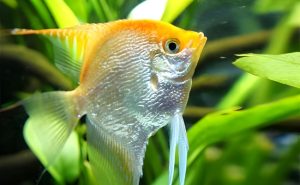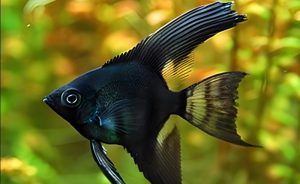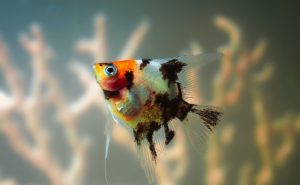
Are you wondering how big a full grown angelfish can get and what it takes to care for one? Tank Requirements for Aquarium Fish is a must-know topic for any fish keeper. Whether you’re a beginner or an experienced aquarist, understanding these elegant fish is crucial for their well-being.
A fully grown angelfish typically reaches 6 inches in length and 8 inches in height. If given a clean tank environment with minimal stress and high-quality foods, angelfish can live up to 8 to 13 years long.
They need a spacious tank, stable water conditions, and a balanced diet to thrive. With proper care, they can live up to 10 years, making them a long-term commitment for aquarium enthusiasts.

But that’s just the basics—there’s much more to learn! How do you create the perfect tank setup? What are the best feeding habits? Let’s dive deeper into everything you need to know about keeping these stunning fish happy and healthy.
What Size Do Full Grown Angelfish Get?
Full grown angelfish can achieve a size of 6 inches or more, depending on the species. Adult angelfish tend to be larger than their young fish counterparts, and the size can vary significantly between different species of angelfish.
For instance, the altum angelfish can grow even larger, reaching up to 8 inches in height. Additionally, the environment in which they are raised can influence their growth; fish grow more effectively in larger tanks with optimal water conditions. Therefore, proper tank conditions are critical, as they can affect how large your angelfish get over time.

Understanding the size of full grown angelfish is crucial for providing adequate space and resources. With proper care and the right tank size, these fish can reach their full potential.
An adult angelfish may require at least a 55-gallon tank to thrive comfortably. This spacious environment not only allows them to swim freely but also promotes healthier growth rates. Therefore, knowing the expected size of your angelfish can help set up a suitable habitat that fosters their development and well-being.
Note: There are also saltwater angel fish species, but these are a separate breeds with different care needs. This guide focuses on the freshwater Angelfish variety.
How Long Until Angelfish Full Grown?
Angelfish (Pterophyllum species) typically take about 6 to 12 months to reach their full adult size, depending on factors like species, diet, water quality, and tank conditions. Here’s a general breakdown:
- Juvenile Stage: Angelfish grow rapidly in the first few months, often reaching 2-3 inches (5-7.5 cm) within 3-4 months.
- Sub-Adult Stage: By 6-8 months, they are close to their full size but may still fill out slightly.
- Full Adult Size: Most angelfish reach their full size of 6-8 inches (15-20 cm) in height (including fins) and 4-6 inches (10-15 cm) in body length by 12 months.
To ensure healthy growth:
- Provide a balanced diet (flakes, pellets, frozen/live foods).
- Maintain clean, stable water conditions.
- Keep them in a spacious tank (at least 20 gallons for a pair, larger for a group).
Note: Growth rates can vary slightly depending on the specific species (e.g., Pterophyllum scalare vs. Pterophyllum altum).
How to Care for Freshwater Angelfish?
Caring for freshwater angelfish requires attention to several factors, including diet, tank environment, and routine maintenance. These fish thrive on a varied diet, which can include brine shrimp, bloodworms, and high-quality flakes specifically formulated for cichlids.
Regular feeding can promote their health and vibrant colors, but it’s essential to avoid overfeeding, as this can lead to water quality issues. A regular water change schedule is also critical; maintaining clean water is vital for the health of your angelfish.
Beyond diet, the tank environment plays a significant role in their overall care. It’s advisable to provide plants like java fern for hiding spots, as angelfish can be territorial.
Additionally, maintaining stable water parameters, such as temperature and pH, is essential for their well-being. Regularly testing water quality helps in identifying any harmful changes early on.
Overall, a dedicated care routine will ensure that your freshwater angelfish remain happy and healthy, showcasing their beauty in your aquarium.
What Are the Best Tank Mates for Angelfish?
Choosing the right tank mates for angelfish is crucial for a harmonious aquarium setting. Angelfish may exhibit aggressive behavior, particularly towards smaller fish, so it’s important to select compatible species.
Ideal tankmates include larger cichlids or peaceful fish like zebra danios and certain types of koi. Betta fish, on the other hand, may not be suitable due to their aggressive nature, which can lead to conflicts in the tank. It’s important to observe the interactions between fish to ensure a peaceful coexistence.
When selecting tank mates, consider the size and temperament of potential companions. Fish that are too small may become targets, while overly aggressive species can stress out the angelfish.
A well-balanced community tank can enhance the beauty of your aquarium while ensuring that all fish thrive. Understanding the dynamics of your aquarium community is essential for long-term success, as it helps to create a stable and stress-free environment for your angelfish and their companions.
How to Pick Healthy Angelfish?
Selecting healthy angelfish when visiting pet stores is essential for establishing a thriving aquarium. Look for fish that are active, with bright colors and intact fins, as these are indicators of good health.

Check for any signs of disease, such as unusual spots or lesions, and avoid purchasing fish that appear lethargic or have damaged fins. Healthy angelfish should show curiosity and engage with their surroundings, which can help ensure a good start in your aquarium setup.
Additionally, inquire about the fish’s diet at the pet store. Fish that have been fed a varied diet are more likely to adapt well to new environments.
Observing how they interact with each other can also provide insights; social fish tend to be healthier overall. Taking the time to carefully evaluate the angelfish before purchasing will pay off in the long run, as it sets the foundation for a thriving aquarium filled with vibrant and lively fish.
Can You Breed Angelfish in a Home Aquarium?
Breeding angelfish in a home aquarium is indeed possible, provided the right conditions are met. These fish typically lay eggs on vertical surfaces, so providing breeding tanks with suitable substrates is essential.
A breeding pair will engage in courtship behaviors, and once ready, they will lay eggs that hatch into baby fish within a few days. However, breeding angel fish can be challenging, as monitoring water quality and providing adequate care for the newly hatched fry is critical for their survival.
To successfully breed angelfish, set up a separate breeding tank that mimics their natural habitat, including proper lighting and filtration. It’s also important to maintain stable water conditions to minimize stress during the breeding process.
Once the eggs hatch, the fry require finely crushed food or specialized fry food to ensure healthy growth. With patience and proper care, producing angelfish can be a rewarding experience, contributing to the diversity of your aquarium.
What Is the Ideal Tank Size for Full Grown Angelfish?
The ideal tank size for full grown angelfish is crucial for their comfort and growth. A minimum of a 55-gallon tank is recommended to provide adequate swimming space and allow for territorial behavior without causing stress.
In a larger tank, angelfish can exhibit their natural behaviors and thrive, making the environment more enjoyable for both the fish and the aquarist. Additionally, larger tanks help maintain stable aquarium water conditions, essential for the health of your angelfish.
When setting up a tank for full grown angel fish, consider adding plants, rocks, and hiding spots to create an enriching environment. These elements not only enhance aesthetics but also provide security for the fish.
Remember that the overall tank size should accommodate not just the angelfish, but also any tankmates you choose. Ultimately, investing in the right tank size will promote a healthy and vibrant community, ensuring your angelfish live a long and fulfilling life.
Conclusion
In conclusion, caring for full grown angelfish requires attention to their size, diet, tank mates, and environment. By understanding their needs, you can create a flourishing habitat that ensures their health and well-being. Whether you are interested in breeding angelfish or simply enjoying their beauty, following these guidelines will enhance your experience as an aquarium enthusiast. With the right care and setup, these feisty angels can thrive and bring joy to your aquarium for years to come.
Recommended posts
- Best Angelfish Plants for Happy Fish – Aquarium Care Tips
- Angelfish pH Level: Best Water Conditions for Healthy Fish
- How Many Angelfish Should Be Kept Together (Ideal Group)
- Angelfish Tank Size Guide – Ideal Space for Your Fish
- How Big Do Angelfish Get? Discover Their Maximum Size & Growth
- The Complete Guide to Angelfish Aquarium Setup and Breeding Tips
- Angel fish Size Explained: What to Expect as They Grow!
- How Many Angelfish Can be in a 55 Gallon Tank: (The Secret Formula)
- Keeping Angelfish in Community Tank: Best Tips & Tankmates
- Koi Angel fish Care Guide: Tank Setup, Diet & Breeding Tips