Have you ever wondered where angelfish truly thrive in the wild? Exploring the Angelfish Natural Habitat: Rivers & Ecosystems takes us deep into their freshwater homes, where flowing currents and lush vegetation create the perfect environment. Understanding their habitat helps us appreciate these long finned fish even more.
Angelfish primarily inhabit the slow-moving waters of the Amazon Basin, Orinoco River, and other tropical river systems.
These waters, rich in plants and submerged roots, offer shelter and breeding grounds. Their survival depends on water temperature, acidity, and biodiversity.
But these conditions are just the beginning of their fascinating ecosystem. What role do angelfish cichlid play in their environment?
Let’s dive deeper into their rivers and explore the intricate balance that keeps their world alive!
Where Do Angelfish Live Naturally?
Angelfish are primarily found in the freshwater ecosystems of South America, particularly in the Amazon River basin. This region offers a warm tropical climate with plenty of vegetation, which is crucial for their survival.
They are part of the cichlid family and can be categorized into three freshwater species of angelfish: altum angelfish (Pterophyllum altum), teardrop angelfish (Pterophyllum leopoldi), and angelfish (Pterophyllum scalare).
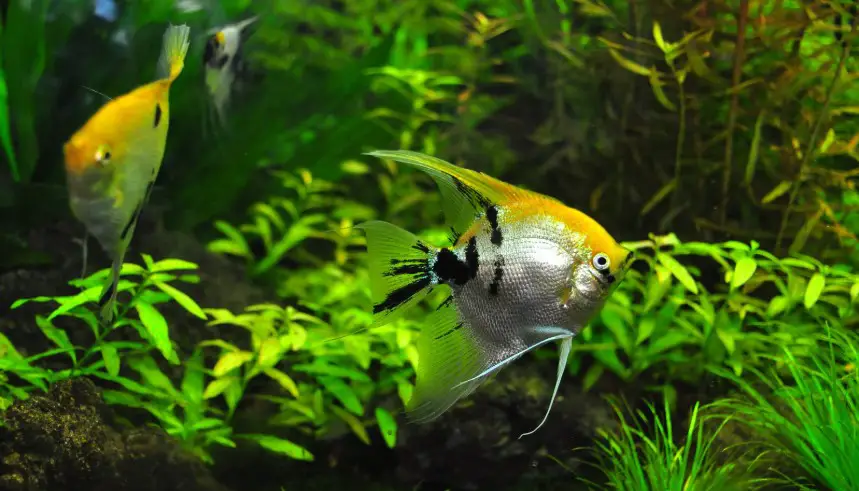
They inhabit slow-moving waters, including floodplains, tributaries, and lakes, where they can easily find shelter among the dense aquatic plants. The presence of driftwood and submerged roots also provides hiding spots, making it an ideal koi angelfish habitat.
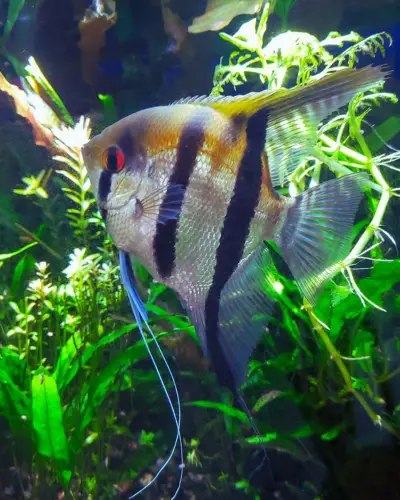
These natural settings allow angelfish to exhibit their uniquely shaped body and vertical stripes and behavior, showcasing their adaptability to various environmental conditions.
In addition to the Amazon, angelfish are also found in other river systems in Peru and surrounding countries. These ecosystems are characterized by soft, acidic water, which supports the health of angelfish and their aquatic environment.
The combination of suitable water quality and ample vegetation allows for a thriving population of angel fish, where they can spawn and raise their young. As a result, understanding where angelfish live naturally helps aquarists replicate these conditions in their home aquariums, ensuring the wellbeing of their peaceful fish.
Distribution of the Angelfish
The distribution of angelfish is primarily concentrated in the tropical regions of South America, with the most notable species being Pterophyllum scalare and Pterophyllum altum.
These species are often found in freshwater rivers, swamps, and floodplain areas. Pterophyllum scalare, commonly known as the freshwater angelfish, is the most widely distributed species in the aquarium trade, making it a popular choice among aquarists.
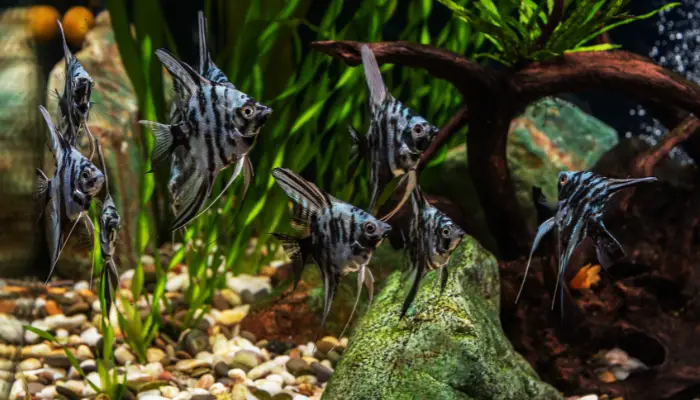
Due to their adaptability, angelfish can thrive in various water conditions, although they prefer slightly acidic to neutral pH levels.
Moreover, the distribution of angelfish also extends to areas with dense aquatic vegetation, providing them with ample hiding spots from predators. Their natural habitats are not only home to angelfish but also host a variety of other freshwater fish, such as tetras and guppies, which can serve as suitable tank mates.
This cohabitation highlights the importance of biodiversity in maintaining a healthy ecosystem and emphasizes the need for aquarists to consider the natural distribution of angelfish when selecting companions for their planted tanks.
Freshwater Angelfish Natural Habitat
The natural habitat of freshwater angelfish is rich in biodiversity and characterized by slow-moving waters and plentiful aquatic vegetation. These fish thrive in environments where they can find shelter among plants, driftwood, and other structures.
Angelfish grow to four inches in diameter,, but their fins can make some individuals exceed a foot in height. Gaining insight into their environment enhances our appreciation for these elegant creatures.
The substrate in these habitats typically consists of soft sand or fine gravel, allowing for easy spawning and foraging. Angel fish are known to spawn on flat surfaces, making the availability of appropriate spawning substrates crucial for their reproduction.
In their native habitats, angelfish exhibit a range of behaviors, including territoriality and social interactions among pairs. They form strong bonds, often swimming closely together and defending their territory from intruders.
This behavior is essential for their breeding success, as angel fish pairs work together to protect their eggs from potential threats.
Understanding the natural habitat of freshwater angelfish enables aquarists to create a more suitable environment, incorporating elements like driftwood and live plants to mimic the conditions found in the wild.
Where Are Angelfish Found in the Wild?
Wild angelfish are commonly found in various freshwater bodies, including rivers, lakes, and floodplains across the Amazon basin. These environments are typically warm, with temperatures ranging from 24 to 30 degrees Celsius, providing ideal conditions for angelfish to thrive.
In these habitats, angel fish can often be seen swimming in schools or pairs, showcasing their distinctive fins and vibrant colors. The social structure and behavior of wild angelfish are influenced by their environment, where they seek shelter and food among the aquatic plants and driftwood.
Additionally, angelfish are often located in areas with slow-moving currents, which allows them to conserve energy while foraging for food. They primarily feed on small fish, invertebrates, and plant matter, highlighting their omnivorous diet. This diverse food source is crucial for their growth and reproduction in the wild.
By observing where angelfish are found in their natural environments, aquarists can better understand their needs and create a suitable aquarium setup that promotes their health and wellbeing.
What Is the Best Environment for Angelfish?
The best environment for angelfish mimics their natural habitat, providing warm temperatures, stable water quality, and ample vegetation. A well-maintained aquarium should have a temperature range of 24 to 30 degrees Celsius and a pH level between 6.5 and 7.5.
These conditions help ensure the health of angelfish and encourage natural behaviors such as spawning and foraging. Additionally, aquarists should consider using a larger tank, ideally at least 20 gallons, to accommodate their swimming space and territorial nature.
Incorporating live plants into the aquarium setup is essential for creating a lush environment that resembles the wild. Plants like Amazon swords, Java ferns, and Anubias not only provide shelter for angel fish but also help maintain water quality by absorbing excess nutrients.
Additionally, the presence of driftwood and rocks can enhance the aesthetic appeal of the tank while offering hiding spots for angelfish pairs. By replicating the best environment for angelfish, aquarists can promote healthy growth and vibrant colors in their fish.
What Plants Do Angelfish Like in Their Natural Habitat?
Angelfish thrive in environments rich in aquatic vegetation, which provides them with shelter, breeding grounds, and food sources. Some preferred plants in their natural habitat include Amazon sword plants, Java moss, and Vallisneria.
These plants not only enhance the tank’s aesthetics but also create a more natural and secure environment for angelfish to explore. The dense foliage allows them to hide from potential threats, making them feel safe and secure, which is essential for their overall wellbeing.
In addition to providing shelter, these plants contribute to the overall health of the aquarium by improving water quality and offering food sources for angelfish. The presence of plant life helps to create a balanced ecosystem that supports various aquatic life forms.
Aquarists should aim to replicate the lush vegetation found in the wild by incorporating a variety of plants, ensuring that angel fish have plenty of places to hide and spawn.
By understanding what plants angelfish like in their natural habitat, hobbyists can create a thriving aquarium that benefits both the fish and the overall ecosystem.
Conclusion
Exploring the natural habitat of angelfish reveals the importance of understanding their needs and behaviors to ensure their successful care in captivity. By replicating the conditions found in their natural ecosystems—such as warm water, dense vegetation, and suitable tank mates—aquarists can create an environment where angelfish can thrive. Moreover, recognizing the distribution and habitat preferences of angel fish promotes a deeper appreciation for these beautiful fish and their role in freshwater ecosystems.
By providing a well-maintained aquarium that reflects the natural habitat of angelfish, hobbyists can enjoy the beauty and grace of these tropical fish while ensuring their health and happiness. Whether you are a seasoned aquarist or just starting, understanding the Freshwater Angelfish Natural Habitat is crucial for creating a thriving environment that mimics the rich ecosystems they originate from. Ultimately, the key to successful angelfish care lies in replicating their natural surroundings and providing them with the necessary resources to flourish.
Recommended posts
- Troubleshooting Angelfish Not Eating – Causes & Quick Fixes
- Angelfish Mating vs. Fighting: Key Signs to Watch For
- Keeping Angelfish in a Community Tank: Best Tips & Tankmates
- The Complete Guide to Angelfish Tank Setup and Breeding Tips
- What Do Angelfish Eat? The Best Angelfish Food Choices
- Will Angelfish Eat Guppies: Essential Tips for Peaceful Tank
- Koi Angelfish Care Guide: Tank Setup, Diet & Breeding Tips
- How Often to Feed Angelfish: Best Feeding Schedule & Tips
- Common Reasons of Angelfish Fighting & How to Stop it
- Exploring Angelfish in the Wild: How They Adapt and Survive
- Leopoldi Angelfish – Care Guide for Pterophyllum leopoldi