Do assassin snails reproduce asexually? Assassin snails, known for their predatory nature and ability to control pest snail populations in home aquariums, have sparked curiosity among enthusiasts regarding their reproduction methods. One question that often arises is whether assassin snails can reproduce on their own.
Asexual reproduction is a process where an organism can produce offspring without the need for a mate.
While they primarily reproduce through sexual reproduction, there have been reports of some species being able to reproduce asexually under certain water conditions.
This phenomenon, known as parthenogenesis, allows female snails to produce offspring that are genetic clones of themselves.
In this article, we will explore the fascinating world of aquatic snails and the potential for asexual reproduction in these intriguing creatures. Join us as we uncover the mysteries of assassin snail reproduction and gain a deeper understanding of their unique biology.
Brief Overview of Assassin Snails
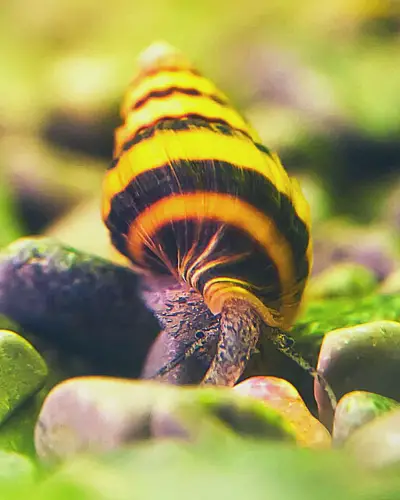
Assassin snails are unique creatures that can be a valuable addition to an aquarium. They come in male and female sexes and are not fish but a type of freshwater snail. These snails are known for their ability to eat other snails, such as ramshorn snails and nerite snails.
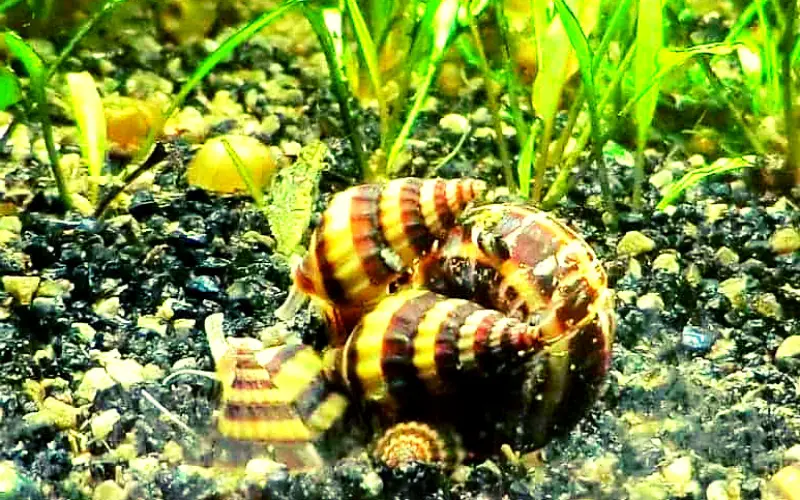
If you put a single assassin snail in the tank, it will help keep the population of larger snails under control. They will lay and fertilize eggs, but the baby snails will be hermaphrodite, and snails give birth without pairing.
Sometimes, a dead snail may be seen floating in the tank, as assassin snails can smell the snail, eat it, and leave the shell behind.
Do Assassin Snails Reproduce Asexually in Aquariums?
Can assassin snails reproduce on their own? No, assassin snails do not reproduce asexually. Unlike many other snail species, assassin snails have separate male and female sexes.
However, distinguishing between the sexes is impossible because of the lack of sexual dimorphism in the species. This means the males and females are the same size and shape.
The mating snails lock onto one another and stay that way for about 12 hours. When they are done, the female will then lay several single, clear, square-shaped eggs.
Explanation of Asexual Reproduction in Snails
Asexual reproduction in snails is not as common as sexual reproduction but occurs in some species. Here’s a breakdown of what asexual reproduction entails for snails:
Parthenogenesis
The primary mode of asexual reproduction in snails is known as parthenogenesis. In parthenogenesis, unfertilized eggs develop into new individuals. This process bypasses the need for sperm from another snail, allowing a single snail to reproduce independently.
There are two main types of parthenogenesis:
- Automixis: This type involves the genetic material from the mother being shuffled or recombined without fertilization. This can result in some genetic variation in the offspring.
- Apomixis: In apomixis, the egg develops without any genetic contribution from the mother. This results in offspring that are genetically identical clones of the mother.
Benefits of Asexual Reproduction
Asexual reproduction can be advantageous for snails in a few ways:
- Rapid population growth: A single snail can quickly establish a population in a new habitat because no mate is needed.
- Colonizing new environments: Asexual reproduction allows snails to colonize new environments where mates may be scarce.
Drawbacks of Asexual Reproduction
However, asexual reproduction also has some drawbacks:
- Reduced genetic diversity: With all offspring being clones of the mother, there is a slight genetic variation in the population. This can make the population more susceptible to extinction from environmental change or disease.
- Lower fitness: In some cases, asexually reproduced offspring may have lower fitness than sexually produced offspring. This means they may be less likely to survive and reproduce.
Species that Reproduce Asexually
Asexual reproduction is common in freshwater snail species, such as the New Zealand mud snail (Potamopyrgus antipodarum). However, it has also been documented in some land snail species.
How Often Do Assassin Snails Reproduce?
Assassin snails reproduce sporadically, with the frequency varying depending on several factors. Assassin snails eat other types of snails, making them popular for controlling snail populations in planted tanks.
Under optimal conditions, they can reproduce once every few weeks to once every few months.
The exact reproduction frequency depends on factors such as temperature, water quality, and availability. It’s worth noting that snails typically require a stable and well-established aquarium environment to reproduce successfully.
During reproduction, the male assassin snail will transfer a sperm packet, called a spermatophore, to the female. The female will lay eggs, usually in crevices or hidden aquarium areas. The eggs will hatch after a few weeks, and the juvenile snails will emerge.
It’s important to note that snails are not prolific breeders like some other snail species. They are more focused on hunting and consuming other snails as a food source.
If you want to control snail populations in your aquarium, assassin snails can be a practical choice due to their predatory nature and relatively low reproductive rate.
Cases of Observed Asexual Breeding: Will One Assassin Snail Breed?
Assassin snails are obligate parthenogens, which means they reproduce asexually. This means that they do not need a mate to produce and can create offspring on their own.
There are two main types of asexual reproduction in assassin snails:
- Parthenogenesis: This is the most common type of asexual reproduction in assassins. In parthenogenesis, a female assassin snail will produce eggs that develop and hatch without being fertilized by a sperm. The resulting offspring will be genetically identical to the mother.
- Sequential hermaphroditism: This is a less common type of asexual reproduction in assassin snails. In sequential hermaphroditism, a single snail can change its sex from male to female or vice versa. However, even when an assassin snail is in its male phase, it cannot reproduce sexually. Instead, it will still reproduce asexually through parthenogenesis.
So, to answer your question, yes, one assassin snail can breed asexually and produce offspring.
Commonly Asked Questions about Assassin Snails Predators Laying Eggs in Tanks (FAQs)
Will a single assassin snail lay eggs?
Yes, a single snail can lay eggs. They are hermaphrodites, so they don’t need a mate. However, they only lay one egg at a time, not in large clutches.
How can you tell if an assassin snail is male or female?
Unfortunately, you can’t visually tell! Assassins lack external sexual features. You’ll need a breeding pair or observe mating behavior to determine gender.
Which snails reproduce asexually?
Common asexual reproducers include pond, bladder, and marbled crayfish snails. They clone themselves!
Can a single assassin snail reproduce?
No, a single assassin snail cannot reproduce on its own. They are hermaphroditic but require mating for fertilized eggs.
Do assassin snails bury themselves?
Assassin clea helena snails often bury themselves in substrate to ambush prey like other snails.
Where do assassin snails lay their eggs?
Assassin snails lay single eggs on hard surfaces like glass, rocks, or driftwood in your aquarium.
What tropical fish eat assassin snails?
Fish that eat snails: Several tropical fish will eat assassin snails, including pufferfish, cichlids, and larger loaches like clown loaches.
Will assassin snails kill Malaysian trumpet snails?
Clea helena snails are predators that target and eat Malaysian trumpet snails, making them a natural control method.
Where are assassin snails found?
Assassin snails Clea helena are found in freshwater environments, particularly in rivers, streams, and ponds across Southeast Asia.
Conclusion
Can assassin snails reproduce on their own? In conclusion, they are fascinating creatures that play an essential role in the aquatic ecosystem. Their efficient hunting skills and ability to control pest snail populations make them a popular choice for aquarium enthusiasts. While they are known to reproduce relatively slowly, they can still thrive in suitable conditions.
Whether they produce asexually or not, their presence adds a unique dynamic to any tank, keeping it balanced and healthy. Do assassin snails reproduce asexually? If you’re considering adding assassin snails to your aquarium, rest assured that they are an intriguing and valuable addition. And remember, if you’re curious about their reproductive process, research shows that assassins do reproduce asexually, ensuring their population remains stable.
You might also like
- How to Hatch Assassin Snail Eggs in your Aquarium (Solved)
- Do Assassin Snails Breed Quickly in Tanks: (Ultimate Guide)
- How Many Assassin Snails Per Gallon: (The Ultimate Solution)
- How Do Assassin Snails Kill: Unveiling Their Deadly Secrets!
- Assassin Snail Breeding 101: A Comprehensive Beginners Guide
- Raising Assassin Snail Babies in Aquarium (Helpful Tips!)
- Lifespan of Assassin Snails in Tanks: (Comprehensive Care Guide)
- Why Are My Assassin Snails Stuck Together: (Shocking Facts)