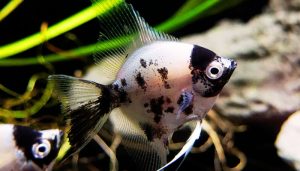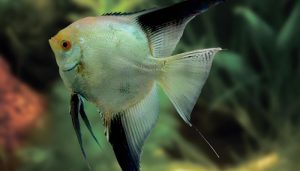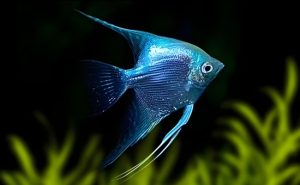
Can angelfish live alone? (Pros & Cons Explained). Many fish thrive in groups, but is the angelfish one of them? Or can it live a solitary life without issues?
Is it okay to keep an Angelfish alone? A Single angelfish can live alone, but it may not always be ideal. While some thrive in shoal, others can become stressed or less active. Factors like tank size, natural habitat, and temperament play a crucial role in their well-being.
But is keeping a single angel fish the right choice for you? Understanding the pros and cons is essential before deciding. Let’s explore the key factors to ensure a healthy and happy angelfish!
Can Angelfish Live Alone In A Community Tank?
Is it wrong to keep angelfish alone? Angelfish are known for their territorial nature, which can complicate their coexistence in a community tank.
While they can technically live alone, introducing them to a community aquarium with other species can provide social interaction that may benefit their well-being. However, it’s essential to choose appropriate tank mates, as angelfish tend to be territorial, especially during breeding.
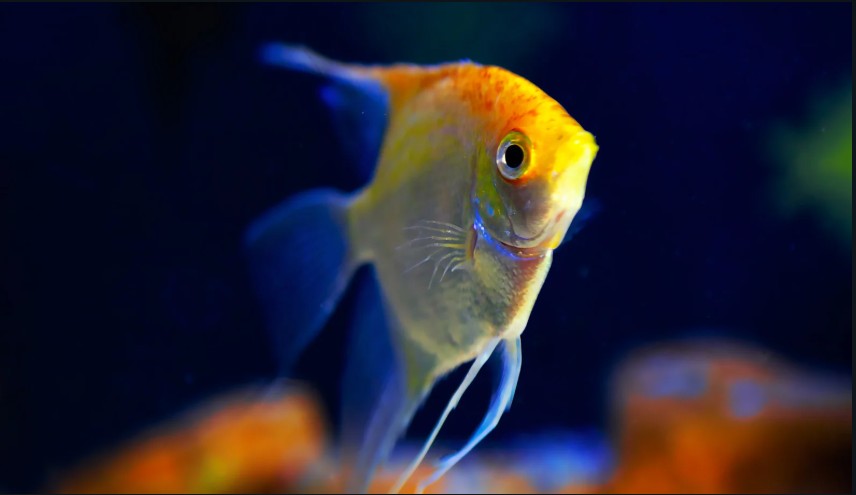
A community tank should ideally be spacious, allowing angelfish to claim their territory while still accommodating smaller fish like tetras or Corydoras. If you’re considering keeping one angelfish in a community setting, ensure the aquarium water parameters are compatible with all species involved.
When contemplating whether to keep your angel fish alone or in a community tank, the size of the aquarium plays a significant role. A larger tank, ideally 20 gallons or more, allows for better territorial management and reduces stress among the fish.
In a planted tank, angelfish may thrive alongside shoaling fish, provided there are ample hiding spots and plants, like in a well-planted tank.
This setup can create a balanced ecosystem that benefits the single fish while minimizing aggression towards smaller species. Nevertheless, careful observation is necessary to prevent any territorial disputes that may arise.
Do Angelfish Need a Buddy?
While angelfish can be kept solo, they don’t necessarily need a buddy to thrive. Many aquarists opt for a single angel fish due to its striking appearance, which can stand out beautifully in a fish tank.
However, keeping just one angelfish may lead to boredom, as these intelligent cichlids enjoy interaction. To maintain their mental health, it is recommended to engage with them regularly or consider compatible tank mates that won’t infringe on their territory.
Nevertheless, it’s crucial to monitor the dynamics closely, as some fish, such as betta fish or larger cichlids, may pose a threat to a single angelfish’s well-being.
In terms of companionship, angelfish can coexist with specific species, but they do not require the company of another angelfish to feel secure. While some fish, like gouramis, can provide companionship, it’s essential to ensure they share compatible temperaments and water conditions.
If you choose to keep your fish alone, providing enrichment through tank decorations and regular interaction can help mitigate any potential loneliness.
Ultimately, whether or not to keep a single angelfish as a solitary fish depends on the individual aquarist’s preference and the specific environment created within the aquarium.
Pros & Downsides Of Keeping Your Angelfish Alone In A Tank
There are several pros and cons to keeping your freshwater angelfish alone in a tank. On the positive side, a single angelfish can become the focal point of your aquarium, exhibiting its vibrant colors and graceful fins without competition.
Here’s a breakdown of the pros and downsides of keeping an angelfish alone in a tank:
Pros of Keeping an Angelfish Alone
- No Aggression Issues – Angelfish can sometimes be aggressive, especially toward smaller fish or tank mates that invade their territory. Keeping one alone eliminates the risk of fights or bullying.
- Simpler Tank Maintenance – A single fish produces less waste, making it easier to maintain water quality and reduce the frequency of tank cleanings.
- Lower Risk of Disease Transmission – With fewer fish, there is a lower chance of spreading diseases, which can be common in community tanks.
- No Competition for Food – A single angel fish does not have to compete for food, ensuring it gets proper nutrition without stress.
- Less Space Required – Angelfish need a tall tank due to their body shape, but keeping just one means you don’t need an excessively large aquarium.
Downsides of Keeping an Angel fish Alone
- Loneliness and Boredom – Angelfish are social creatures, and a solitary fish may become stressed or bored without companions. This can lead to reduced activity and poor health.
- Lack of Natural Behavior – In a community setting, angelfish interact with other fish, which can stimulate natural behaviors like schooling or territorial displays. A lone angelfish may not exhibit these behaviors.
- Possible Depression – Some fish, including angelfish, may become less active and dull in color when kept alone for long periods.
- Missed Opportunities for Breeding – If you’re interested in breeding angelfish, keeping only one eliminates this possibility.
- Less Visually Appealing Tank – A single fish in a large tank may not be as engaging to watch as a well-balanced community aquarium with various species.
Keeping an angelfish alone can work if you provide enough space, proper care, and enrichment like plants and decorations. However, they generally thrive in social environments, so a well-chosen tank mate or a small group may be a better option for their well-being.
Do Angelfish Lay Eggs Without a Male?
In a large tank, angelfish can thrive when kept in groups, ideally with a mated pair. However, it’s important to note that female angelfish can lay eggs without the presence of one male.
They often choose the bottom of the tank or a suitable substrate for spawning. While angelfish are hardy and can adapt, having a big tank enhances their well-being, allowing them to swim around freely.
In an aquarium fish setup, it’s recommended to keep six angelfish together to foster a better experience as they are social fish. Regular maintenance, such as cleaning the tank, is essential for their health.
Appropriate Tank Mates
Choosing appropriate tank mates for your angelfish is essential for maintaining a harmonious aquarium environment. Ideally, tank mates should be species of fish that are peaceful, smaller than the angelfish, and capable of coexisting without infringing upon the angelfish’s territory.
Tetras, corydoras, and certain types of catfish can make excellent companions due to their non-aggressive nature. It’s important to avoid aggressive species, as these can provoke stress and conflict within the tank. Additionally, choosing fish that prefer similar water conditions will help create a balanced aquarium.
When introducing new fish to your aquarium, gradual acclimatization is vital to ensure a smooth transition. Start with a well-planned introduction process to minimize territorial disputes. It’s also advisable to provide plenty of hiding spots and structures in your tank to give both the angelfish and its tank mates places to retreat when needed.
This strategy can help ease any initial tension and promote a sense of security among all fish present. When selecting tank mates, consider the angelfish’s temperament and the overall dynamics of your aquarium to create a thriving community.
Setting up the Ideal Tank for Angelfish
Creating the ideal tank for angelfish involves careful consideration of several factors. First and foremost, an adequately sized aquarium is crucial. A tall tank, ideally 20 gallons or more, provides enough vertical space for angelfish to swim and establish their territory.
Additionally, incorporating java fern plants not only enhances the aesthetic appeal of the aquarium but also offers hiding spots that can help reduce stress. Proper filtration is essential to maintain clean and healthy aquarium water, which is vital for the well-being of your angelfish.
Moreover, maintaining stable water parameters is critical for the health of your angelfish. Regular water testing and maintenance should be a part of your aquarium care routine to ensure optimal conditions.
The water temperature should be kept between 76 to 82 degrees Fahrenheit, and the pH should be slightly acidic to neutral.
Moreover, introducing decorations like driftwood or rocks can provide additional territory and interest for your angelfish. Overall, a well-thought-out tank setup can greatly enhance the life quality of your angelfish, whether kept alone or in a community setting.
Conclusion
So, Can Angelfish Live Alone with Other Fish? In conclusion, while angelfish can live alone, it is essential to consider their social nature and environmental needs. Keeping a single angelfish can offer a stunning focal point in your aquarium, but it may lead to loneliness without appropriate engagement. Understanding the pros and cons, as well as selecting suitable tank mates and creating an ideal tank environment, is crucial for the health and happiness of your angelfish. By thoughtfully planning your aquarium setup, you can ensure that your angelfish thrives, whether kept alone or in a community tank.
Recommended posts
- How Many Angelfish Should Be Kept Together (Ideal Group)
- What Fish Can Live with Angelfish: Best Compatible Species
- How Many Angelfish in a 55 Gallon Tank: (The Secret Formula)
- Best Angelfish 10 Gallon Tank Setup – Tips & Essentials
- Are Freshwater Angelfish Hardy? Care Tips for a Thriving Aquarium