Looking to set up the best 10 gallon angelfish tank but unsure where to start? What essentials do you need to ensure a healthy environment for your fish? This guide covers everything from tank size suitability to must-have equipment.
While a 10-gallon tank isn’t ideal for adult angelfish, it can temporarily house juveniles. You’ll need a proper filtration system, a heater, and specific decorations to mimic their natural habitat. Choosing the right tank mates and maintaining stable water conditions are also crucial for their well-being.
But that’s just the beginning! With expert advice from aquarists like Takashi Amano, we’ll help you build a thriving setup. Let’s dive into the best 10-gallon angelfish tank tips and essentials to get started!
Can Angelfish Live in a 10 Gallon Tank
Angelfish are known for their graceful movements and stunning appearance, but keeping them in a 10 gallon tank can be a contentious topic among fish enthusiasts. While some believe that angelfish in a 10 gallon aquarium can thrive, others argue that they require more swimming space as they grow.
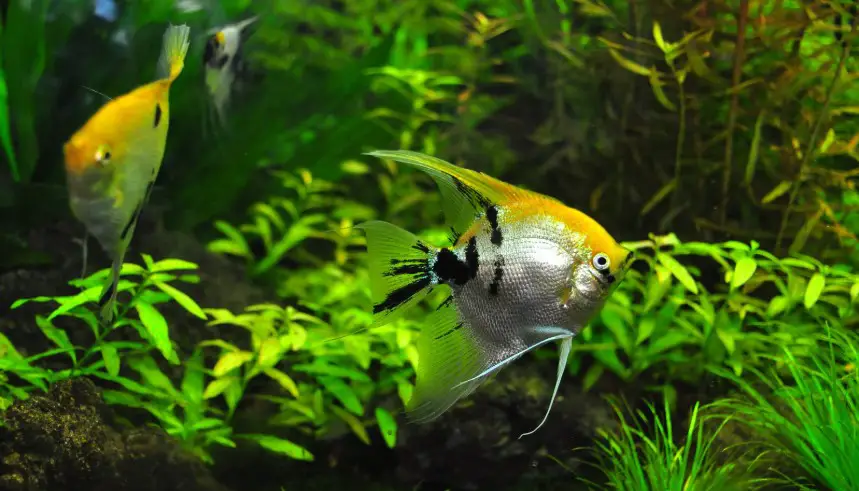
It’s essential to consider the adult size of the angelfish, which can reach up to six inches long, making a larger tank preferable for long-term health.
When housed in a 10 gallon tank, juvenile angelfish may initially adapt well, but as they mature, the confined space can lead to stress. In many cases, a larger tank, such as a 20 gallon aquarium, is recommended to accommodate their growth and territorial nature.
Therefore, while angelfish can technically survive in a 10 gallon tank, it is advisable to provide a more spacious environment to promote their well-being.
How Many Angelfish in a 10 Gallon Tank?
Determining the number of angelfish suitable for a 10 gallon tank is crucial for maintaining a peaceful aquarium environment.
Generally, it is recommended to keep one angelfish per 10 gallons of water. However, this rule can be slightly adjusted if you are introducing juvenile fish, as they will take up less space compared to adult size angels.
For a 10 gallon aquarium, a well-planned setup may include one angelfish or perhaps a pair of juvenile angelfish, as they are less territorial at that stage.
Nevertheless, careful monitoring of aggression and stress levels is paramount. Ultimately, while it might be tempting to add more fish, a more controlled stocking level will lead to a healthier aquarium ecosystem.
What Size Tank Can Angelfish Live In?
Angelfish are versatile but do best in larger tanks where they can exhibit natural behaviors. While a 10 gallon tank can accommodate young angelfish, experts advise a minimum of a 20 gallon tank for adult fish.
This larger size allows them to swim freely and reduces territorial disputes, especially when kept in groups.
In addition, a larger tank provides better water quality stability, which is vital for the health of angelfish. The consensus among fish forums suggests that for breeding pairs or groups of angelfish, a tank size of at least 30 gallons is recommended.
This ensures that the fish have adequate room to swim, explore, and establish territories without undue stress.
Best 10 Gallon Angelfish Tank Setup
Setting up a 10 gallon angelfish tank requires careful planning to maintain a balanced ecosystem. Begin with a suitable substrate, such as fine gravel or sand, to allow for natural behaviors like digging. Adding live plants can enhance the aesthetic while also providing hiding spots for the fish, which can reduce stress levels.
Incorporating filtration is essential for maintaining water quality, as angelfish produce a fair amount of waste. A small sponge filter or an adjustable hang-on-back filter can provide adequate circulation without creating strong currents.
Additionally, regular maintenance, including water changes and monitoring water parameters, is vital to keeping your angelfish healthy in a 10 gallon aquarium.
Which Tank Mates Are Suitable for Angelfish in a 10 Gallon?
Choosing compatible tank mates for angelfish in a 10 gallon aquarium can be challenging, as angelfish are known to be semi-aggressive.
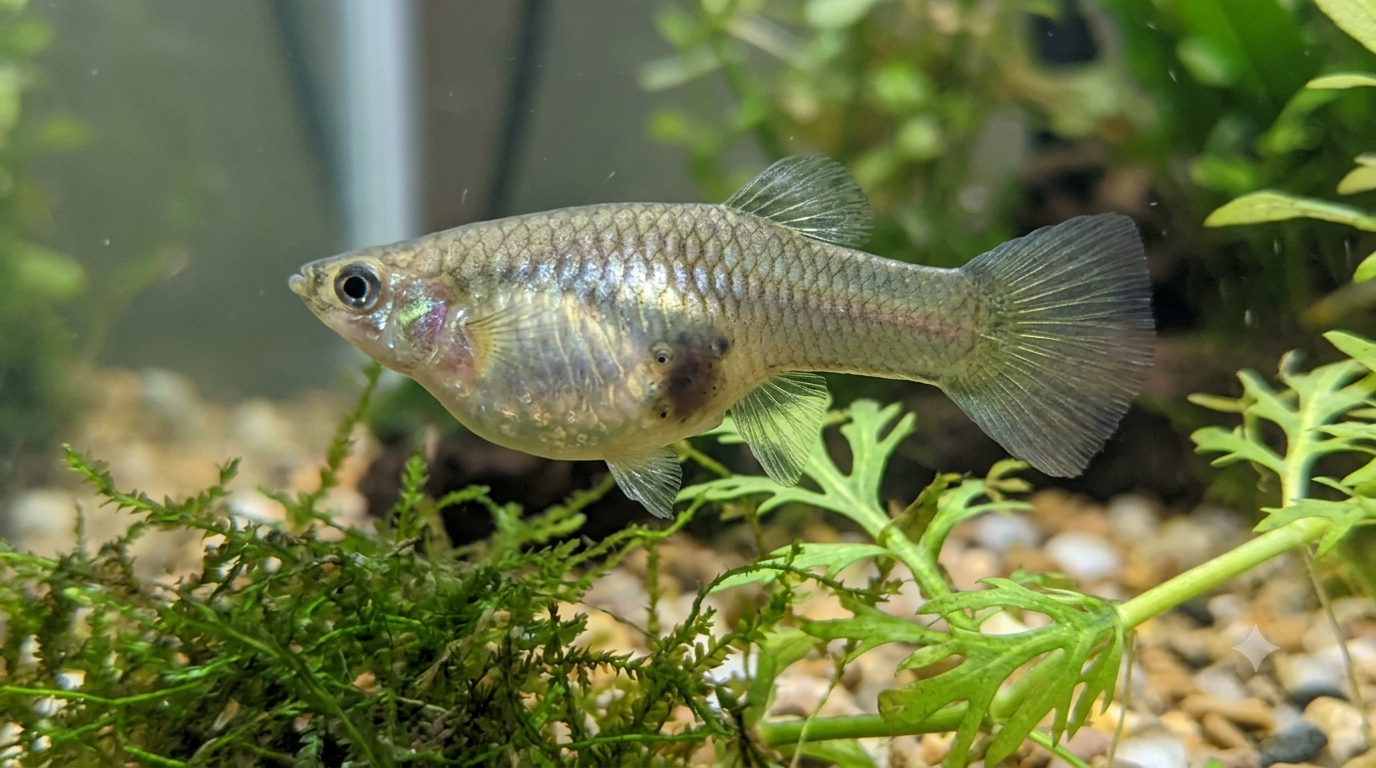
Smaller fish such as guppies, neon tetras, or danios can coexist peacefully if introduced correctly. However, it’s essential to avoid larger or more aggressive species that may stress the angelfish.
When selecting tank mates, consider species that occupy different levels of the tank to reduce competition for space. Corydoras catfish, for instance, are bottom dwellers that can complement the swimming habits of angelfish. Ensuring that the tank is not overcrowded is crucial for maintaining harmony among tank inhabitants.
What Are the Essential Care Requirements for Angelfish?
Angelfish require specific care to thrive, which includes maintaining optimal water conditions and a balanced diet. The water temperature should be kept between 75°F to 82°F, with a pH level of 6.5 to 7.5 for best results. Regular water testing will help ensure that parameters remain stable and conducive to their health.
Feeding angelfish a varied diet that includes high-quality flakes, pellets, and live or frozen foods like brine shrimp or bloodworms will promote their overall well-being. Additionally, providing a well-maintained environment with appropriate filtration and regular tank cleaning will contribute significantly to the longevity and happiness of your angel fish.
Can Angelfish Breeding Be Successful in a 10 Gallon Tank?
Breeding angelfish can be a rewarding venture, but it may not be the best option for a ten gallon tank. While some hobbyists have successfully bred angelfish in smaller setups, the limited space can lead to complications, especially when it comes to protecting the fry.
A larger tank would provide the necessary room for a mated pair to establish territories and care for their young.
If you decide to attempt breeding angelfish in 10 gallon tank, it’s crucial to create a suitable environment with flat surfaces for egg laying.
A well-planted tank with hiding spots can provide safety for both the parents and the fry. However, be prepared for the challenges that arise in such a confined space, and consider upgrading to a larger tank for long-term success.
Common Problems with Keeping Angelfish in 10 Gallons Tank
Keeping angelfish in a 10 gallon aquarium can lead to several common issues that fish hobbyists should be aware of.
Overcrowding is a significant concern, as angelfish are territorial and can become aggressive towards each other, leading to stress and injuries. Additionally, poor water quality can quickly affect their health, resulting in diseases like ich or fin rot.
Another issue to consider is the compatibility of tank mates. Introducing incompatible fish can lead to aggression and stress. Regular monitoring of fish behavior, along with routine water changes and testing, can help mitigate these problems and ensure a healthy environment for your angelfish.
Commonly Asked Questions about Angelfish 10 Gallon Tank (FAQs)
What are the essentials for a 10 gallon angelfish tank setup?
The essentials for a 10 gallon angelfish tank setup include a quality filtration system, heater, substrate, decorations, and plants. Additionally, ensure you have the right water parameters, such as pH and temperature suitable for angel fish.
Can I put more than one angel fish in a 10 gallon tank?
Generally, it is not recommended to keep more than one angel fish in a 10 gallon tank due to their territorial nature. If you do, ensure you have a suitably large tank and monitor for aggression.
What are suitable tankmates for angelfish in a 10 gallon setup?
Suitable tankmates for angelfish in a 10 gallon setup include smaller tropical fish like danios, gouramis, and some dwarf cichlids. Avoid larger fish that might outcompete or intimidate the angels.
Is it possible to breed angelfish in a 10 gallon tank?
While it is possible to keep an angel breeding pair in a ten gallon tank, it’s not ideal. A larger tank is recommended to give them space and reduce stress during breeding.
How many fish can I keep in a 10 gallon tank with angelfish?
A common guideline is to keep one inch of fish per gallon of water. However, with larger fish like angelfish, it is best to limit the number of fish in a ten gallon tank to avoid overcrowding.
What type of plants are best for a planted tank with angelfish?
For a planted tank with angelfish, consider using hardy plants like java fern, anubias, and amazon swords. These plants provide hiding spots and help maintain water quality.
Can I keep a betta with angelfish in a 10 gallon tank?
It is generally not advisable to keep a betta with angelfish in 10 gallon tank, as both can be territorial, and the betta may become stressed or aggressive, especially if the angels get too close.
What are the signs of stress in angelfish?
Signs of stress in angelfish include hiding, loss of appetite, faded colors, and erratic swimming behavior. It’s important to monitor their environment and water quality to reduce stress.
How often should I change the water in a 10 gallon angelfish tank?
It is recommended to change 10-20% of the water weekly in a 10 gallon angelfish tank to maintain good water quality and remove toxins.
Conclusion
Setting up a 10 gallon angelfish tank requires careful consideration of the fish’s needs and limitations. While it is possible to keep angelfish in this size tank, providing a more spacious environment is usually preferred for their long-term health and happiness. By understanding their care requirements, suitable tank mates, and common issues, fish hobbyists can create a thriving aquarium that showcases the beauty of angelfish.
Recommended posts
- Common Reasons of Angelfish Fighting & How to Stop it
- Can Angelfish Live Alone? (Pros & Cons Explained)
- Angelfish Tank Size Guide – Ideal Space for Your Fish
- Are Angelfish Hardy Fish? Care Tips for a Thriving Aquarium