Can a betta fish live with other fish in the same tank? Yes, but choosing the right tank mates makes all the difference. Bettas have individual personalities, and some tolerate community tanks while others attack anything that enters their territory. So, how can you tell whether your betta will accept other fish?
A betta fish can live with peaceful, non-aggressive tank mates, such as Corydoras catfish, small rasboras, and certain tetras. A spacious, well-planted aquarium with at least 10–20 gallons of water gives compatible species more room to avoid conflicts. Aquarium experts and care resources, including the International Betta Congress, emphasize responsible betta keeping and proper care conditions.
But compatibility involves more than choosing peaceful fish. Tank size, water parameters, feeding habits, and your betta’s temperament all influence success. Keep reading to discover the safest betta tank mates, which species to avoid, and how to introduce new fish without putting your betta or its tank companions at risk.
Can a Betta Fish Live with Other Fish?
A betta can live with other fish if the aquarium is large enough, the other species are peaceful, and your particular betta tolerates company. Betta fish compatibility depends more on the individual fish’s temperament than on species alone.
Many bettas do well with small, fast, non-colorful fish that swim in the middle or bottom of the aquarium. Others chase, nip, or intimidate anything that enters their space. A male betta often reacts strongly to bright colors, long fins, and fish that resemble another betta.
Before you add tank mates, decide that your betta’s welfare comes first. If your pet shows ongoing stress, torn fins, constant hiding, or attacks other fish, move the companions to another aquarium or rehome them responsibly.
What Makes Betta Fish Aggressive Toward Other Fish?
Betta fish aggression usually comes from territorial instincts, competition for food, and a strong reaction to fish that look like rivals. Male bettas are especially likely to see another male betta—or a colorful, long-finned fish—as a threat.
Several factors raise the risk:
- Small tanks: A crowded aquarium leaves fewer escape routes and increases stress.
- Long fins: Fancy guppies, other bettas, and some slow-moving fish can attract chasing or nipping.
- Bright color: A red, blue, or patterned fish may trigger a territorial response.
- Poor cover: Without plants, caves, driftwood, and dense cover, fish cannot get away from one another.
- Food competition: A betta may guard the surface and outcompete slower bottom-dwelling species.
- Individual personality: Two bettas of the same breed can behave completely differently.
A calm environment does not remove aggression, but it gives every animal a better chance to settle peacefully. Provide a gentle filter flow, stable warm water, live or silk plants, and several visual barriers.
Best Tank Mates for Betta Fish
The best betta tank mates are peaceful, small fish that do not resemble a betta, do not nip fins, and occupy a different part of the aquarium. The best tank mates also thrive at the same warm tropical temperature as your betta.
Corydoras Catfish
Corydoras catfish, often called cory cats, are among the most reliable bottom feeders for a betta community tank. A cory spends most of its time searching the substrate rather than competing with a betta near the surface.
Choose a smaller species such as panda corydoras or pygmy corydoras, and keep at least five or six together. Feed sinking wafers or pellets after lights dim so the cory group gets enough food before your betta eats everything floating near the surface.
Harlequin Rasboras
Harlequin rasboras are one of the best betta fish tank mates because they are peaceful, small, and usually too quick to become easy targets. They swim in the middle of the tank, away from the surface area a betta prefers.
Buy a school of at least six harlequin rasboras. A larger group spreads attention across the school and helps each fish feel secure. Avoid adding just two or three, because a tiny group can become stressed and may begin nipping fins.
Ember Tetras
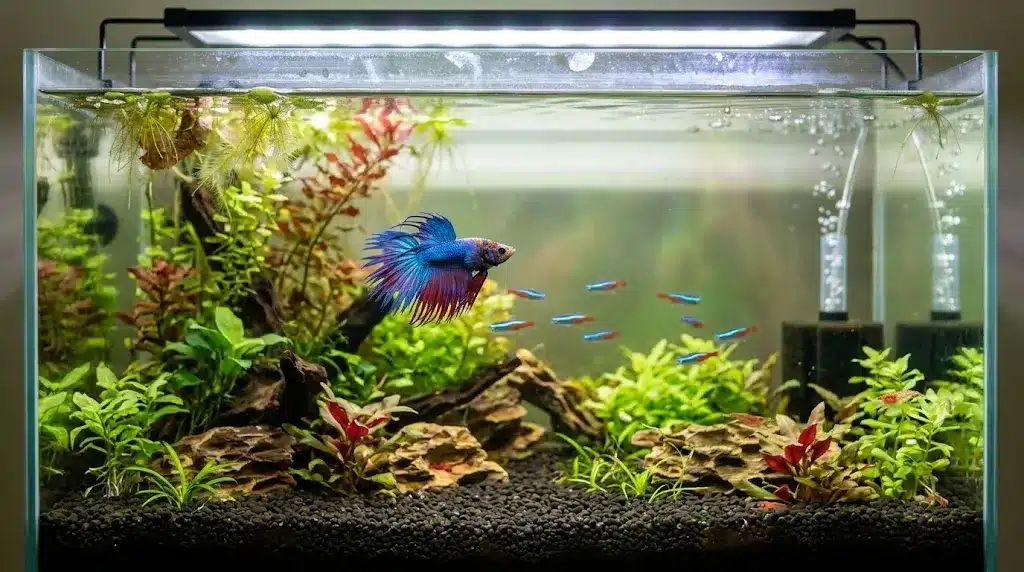
Ember tetras are tiny, colorful, orange-red fish that can work well with a calm betta in a planted aquarium. They are active but not usually aggressive, and their small size makes them less intimidating than larger tropical fish.
Keep at least six ember tetras together, preferably eight or more. Their constant movement can occasionally catch a betta’s attention, so dense plants and open swimming space both matter. Avoid mixing them with a betta that has already shown a habit of chasing small fish.
Kuhli Loaches
Kuhli loaches are long, slender, eel-like fish that spend much of the day hiding under driftwood, rocks, and plant roots. Because they are mostly active at night, they often avoid a betta’s daytime activity altogether.
Use a soft sand substrate or very smooth gravel, and provide tunnels or caves. Kuhli loaches need sinking food, such as community pellets, gel food, or frozen bloodworms. Do not rely on leftover betta food alone.
Small Peaceful Community Fish
Other fish that can live with betta fish include small, short-finned, peaceful community fish that need the same warm water. Options may include certain danios, small tetras, or calm rasbora species—but suitability depends heavily on your individual betta.
Avoid choosing a species simply because someone online says it worked once. A fish that is peaceful in one aquarium can become stressed, nippy, or overly active in another. Research adult size, temperature needs, schooling requirements, and behavior before you buy.
Fish That Should Never Live with Betta Fish
Some betta tank mates to avoid create problems because they nip fins, bully slower fish, need different water conditions, or grow too large. Do not assume that a fish is safe because a pet store keeps it near bettas.
Avoid these common choices:
- Another betta: Two male bettas will usually fight, sometimes with severe injury or death.
- Tiger barbs and other fin-nipping barbs: They may nip a betta’s long fins and create constant stress.
- Goldfish: They prefer cooler water, produce heavy waste, and are not ideal tropical community fish.
- Large gouramis: They can compete for the surface and behave territorially.
- Cichlids: Many are aggressive, territorial, or too large for a betta aquarium.
- Puffers: They can nip fins and often have specialized care needs.
- Red-tail sharks and similar territorial fish: They may chase or bully a betta.
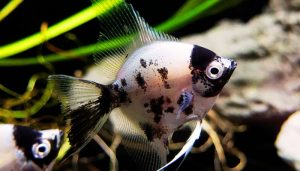
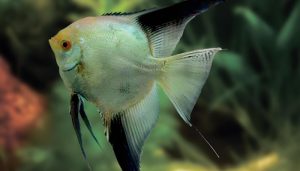
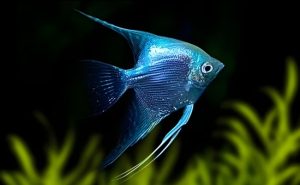
- Angelfish: Their size, long fins, and unpredictable temperament make them a risky match.
- Fancy guppies: A male guppy’s bright color and flowing tail can attract a male betta’s attention.
A larger fish is not automatically safer. A fish that is too large may injure a betta, eat all the food, or make the aquarium feel crowded.
What Is the Best Tank Size for a Betta Community Aquarium?
A betta fish community tank needs substantially more space than a single-betta setup. A 5-gallon aquarium can house one healthy betta, but it is usually too small for a group of fish, especially once you account for adult size, swimming room, filtration, and territory.
For most successful betta communities, plan on 15 to 20 gallons or more. A tank that is large enough gives fish room to swim away, reduces territorial disputes, and makes water quality easier to maintain.
| Tank size | Best use | Practical stocking guidance |
|---|---|---|
| 5 gallons | One betta only | Best for a single betta, plants, and perhaps a nerite snail |
| 10 gallons | One betta plus very limited company | May work with a small snail or carefully chosen shrimp; fish are risky |
| 15–20 gallons | A small, peaceful community | A betta plus a small school of compatible fish can work |
| 20+ gallons | More stable community setup | Better swimming space, more hiding spots, and more stocking flexibility |
A betta tank mates 5 gallon plan is usually limited to one betta and perhaps a snail. Do not add a school of fish to a 5-gallon tank just because the fish are small; small fish still produce waste and need room to swim.
For a best betta tank set up for betta and friends 20 gallon, use a gentle filter, a heater, live plants, driftwood, caves, and open swimming lanes. Keep the water warm and stable, and avoid overcrowding.
Can Male and Female Betta Fish Live with Other Fish?
A male betta fish can sometimes live with other species, but male and female bettas should not be housed together permanently. Pairing them is mainly for controlled breeding, and even then it requires close supervision.
Male bettas are usually more territorial than female bettas. They may tolerate calm tankmates, but they can also harass colorful fish, slow fish, or fish with flowing fins.
Female bettas can sometimes live together in a sorority, but this is an advanced setup—not an easy beginner project. A sorority needs a large tank, many hiding places, careful observation, and a plan to separate fish that bully others. Do not keep just 2 females together; a very small group often concentrates aggression rather than spreading it.
Never assume that a female betta is automatically peaceful. Personality varies by individual, and a female can still chase, nip, or stress tankmates.
How to Introduce New Fish to a Betta Tank Safely
The safest way to add tank mates is slowly, after the aquarium is mature and stable. Do not add several species at once, and do not add fish to a brand-new tank.
- Prepare the tank first. Cycle the aquarium, test the water, set the heater, and make sure the filter provides gentle flow.
- Add plants and hiding places. Use live plants, driftwood, caves, and dense cover so fish can break line of sight.
- Quarantine new fish when possible. This reduces the chance of introducing disease to your established betta.
- Acclimate properly. Float the bag, then slowly add small amounts of tank water over 15–30 minutes before releasing the fish.
- Add companions before the betta when possible. If you are setting up a new aquarium, let the other fish settle first; adding fish to an established betta’s territory can trigger a stronger response.
- Feed before introductions. A well-fed betta may be less focused on hunting or chasing.
- Watch closely for 14 days. Observe morning, evening, and after feeding. Separate fish immediately if injuries, relentless chasing, or severe hiding occurs.
Have a spare aquarium, divider, or rehoming plan ready before you buy anything. “I’ll see how it goes” is not a safe plan if your betta begins attacking its tankmates.
Signs Your Betta Fish Is Not Getting Along with Tank Mates
Some chasing during the first day can happen, but repeated aggression is not something to wait out. Watch for signs that the arrangement is failing.
Warning signs include:
- Torn, ragged, or missing fins
- Constant chasing, flaring, or cornering
- A betta that guards the surface or food
- Tankmates that hide all day or stop eating
- Missing shrimp or snails
- Stress stripes, clamped fins, lethargy, or rapid breathing
- Bite marks, damaged scales, or visible injuries
If you see these signs, separate the animals promptly. Do not wait for a serious injury. A betta may be curious for a day and calm the next, but ongoing aggression means the pairing is not working.
Can Betta Fish Live with Shrimp and Snails?
Can betta fish live with shrimp? Sometimes. A betta may ignore larger, well-hidden shrimp, but it may also view small shrimp as food. Cherry shrimp, ghost shrimp, and amano shrimp can work in a heavily planted tank, but success is not guaranteed.
For the best chance, use a mature planted aquarium with moss, dense plants, caves, and plenty of cover. Add several shrimp rather than one or two, and avoid tiny juvenile shrimp if your betta has a hunting personality.
Snails are often easier than shrimp. A nerite snail or mystery snail can live peacefully with many bettas, though a curious betta may nip at a mystery snail’s antennae. Avoid relying on snails to solve algae problems; they help, but they do not replace proper cleaning and feeding control.
Tips for Keeping Betta Fish with Other Fish Successfully
Successful fish keeping starts with matching the needs of every animal in the aquarium—not simply adding companions because they look good together.
- Put the betta first. If your betta is aggressive, stressed, or elderly, a solitary setup may be the kindest choice.
- Choose peaceful, short-finned species. Avoid flashy colors and long fins that can trigger chasing.
- Keep compatible water conditions. Bettas and their tankmates should prefer similar warm tropical temperatures and water quality.
- Use live plants and cover. Plants create shelter, reduce line of sight, and make the aquarium feel safer.
- Feed deliberately. Feed your betta near the surface and give bottom dwellers sinking food so everyone eats.
- Avoid overstocking. More fish means more waste, more competition, and less escape space.
- Observe daily. Personality can change after a move, during breeding behavior, or when a new fish enters the tank.
- Be ready to separate. A spare tank, secure divider, or trusted rehoming option protects every animal.
The ideal setup is not the one with the most fish. It is the one where your betta can swim, rest, eat, and hide without fear.
Best Betta Fish Tank Mates – FAQs
Can beta fish share a tank?
Yes, can beta fish share a tank is possible, but only with carefully chosen companions. A betta should never share a small tank with another betta, fin nippers, or fish that need different water conditions.
What fish can live with bettas?
Fish that can live with betta fish include corydoras, harlequin rasboras, ember tetras, neon tetras in a sufficiently large school, and kuhli loaches. Snails may also work, while shrimp depend on the individual betta.
Can betta fish live with shrimp?
Yes, but a betta may eat small shrimp. Cherry shrimp have the best chance in a dense, mature planted tank with lots of hiding places.
Can betta fish live with guppies?
Sometimes. Female guppies or plain, short-finned guppies may work in a larger aquarium, but fancy male guppies with bright colors and long fins often trigger chasing or nipping.
Can two male bettas live together?
No. Male bettas should not share the same aquarium because they are highly territorial and may seriously injure one another.
Can female bettas live together?
Female bettas can sometimes live in a sorority, but it requires experience, a large tank, dense cover, and constant monitoring. It is not a guaranteed peaceful setup.
Can a betta live with goldfish?
No. Goldfish need cooler water and produce a heavy bioload, while bettas need warm tropical water. Their care needs do not match.
Do bettas need tank mates?
No. A betta can live a full, healthy life alone. Tank mates are optional, not a requirement.
What is the minimum tank size for betta tank mates?
For fish, aim for at least 15 gallons, and 20 gallons is often a more comfortable starting point. A 5-gallon tank is best reserved for one betta and possibly a snail.
What should I do if my betta attacks a tankmate?
Separate them immediately. Use a divider or move one animal to another suitable aquarium, then reassess whether community keeping is appropriate for that betta.
Why can’t you touch betta fish?
Handling can remove their protective slime coat, causing stress, injury, and infection risk. Avoid touching unless necessary for health care.
Which gender betta fish is more aggressive?
Male bettas are usually more aggressive, especially toward other males.
How long do bettas take to mate?
Spawning may take several hours; eggs usually hatch in 24–48 hours.
Can male and female bettas live together?
Not permanently. Keep them together only for short, closely supervised breeding periods.
Can I put a female betta with other fish?
Yes. A female betta can often live with peaceful, non-fin-nipping fish such as corydoras, harlequin rasboras, ember tetras, and kuhli loaches in a sufficiently large planted tank. Female bettas are usually less aggressive than males, but temperament varies—watch closely for chasing, fin damage, or stress, and separate fish if needed.
Conclusion
Can a Betta Fish Live with Other Fish? Yes—but only when you put your betta’s personality, space, and safety ahead of a crowded aquarium. The best betta fish tank mates are calm, small, short-finned species such as corydoras, harlequin rasboras, ember tetras, and kuhli loaches, kept in a properly sized planted tank.
Avoid another betta, fin nippers, goldfish, large or aggressive species, and flashy long-finned fish. Start with a mature aquarium, add companions slowly, feed each species appropriately, and watch closely for stress or injury. If your betta cannot live peacefully with others, a solo planted tank is not a failure—it is often the healthiest choice. A compatible community can be beautiful, but a calm, secure betta matters more than filling every inch of the tank.
You might also like
- Why Do Betta Fish Need a Heater? – What’s The (Ideal Range!)
- A Closer Look at Betta Fish Behavior Before Death (Revealed)
- How Much Are Betta Fish Cost? (Ultimate Buyer’s Guide)
- What Size Tank for Betta Fish Is the Best? (Figure It Out!)
- How Big Do Betta Fish Get? (Unboxing 5 Giant Bettas Ever!)
- Alien Betta Fish: 7 Essential Care Tips (Beginner’s Guide)
- Can a Snail Live with a Betta: A Comprehensive Beginner Guide
- Keeping Neon Tetras and Betta Fish Together: (Do’s & Don’ts)