Why do Betta fish fights, and what can you do to stop them? Betta fighting fish fighting Behavior, Triggers & Solutions – dives into the aggressive nature of these stunning fish. Understanding their instincts is key to keeping them happy and safe.
Betta fish are naturally territorial, often fighting over space, mates, or perceived threats. Their aggression stems from genetics, environment, and stress factors.
This guide explores why they fight, what triggers their aggression, and how you can prevent conflicts.

But aggression doesn’t mean they can’t be housed peacefully. With expert insights from renowned aquarists, we’ll uncover practical ways to manage Betta behavior.
Let’s explore reasons of underground betta fish fighting tournament, and how to keep these feisty fish stress-free and thriving!
What Is Fighting in Betta Fish?
Fighting in betta fish refers to the aggressive interactions that occur primarily among male bettas. These encounters can escalate quickly, leading to serious injuries or even death.
During a fish fight, the bettas may display behaviors such as flaring their fins, biting, or nipping at each other. This aggressive behavior is often rooted in their territorial instincts, as male bettas are known to defend their space vigorously.
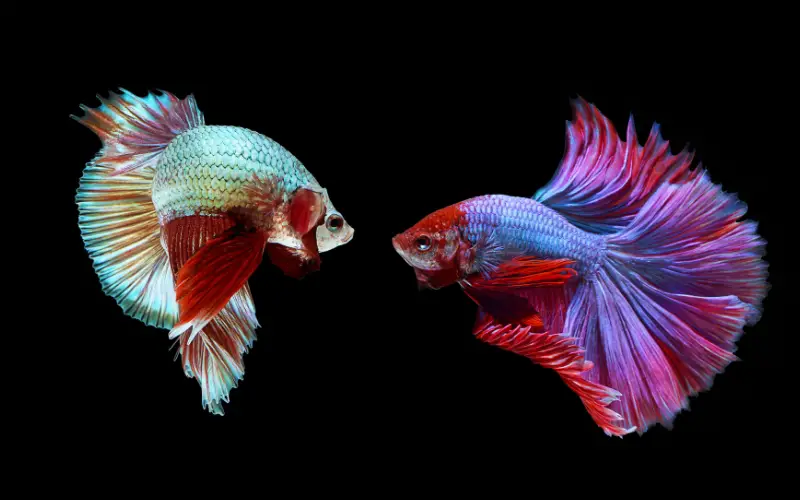
When placed in a confined environment, such as a small tank, their fighting behavior can become pronounced as they compete for dominance.
Understanding the fighting behavior in bettas is critical for maintaining a peaceful aquarium. When two male bettas encounter one another, they may engage in a ritualistic display of aggression, which can include swimming aggressively towards each other, flaring their gills, and exhibiting vibrant colors.
This behavior serves as both a warning and a challenge, often leading to physical confrontations if not managed properly.
In a community tank setting, it’s essential to monitor the dynamics between the fish, as aggressive interactions can quickly turn dangerous, leading to torn fins and stress among the fish.
Why Do Betta Fish Fight?
Betta might be aggressive and fight primarily due to their natural instincts and social behavior. Male bettas are inherently territorial and will aggressively defend their space from perceived threats, including other male bettas.
In the wild, these fish engage in fighting to establish dominance and access to resources, including food and mating opportunities.
When placed in an aquarium, particularly in betta tanks that are too small, their territorial aggression can lead to frequent fighting, making it essential for owners to understand these triggers.
Another reason bettas may exhibit aggressive behavior is the presence of a mirror or another reflective surface. Bettas are known to respond aggressively to their reflections, mistaking them for rival males.
This behavior can become problematic, as excessive exposure to mirrors can lead to prolonged stress and aggression. Additionally, factors such as overcrowding in the tank or the introduction of new fish can exacerbate the fighting behavior, making it vital for owners to create a stable and suitable environment for their bettas.
Signs of Fighting in Betta Fish
Recognizing the signs of fighting in betta fish is crucial for preventing severe injuries or stress. Common indicators include aggressive displays such as flaring fins, rapid swimming, and biting or nipping at each other.
If you observe one betta consistently chasing another, it may indicate a territorial dispute. Additionally, signs of physical harm, such as torn fins or a stressed appearance, should be taken seriously, as they can lead to more significant health issues if not addressed promptly.
Other signs to watch for include changes in behavior, such as retreating or hiding, which may indicate that a Siamese fighting fish is feeling threatened.
In some cases, you may notice a betta becoming less aggressive or more withdrawn, which can be a response to ongoing fighting.
Monitoring your betta fish fighting fish regularly for these signs is essential to ensure their well-being and to take action before the situation escalates into dangerous fighting behavior.
How to Stop Betta Fighting Fish Fighting (Best Solution)
To effectively stop fighting among betta fighting fish, it’s vital to implement strategies that reduce aggression and promote harmony.
One of the best solutions is to create an environment that minimizes territorial disputes. This can be achieved by providing ample space in the aquarium, ideally with a minimum of 10 gallons for a single male betta.
Introducing hiding spots and plants can also help reduce aggression by allowing fish to retreat and establish their territories without direct conflict.
Another effective way to manage fighting behavior is to separate aggressive bettas. Using a divider in a tank can create a safe space for each fish while allowing them to see each other, which can reduce aggression levels without direct contact.
Additionally, introducing non-aggressive fish species or forming a sorority of female bettas can help create a more balanced environment. It’s important to monitor the dynamics continually and be prepared to make adjustments to maintain peace in the tank.
What Can Be Done to Stop Male Betta Fish from Fighting Each Other?
Male betta fish, also known as Siamese fighting fish, are naturally aggressive fish, especially towards other males. To prevent betta fish fighting to death and ensure their well-being, follow these guidelines:
1. House Them Separately
- Male bettas should never be kept together in the same tank. They will fight, often resulting in injury or death.
- Use individual tanks or a divided tank with a solid, opaque barrier to prevent them from seeing each other.
2. Provide Adequate Space
- Ensure each betta has enough space in its own tank (at least 5 gallons). Overcrowding or small tanks can increase stress and aggression.
3. Avoid Reflective Surfaces
- Male bettas may mistake their reflection for another male and attack it. Use non-reflective tank backgrounds or avoid placing tanks near mirrors.
4. Limit Visual Contact
- If housing multiple male bettas in the same room, use dividers or place tanks far apart to prevent them from seeing each other.
5. Provide Hiding Places
- Even in individual tanks, include plants, caves, or decorations to reduce stress and provide hiding spots.
6. Avoid Overstimulation
- Keep the tank environment calm and avoid sudden movements or bright lights, which can stress the fish and trigger aggression.
7. Monitor Tank Mates
- Male bettas can also be aggressive toward other fish species. Choose peaceful, non-territorial tank mates if you plan to keep them in a community tank.
8. Maintain Water Quality
- Poor water conditions can increase stress and aggression. Regularly clean the tank and maintain proper water parameters (temperature, pH, etc.).
9. Avoid Overfeeding
- Overfeeding can lead to aggressive tendencies. Feed your betta a balanced diet in appropriate amounts.
10. Observe Behavior
- Watch for signs of stress or aggression, such as flaring, chasing, or damaged fins. Address any issues promptly.
By following these steps, you can minimize aggression and ensure a healthy, stress-free environment for your male betta fighting fish.
Remember: Female bettas are commonly kept in a small group, referred to as a “sorority” or “harem,” and specific fish can exhibit varying levels of aggression compared to their peers in a group, frequently resulting in a defined social order, and the best way to stop your Bettas from fighting is to only have one male betta per tank.
Conclusion
Understanding betta fish fights is essential for any owner looking to ensure a peaceful aquarium environment. Recognizing the triggers for aggressive betta behavior, such as territorial instincts and tank conditions, can help mitigate the risk of fighting. By observing the signs of aggression and implementing effective solutions, such as providing adequate space and hiding spots, pet owners can create a harmonious environment for their bettas. With the right care and attention, betta fish fighting fish can thrive, showcasing their beauty without the stress of your betta fish fighting to death, allowing you to enjoy these magnificent aquatic creatures as peaceful pets.
You might also like
- Are Wild Bettas Aggressive? 5 Solutions That Work (Guide)
- Can a Betta Fish Live with Other Fish? (10 Best Tank Mates)
- How Many Betta Fish in a 10 Gallon Tank? (Beginner’s Guide)
- TOP 5 Reasons Why Do Betta Fish Fight to Death (Solved)
- How Do Betta Fish Mate Without Killing Each Other? (Solved!)
- Where Do Betta Fish Live in the Wild? (5 Interesting Facts)
- What Makes Wild betta Types Unique? Species, Care & Breeding
- White Spot on Betta Fish: 7 Effective Ways to Treat Ich!
- Can You Keep 2 Female Betta Fish Together: Discover the Truth
- Female Betta Fish Sorority 101: (A Comprehensive Guide)
- 7 Reasons Betta Fish Flare Gills & (How to Handle It!