If you’ve ever observed a betta fish’s fascinating behavior, you might have noticed something truly remarkable—betta eggs in bubble nests. This unique ritual is a hallmark of their breeding process, showcasing the dedication and care these vibrant fish put into ensuring the survival of their offspring.
But what makes this bubble nest such an essential part of the betta’s life cycle?
To understand, we need to take a closer look at the intricate role the male betta plays during this extraordinary event.

As the female betta lays her eggs, the male steps into action with incredible precision. He swiftly collects each egg, gently securing it in the bubbles of the nest he meticulously prepared beforehand.
This nest not only keeps the eggs safe but also provides the optimal environment for them to develop, offering a glimpse into the marvels of aquatic parenting.
How to See Betta Eggs in Bubble Nest?
To see Betta eggs in a bubble nest, you will need to carefully observe the bubble nest constructed by the male Betta fish. Here is a step-by-step guide on how to do this:
Here’s how to spot those tiny betta eggs nestled amongst the bubbles:
- Patience is Key: It takes time for the male betta to build the nest and for the eggs to be laid. This process can take several hours or even days.
- Observe the Nest: Look closely at the bubble nest. You might be able to see small, dark specks within the bubbles. These are likely the betta eggs.
- Use a Flashlight: Shining a flashlight at an angle onto the nest can help illuminate the eggs and make them easier to see.
- Check After Spawning: If you know the spawning occurred, check the nest a few hours later. The eggs should be more visible as they settle into the bubbles.
Important Notes:
- Don’t Disturb the Male: Avoid disturbing the male betta while he’s building the nest or caring for the eggs. This can stress him out and may cause him to eat the eggs.
- Water Quality: Maintain good water quality to ensure the eggs’ survival. This includes proper filtration, regular water changes, and appropriate water parameters.
If you’re still unsure, you can always consult with an experienced betta keeper or a local aquarium specialist for further guidance.
Betta Fish Eggs in Bubble Nest: Understanding the Signs
A betta fish building a bubble nest is a fascinating sight. These nests, made of mucus-coated air bubbles, serve as a safe haven for betta fry. While a bubble nest often indicates a male betta’s readiness to breed, it can also be a sign of good health and well-being.
Understanding Bubble Nest Behavior:
- Breeding Preparation: The most common reason for bubble nest building is a male betta’s instinct to reproduce. He constructs the nest, gathers the pregnant betta fish bubble nest, and performs a courtship dance to entice her to lay eggs.
- Territorial Display: Bubble nests can also be a territorial display, especially if your betta lives with tank mates. The nest signifies his ownership of the space and can deter other fish from intruding.
- Stress Indicator: In some cases, bubble nest building can be a sign of stress. If your betta is experiencing unfavorable water conditions, overcrowding, or other stressors, he might resort to nest building as a coping mechanism.
Encouraging Bubble Nest Building:
If you want to encourage your betta to build a bubble nest, ensure he has a healthy environment:
- Optimal Water Conditions: Maintain a water temperature between 78-82°F (25-28°C) and a pH of 6.5-7.5. Regular water changes are also essential.
- Proper Tank Size: A minimum tank size of 5 gallons is recommended for bettas. Larger tanks provide more space for swimming and exploring, reducing stress.
- Live Plants: Live plants can provide hiding spots and enhance water quality, creating a more natural environment for your betta.
- Floating Objects: Bettas often build nests under floating objects like leaves or decorations. Providing these can encourage nest building.
Remember:
While bubble nests are a natural behavior for male bettas, it’s important to understand the context. If you’re not planning to breed your betta, you can still enjoy watching him build his nest. However, if you notice excessive nest building or other signs of stress, take steps to improve your betta’s living conditions.
By understanding the reasons behind bubble nest building, you can better appreciate your betta’s behavior and ensure his well-being.
Betta Bubble Nests: Is It a Good or a Bad Sign?
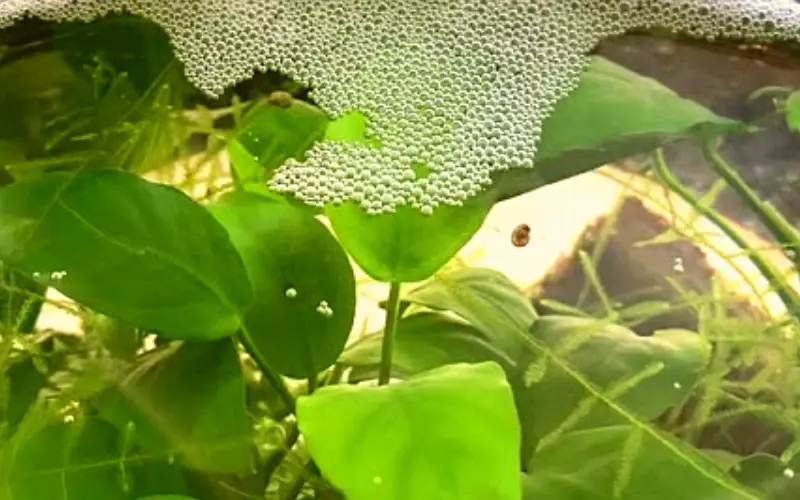
Bubble nests are an interesting phenomenon that can occur in betta fish tanks. Bettas nesting bubbles as part of their natural habitat. These nests are made up of bubbles that the fish blow and gather at the surface of the water, creating a raft-like structure.
Whether or not a bubble nest is a good or bad sign depends on the context. Generally, pregnant betta fish bubble nest building behavior is an excellent sign that your Betta fish is healthy and happy.
Bettas make bubble nests when feeling comfortable and secure in their environment. It’s a natural behavior that bettas exhibit when they are in breeding mode, and it’s a sign that your Betta is feeling content.
However, there are some instances where bubble nests can be a bad sign. For example, if your Betta is creating a bubble nest but is also showing other signs of stress, such as hiding or not eating, it could indicate that the environment is unsuitable for your Betta.
Additionally, if your Betta creates a bubble nest in a tank with no other fish or mates, it could signify frustration or boredom. Consider providing more stimulation for your Betta, such as adding plants or decorations to the tank.
Are Eggs Kept in Betta Bubble Nests?
Yes, in the breeding process of betta fish, the eggs are kept in bubble nests created by the male Betta. Male bettas are known for their ability to construct intricate bubble nests at the water’s surface using air bubbles and a sticky secretion produced in their mouths.
After the male and female bettas have gone through the courtship and mating ritual, the female fish releases her eggs, and the male fertilizes them externally by covering the eggs with his sperm. The eggs are then squeezed out of the female’s body, and the egg falls into the water.
The male Betta carefully collects the eggs in his mouth and fizzes them into the nest he has prepared earlier. The bubble nest acts as a floating structure that keeps the eggs together and provides a safe and controlled environment for their development.
It’s essential to maintain suitable tank conditions and provide proper nutrition for the breeding pair and their offspring to ensure the successful hatching and survival of the fry. Breeding bettas can be a fascinating and rewarding experience, but it requires careful attention and responsibility to guarantee the health and well-being of the fish involved.
The Process of Bubble Nest Building
Male bettas begin building bubble nests when they reach sexual maturity, typically around 3-4 months. The process usually starts with the male exploring the tank, scouting for potential nesting sites. Once a suitable location is found, the male Betta will create the nest by blowing air at the water’s surface.
The size and complexity of the bubble nest can vary from one Betta to another. Some males build relatively simple nests, while others construct intricate structures. The presence of the nest indicates that the male is ready to mate and is actively seeking a female companion.
Signs of Readiness: Male Betta Making a Bubble Nest
When a male betta is ready to mate, he will exhibit certain behaviors that indicate his readiness. One of the most apparent signs is making a bubble nest. The sight of bubbles on the water’s surface suggests that the male Betta is seeking a female partner for breeding.
The Role of Female Betta Fish
Once the bubble nest is complete, the male Betta will attempt to attract a female. When a receptive female betta is present, the male will engage in an elaborate courtship dance. If the female accepts his advances, they will embrace, and the male will encourage her to release eggs.
Caring for Betta Fish Eggs in Bubble Nest
Once the betta eggs are laid, the male Betta gently collects them in his mouth and places them into the bubble nest. He will diligently care for the eggs and keep them within the nest until they hatch. During this time, the male may appear more aggressive, defending the nest and warding off potential threats.
Ensuring a Healthy Environment
For successful betta breeding, providing a conducive environment for the fish is essential. Important factors include proper water parameters, appropriate tank size, and good water quality. Maintaining stable water conditions will support the development of the eggs and fry.
If the Bettas don’t have prior breeding experience, they may produce many unfertilized eggs. Unfortunately, this can lead to a situation where the male Betta may eat the eggs.
5 Tips for Successful Betta Breeding
- Observe the Betta’s Readiness: Before attempting breeding, ensure that the male Betta is actively building a bubble nest and that the female is receptive to mating.
- Provide Adequate Space: A spacious tank is essential for successful breeding, as it allows the female to escape if she feels overwhelmed by the male’s advances.
- Monitor Water Parameters: Regularly check and maintain the water parameters to ensure optimal conditions for the eggs and fry.
- Offer Nutritious Diet: A well-balanced diet is vital for both the breeding pair and the developing fry. Provide high-quality live or frozen foods to support healthy growth.
- Separate the Female After Spawning: Once the female Betta has released her eggs and the male has collected them, remove the female from the tank to prevent her from eating them.
How Does Breeding Occur In Bettas?
Breeding in betta fish, or Siamese fighting fish, involves the male Betta creating a bubble nest in the water. This nest serves as a safe place for the female Bettas to lay their eggs and for the males to fertilize them.
The process usually starts with the male betta fish making a bubble nest on the water’s surface. They create these nests by blowing bubbles and using their saliva to form a sticky substance that holds the bubbles together. The male betta fish will continue to add more bubbles to the nest until it is big enough to hold the laid eggs.
Once the bubble nest is complete, the male Betta will court the female betta fish. This involves the male Betta flaring his fins and displaying his bright colors to attract the female’s attention. If the female fish is receptive, she will approach the male, and they will begin to swim together.
When the female fish is ready to release eggs, she will lay them. The male Betta will then squeeze the eggs from the female’s body and catch them in his mouth. He will then transfer the eggs to the nest, where they will stick to the bubbles.
The male Betta will continue to guard and care for the nest, ensuring the eggs stay in place and are not eaten by any other fish in the tank. After a few days, the eggs will hatch, and the male Betta will continue caring for the fry until they can swim independently.
In conclusion, breeding in betta fish involves the male Betta creating a bubble nest, the female Betta laying her eggs in the nest, and the male Betta taking care of the nest and the eggs until they hatch into fry.
Why Do Betta Fish Make Bubble Nests?
Betta fish, scientifically known as Betta splendens, are known for their unique ability to create bubble nests. These nests are made up of carefully arranged bubbles on the water’s surface.
Male betta fish predominantly exhibit the behavior of building bubble nests, although some female bettas may also engage in this behavior under certain circumstances.
The primary reason why Betta fish build bubble nests is related to their reproductive instincts. In the wild, bettas are known to be bubble nest builders, and this behavior plays a crucial role in their breeding process.
When a male betta fish is ready to reproduce, it starts building a bubble nest as part of its courtship behavior to attract a female mate.
The bubble nest is a haven for the fertilized eggs and, later, the hatched betta fry. After the male and female betta fish engage in a courtship dance, the female releases her eggs, which the male fertilizes externally.
The male Betta then collects the laid eggs in his mouth and spits them into the nest. The bubbles in the nest provide buoyancy and keep the eggs together, preventing them from sinking or being scattered by water currents.
The male betta fish is responsible for guarding the bubble nest and ensuring its stability. He will diligently repair and maintain the nest, adding more bubbles as needed. The male Betta will stay near the bubble nest, watching the eggs until they hatch.
The male’s presence near the bubble nest also serves as a means of protecting the eggs and fry from potential predators. Betta fish are territorial, and the male fiercely defends his nest against intruders, ensuring the safety of his offspring.
The ability to build a bubble nest is often considered a sign of a healthy and sexually mature male betta. It indicates that the fish is in good condition and ready to reproduce. However, it’s important to note that not all male bettas will build bubble nests, and the absence of a bubble nest doesn’t necessarily indicate a problem with the fish’s health or well-being.
These nests provide a safe environment for the eggs and fry, and the male Betta’s presence near the nest ensures their protection. Creating a bubble nest is an instinct and a fascinating behavior exhibited by these remarkable fish.
Commonly Asked Questions about Keeping Your Betta Happy (FAQs)
How to tell if my betta fish has laid eggs in the bubble nest?
When the female Betta lays her eggs, the male Betta will catch them in his mouth and spit them into the bubble nest. You will see tiny white or translucent eggs stuck to the bubbles.
How do betta fish build bubble nests?
Male bettas build bubble nests by taking air from the water’s surface and blowing it into bubbles. They use their mouths to create and transport the bubbles to the nest, which they build under floating objects or at water level. This behavior is natural and instinctual for male bettas.
Do all betta fish build bubble nests?
No, not all betta fish build bubble nests. While it is an expected behavior among male bettas, some may not build nests due to various factors such as age, health, or environmental conditions. Female bettas do not build bubble nests.
What should I do if my betta fish doesn’t create bubble nests?
There’s no need to worry if your betta fish doesn’t create bubble nests. It doesn’t necessarily indicate a problem with your Betta’s health or well-being. Some bettas do not exhibit this behavior, which doesn’t affect their happiness or health.
How do bettas keep their eggs in the bubble nest?
Male bettas keep their eggs in the bubble nest by carefully tending to them. They continuously watch over the nest, blowing fresh bubbles and repairing damaged ones to ensure the eggs stay together and protected.
Are bubble nests a good sign of a healthy and happy betta fish?
While bubble nest-making is often associated with happy and healthy betta fish, it is not the sole indicator of their well-being. There are other factors to consider, such as appetite, activity level, and overall appearance. Bubble nest building can vary among bettas, so it’s essential to consider multiple aspects of their care.
How often should I change the water in a betta tank with a bubble nest?
Regular water tank changes are essential for maintaining a clean and healthy betta tank, even if a bubble nest is present. It is recommended to perform 25-50% water changes weekly to remove accumulated waste and ensure the water quality remains optimal for your betta fish.
Can female bettas build bubble nests?
Female bettas do not typically build bubble nests. Male bettas primarily exhibit this behavior as part of their natural breeding instincts.
Do betta fish lay their eggs in the bubble nest?
Female bettas lay their eggs in the bubble nest created by the male Betta. Once the male catches the eggs and spits them into the nest, the female’s role in the reproduction process is complete.
What do I need to know about betta bubble nests?
Betta bubble nests are a natural and instinctual behavior of male betta fish. They are used to protect and incubate the eggs until they hatch. While the presence of a bubble nest is generally a positive sign, it should not be the only factor considered when assessing the health and well-being of your betta fish.
How long does it take to hatch betta eggs?
Betta fish eggs typically hatch within 48-72 hours under ideal conditions. This includes proper water temperature (around 78-82°F) and oxygenation.
Conclusion
Betta fish are extraordinary creatures with unique behaviors, and betta eggs in bubble nest is a remarkable aspect of their reproductive process. Understanding the significance of bubble nests and providing the right environment is essential for successful betta breeding. Betta owners can enhance the chances of successful breeding by observing the male Betta’s readiness, offering adequate space, monitoring water parameters, providing a nutritious diet, and separating the female after spawning.
You might also like
- Betta Bubble Nest with Eggs: 5 Amazing Facts You Didn’t Know
- What Does a Betta Bubble Nest Look Like: A Surprising Truth!
- How Long Does a Betta Bubble Nest Last: (Shocking Truth)
- Destroying Betta Bubble Nest: 3 Main Causes & How to Prevent
- Natural Habitat for Betta Fish: 7 Tips for A Happy Fish
- How Long Does It Take for Betta Eggs to Hatch: (Must-Read)
- Do Bettas Make Bubble Nests When Happy: (Shocking Truth)
- 7 Reasons Betta Flare Its Gills & (How to Handle It!)
- Do Betta Fish Bites Hurt: Teeth & Tendencies Explained!