Are malaysian trumpet snails good or Bad? In the aquarium hobby, the Malaysian trumpet snail (MTS) often sparks debate among enthusiasts.
Some view these snails as beneficial additions to their aquatic environment, while others consider them a nuisance.
This article will explore the benefits and drawbacks of keeping Malaysian trumpet snails, providing insights into whether they are pets or pests.
Aquarium hobbyists are always looking for the perfect balance—creatures that are fascinating to observe, contribute to a healthy ecosystem, and don’t cause havoc in a carefully curated environment.
Enter the Malaysian Trumpet Snail, a little critter that has stirred up big debates in the aquatic community.
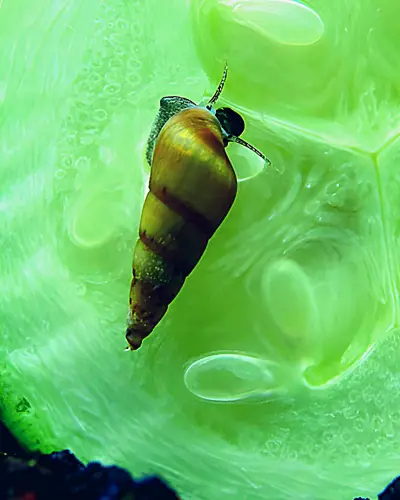
Join us as we delve into the pros and cons of keeping Malaysian Trumpet Snails, explore their impact on tank environments, debunk myths, and help you decide whether these intriguing invertebrates are friends or foes in your aquarium journey.
Are Malaysian Trumpet Snails Good for Aquariums?
Are trumpet snails good for aquarium? Malaysian trumpet snails are often debated among aquarium hobbyists regarding their role as either pets or pests.
Malaysian Trumpet Snails are beneficial for aquariums; they aerate substrate, eat debris, and prevent gas buildup, but can overpopulate if overfed.
On one hand, they are known for their ability to aerate the substrate, which can benefit planted tanks by promoting healthy root systems for live plants.
Additionally, MTS contribute to the ecosystem by consuming leftover food and soft algae, which helps maintain water quality. However, if their population is left unchecked, they can quickly get out of control, leading some aquarists to classify them as pest snails.
Ultimately, whether Malaysian trumpet pond snails are considered beneficial or problematic largely depends on the specific circumstances of the aquarium.
In the context of an aquarium, the trumpet snail can be a mixed blessing. They can thrive in various tank sizes and environments, making them a resilient choice for many hobbyists.
Their burrowing behavior plays a vital role in preventing anaerobic conditions in the substrate, which is especially important in densely planted tanks. However, if the snail population explodes, it may overpower the tank’s ecosystem, leading to increased waste and competition for resources. Therefore, understanding and managing their population is crucial for maintaining a balanced aquarium.
Benefits of Malaysian Trumpet Snails
Malaysian Trumpet Snails (Melanoides tuberculata) are popular in the aquarium hobby due to their beneficial qualities. Here are some of the key benefits they offer:
- Substrate Aeration: These snails burrow into the substrate, which helps to aerate it. This prevents the buildup of harmful gases like hydrogen sulfide and promotes a healthier environment for plant roots and beneficial bacteria.
- Detritus Management: Malaysian Trumpet Snails are efficient scavengers. They consume leftover food, decaying plant matter, and other organic debris, helping to keep the tank clean and reducing the load on the filtration system.
- Algae Control: While they are not as effective as some other snail species, they do consume algae, contributing to the overall cleanliness of the tank.
- Indicator Species: These snails can serve as bioindicators. If their population suddenly increases, it might indicate overfeeding or excess organic waste in the tank, prompting you to adjust your maintenance routine.
- Low Maintenance: Malaysian Trumpet Snails are hardy and require minimal care. They can thrive in a wide range of water conditions and do not need special diets.
- Nocturnal Activity: They are primarily active at night, which means they perform their cleaning duties without interfering with the daytime activities of other tank inhabitants.
- Compatibility: These snails are generally peaceful and can coexist with a variety of tank mates, including fish, shrimp, and other snails.
- Reproduction Control: While they reproduce readily, their population tends to self-regulate based on the available food supply. Overpopulation is usually a sign of overfeeding.
- Aesthetic Appeal: Their unique, conical shells and burrowing behavior can add an interesting dynamic to the aquarium, making them a visually appealing addition.
- Biological Balance: By participating in the decomposition process and nutrient cycling, they contribute to the overall biological balance of the aquarium ecosystem.
Overall, malaysian trumpet snails may be a valuable addition to a freshwater aquarium, helping to maintain a clean and healthy environment while adding to the tank’s biodiversity.
Why are Malaysian Trumpet Snails so hard to get rid of?
Malaysian trumpet snails are notoriously hard to get rid of due to their prolific breeding capabilities and adaptability to various environments. They can reproduce rapidly, with females capable of laying dozens of eggs at a time. This high reproductive rate can lead to a significant snail population in a short period.
Additionally, MTS can thrive in a wide range of water conditions, making them difficult to eliminate once they’ve established themselves in an aquarium. Their ability to burrow into the substrate further complicates removal efforts, as they can hide from predators and traditional removal methods.
Another factor contributing to their persistence is their diet. Malaysian Snails Plus Ramshorn Snails are scavengers, feeding on leftover food, decaying plant matter, and algae. As a result, they can survive in tanks with limited maintenance or care, making them even harder to eradicate.
Furthermore, introducing predators like assassin snails can sometimes backfire, as MTS may still thrive in the substrate while the assassin snails focus on larger pest snails. This adaptability makes them a resilient presence in any aquarium, often leading hobbyists to seek alternative methods for population control.
Why Should you Get Rid of Malaysian Trumpet Snails?
There are several reasons why aquarists may want to get rid of Malaysian trumpet snails. Although they have beneficial traits, their ability to reproduce quickly can lead to an overpopulation issue.
An excessive snail population can result in increased competition for resources, affecting the health of the aquarium’s ecosystem. This competition can negatively impact other inhabitants, such as fish and shrimp, as they may struggle to find adequate food.
Furthermore, a large number of snails can lead to an unsightly tank, detracting from the visual appeal of a well-maintained aquarium.
Additionally, while trumpet snails are generally harmless, their presence can sometimes indicate underlying problems in the tank, such as overfeeding or poor water quality.
If aquarists notice a sudden spike in MTS numbers, it may serve as a warning sign that the aquarium requires attention. In such cases, addressing the root cause of the problem is essential, and removing excess MTS may be part of a broader strategy to restore balance to the aquarium. Thus, controlling their population can contribute to a healthier aquatic environment.
How to get rid of Malaysian Trumpet Snails?
There are several effective methods for controlling the population of Malaysian trumpet snails in your aquarium. One of the most straightforward approaches is to reduce feeding, as overfeeding often leads to an increase in snail populations.
By feeding fish and other tank inhabitants only what they can consume in a few minutes, aquarists can limit the amount of leftover food available to snails. Additionally, regularly performing water changes can help maintain water quality and control snail populations by removing eggs and juvenile snails that may have hatched.
Another option is to introduce natural predators, such as assassin snails, which specifically target pest snails while leaving beneficial ones unharmed. However, caution should be exercised, as the introduction of new species can have unforeseen consequences on the tank’s ecosystem.
Manual removal, using a snail trap or simply picking them out during maintenance, can also be effective. It’s essential to remain vigilant and monitor the snail population regularly to ensure that it remains within acceptable limits, creating a more balanced environment for all tank inhabitants.
Malaysian Trumpet Snail Care Is Easy
Trumpet snail care is relatively easy, making them a popular choice for both novice and experienced aquarists. They thrive in a variety of water conditions and can adapt to different tank sizes, which makes them suitable for many types of setups, including planted tanks.
Their diet primarily consists of decomposing organic matter, leftover fish food, and soft algae, which means they help keep the aquarium clean. Because MTS are nocturnal and tend to burrow in the substrate during the day, they require minimal interaction, allowing aquarists to enjoy the benefits of their presence without needing extensive care.
In addition to their low-maintenance requirements, trumpet snails contribute positively to the health of the aquarium substrate. By aerating the substrate, they help prevent anaerobic pockets that can lead to harmful gas buildup.
This behavior is especially beneficial in heavily planted tanks, where the roots of live plants can thrive in well-oxygenated soil. Overall, providing a stable environment with proper water parameters and occasional food will ensure that Malaysian trumpet snails can thrive, making them a valuable addition to many aquariums without requiring extensive snail care efforts.
Conclusion
In conclusion, whether Malaysian trumpet snails are considered pets or pests largely depends on individual aquarium circumstances and management strategies. They offer numerous benefits, including algae eating, substrate aeration, and scavenging leftover food, which can contribute positively to the aquarium’s ecosystem.
However, their ability to reproduce rapidly may lead to overpopulation, prompting some aquarists to view them as pests. By understanding their behavior and implementing effective population control methods, aquarium enthusiasts can enjoy the benefits of Malaysian snails while minimizing any potential drawbacks, ensuring a balanced and thriving aquatic environment.
Ultimately, the decision to keep Malaysian trumpet snails should be informed by your specific aquarium needs and goals. If managed properly, they can serve as valuable contributors to the overall health of the tank, helping to create a better experience for all its inhabitants. With proper care and attention, Malaysian trumpet snails can coexist harmoniously with other species, enriching the aquatic landscape while fulfilling their role as both pets and essential members of the aquarium ecosystem.
You might also like
- Australian Trumpet Snails 101: Ultimate Syrinx Aruanus Guide
- How Big Do Malaysian Trumpet Snails Get: (Expert Guide)
- How Fast Do Malaysian Trumpet Snails Breed: (Ultimate Guide)
- Malaysian Trumpet Snails Eggs 101: (How to Identify & Care)
- How to Get Rid of Malaysian Trumpet Snails! (3 Proven Ways)
- Can Trumpet Snails Live Out of Water: (Answered)
- Breeding Trumpet Snails in Aquariums: Complete Beginner’s Guide
- Malaysian Trumpet Snail Infestation: (4 Secrets to Control!)
- Do Malaysian Trumpet Snails Clean Aquariums: (5 Myths DEBUNKED!)
- Tarebia Granifera Aquariums 101: (A Comprehensive Guide!)
- Spot Malaysian Trumpet Snail Baby With These 3 Easy Clues!
- Malaysian Trumpet Snails tank Size: 5 HUGE facts you NEED to know