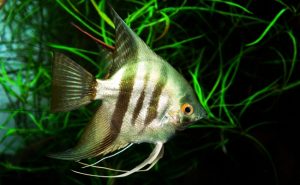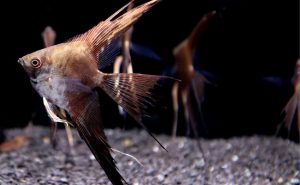
Are angelfish saltwater fish? If you’re planning to add these stunning fish to your aquarium, knowing their ideal habitat is crucial. But do they thrive in saltwater or freshwater? Let’s dive into their natural environment and find out!
Angelfish belong to two distinct categories: freshwater and saltwater. Freshwater angelfish (Pterophyllum) are native to the Amazon Basin, while marine angelfish (Pomacanthidae) inhabit tropical coral reefs. Knowing the difference is key to providing the right care for these species.
Confused about which angelfish suits your tank? Don’t worry—marine biologists like Dr. Paul Loiselle emphasize the importance of species-specific care. So, let’s explore everything you need to know about their habitat, diet, and aquarium setup!
Are Angelfish Saltwater Fish?
Angelfish are a diverse group of fish that include both saltwater and freshwater species. The most commonly known saltwater angelfish belong to the family Pomacanthidae, which are primarily found in tropical and subtropical oceans.
Salt water angelfish are highly sought after for marine aquariums due to their bright orange colors and intricate patterns. In contrast, freshwater angelfish, often referred to as freshwater angelfish, are a popular choice for home aquariums.
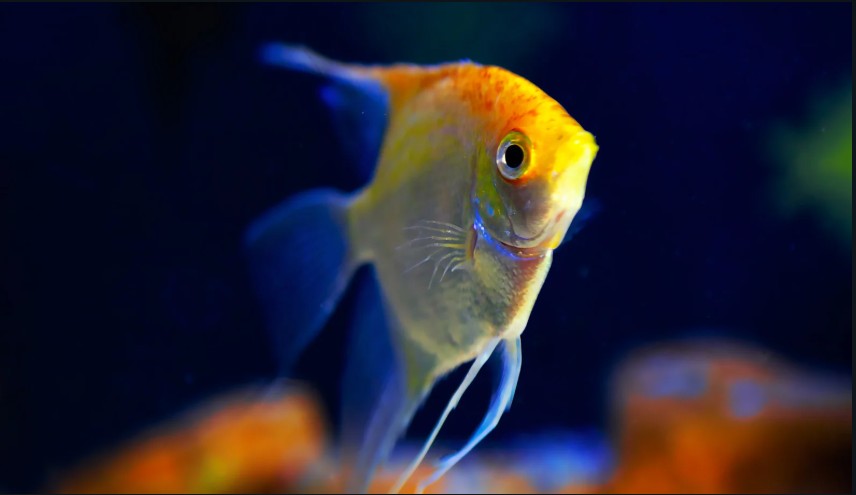
While both types of angelfish share similarities, their habitat requirements differ significantly, which is essential for aquarists to understand.
Angelfish make stunning enhancements to any freshwater aquarium. These sociable fish gracefully move through the water, displaying their elongated, exquisite dorsal and anal fins and distinctive markings. When you visit an aquarium or pet shop to observe them, they frequently swim to the front, eager to welcome you with a flick of their fins.
When considering the care of angelfish, it is vital to note that marine angelfish, require specific water conditions, including salinity levels and temperature ranges. These fish can adapt well to their environments, but the appropriate tank setup is crucial for their health and longevity.
Many aquarists enjoy keeping saltwater angelfish in reef tanks, where they can coexist with various other aquatic species, including invertebrates and smaller fish. Consequently, it is essential to research the specific needs of the angelfish species being considered to ensure a thriving aquatic environment.
Can Angelfish Survive in Freshwater?
While saltwater angelfish are specifically adapted to marine environments, freshwater angelfish can thrive in freshwater conditions. Freshwater angelfish are a popular choice among beginners due to their hardiness and ability to adjust to a range of water parameters.
They typically inhabit slow-moving waters in their natural habitat, where they seek out hiding places and abundant vegetation. In captivity, these freshwater fish can be kept in a well-maintained aquarium with clean water and appropriate hiding spots for their comfort.
It is important to note that angelfish may also exhibit territorial behavior, especially during breeding. Therefore, providing adequate space and hiding places in the tank is crucial to minimize stress and aggression.
Moreover, freshwater angelfish are known to thrive in community tanks, where they can coexist harmoniously with other compatible fish species.
Overall, while both saltwater and freshwater angelfish have their unique requirements, careful attention to their habitat can lead to a successful and enjoyable aquarium experience.
What Angel Fish Is Reef Safe?
When considering angelfish for a reef tank, it is essential to choose species known to be reef safe. Some angelfish, particularly certain types of saltwater angelfish, may exhibit behaviors that can harm coral or other invertebrates in the aquarium.
For example, larger angelfish may nibble on sponges, clams, or corals, which can lead to significant damage in a delicate reef ecosystem. Selecting smaller angelfish species that are known to coexist peacefully with corals is advisable for maintaining a balanced and healthy marine environment.
Species such as the Coral Beauty Angelfish and the Flame Angelfish are often recommended for reef tanks due to their relatively peaceful demeanor and lower likelihood of damaging coral.
These smaller fish can add vibrant color and personality to the aquarium while minimizing potential threats to the coral inhabitants. Ensuring that the chosen angelfish species is compatible with other tank occupants is crucial for a thriving reef tank, as it promotes a harmonious aquatic community.
Are Saltwater Angelfish Hard to Keep?
Salt water angelfish are often considered more challenging to care for than their freshwater counterparts. These marine fish require stable water conditions, including precise salinity levels, temperature control, and proper filtration to thrive.
Additionally, they may be sensitive to changes in their environment, which can lead to stress and health issues. For novice aquarists, it may be advisable to gain experience with hardier species before attempting to keep larger angelfish, which tend to demand more specialized care.
While marine angelfish are hardy in their own right, they do require a suitable environment with plenty of hiding places and swim space. A well-planned aquarium setup that mimics their natural habitat will significantly enhance their well-being.
Furthermore, maintaining a quarantine process for new fish is recommended to prevent potential diseases from affecting existing tank inhabitants. With proper knowledge and preparation, keeping saltwater angelfish can be a rewarding experience for dedicated aquarists.
High Quality Saltwater Aquarium Fish
When selecting fish for a saltwater aquarium, quality is paramount. High-quality salt water angelfish are typically sourced from reputable pet stores or specialized breeders, ensuring they are healthy and disease-free.
Investing in quality fish not only increases the chances of successful acclimatization but also promotes a vibrant and thriving aquarium ecosystem. Additionally, understanding the specific needs of each angelfish species can aid in creating a balanced community tank that features compatible fish species, invertebrates, and live rock.
Incorporating high-quality saltwater angelfish into a marine aquarium can elevate the aesthetic and ecological value of the tank. By carefully selecting fish that are known to thrive together, aquarists can create a visually stunning and harmonious underwater environment.
Regular monitoring of water parameters, along with proper feeding and care routines, will further enhance the health of the aquarium ecosystem. Ultimately, high-quality saltwater fish contribute to a dynamic and engaging experience for both the aquarist and the aquatic life within the tank.
What Kind of Angelfish Are Saltwater?
Marine angelfish are a diverse group of marine fish known for their vibrant colors and unique patterns. Below are the species you mentioned, categorized as saltwater angelfish:
Pygmy Angelfish (Centropyge)
- These are small, colorful angelfish commonly found in coral reefs.
- Examples: Flame Angelfish (Centropyge loricula), Coral Beauty Angelfish (Centropyge bispinosa).
French Angelfish (Pomacanthus paru)
- A larger species of marine angelfish, known for its striking black and yellow coloration.
- Found in the Atlantic Ocean, often near coral reefs.
Angelfish Genicanthus
- Also known as swallowtail angelfish, these are unique for their elongated tail fins and sexual dimorphism (males and females look different).
- Examples: Watanabe Angelfish (Genicanthus watanabei), Lamarck’s Angelfish (Genicanthus lamarck).
Gray Angelfish (Pomacanthus arcuatus)
- A larger angelfish species with a grayish body and yellow accents.
- Commonly found in the western Atlantic Ocean.
Coral Polyps
- While not angelfish, coral polyps are often associated with marine angelfish habitats, as many angelfish species feed on or live near coral reefs.
Angelfish Centropyge
- This genus includes the pygmy angelfish, which are small, colorful, and popular in the aquarium trade.
- Examples: Lemonpeel Angelfish (Centropyge flavissimus), Fisher’s Angelfish (Centropyge fisheri).
All of these species are saltwater angelfish and are typically found in tropical and subtropical marine environments, often around shallow reefs. They are popular in the aquarium trade but require specific care due to their sensitivity to water conditions and diet.
Conclusion
In conclusion, understanding whether angelfish are saltwater fish or freshwater fish is essential for any aspiring aquarist. With their diverse species and specific habitat needs, queen angelfish can thrive in both environments when provided with the appropriate care. Whether opting for saltwater angelfish for a marine aquarium or freshwater angelfish for a home aquarium, knowledge of their requirements is key to maintaining their health and well-being. By selecting the right species and ensuring a suitable habitat, aquarists can enjoy the beauty and charm that angelfish bring to their aquatic landscapes.
Ultimately, whether you are a novice or an experienced aquarist, your journey with angelfish can be immensely rewarding. Their vibrant colors, intriguing behaviors, and adaptability make them a compelling choice for any aquarium enthusiast. With proper research and commitment, you can create an ideal habitat that allows these magnificent fish to flourish, enriching your aquarium experience and captivating all who behold them.
Recommended posts
- Saltwater Angelfish Species: Colors, Sizes & Compatibility
- The Complete Guide to Angelfish Tank Setup and Breeding Tips
- Best Angelfish Plants for Happy Fish – Aquarium Care Tips
- Are Angelfish Schooling Fish: (Do They Swim in Groups!)
- Angelfish Different Types: Stunning Varieties for Your Tank
- Peruvian Altum Angelfish Care Guide – Habitat & Tank Setup
- Emperor Angelfish Fish: A Complete Guide for Beginners
- 7 Best Angelfish Reef Safe for Your Tank – A Complete Guide
- Flame Angel fish – A Captive Bred Fish for Reef Chasers
- Resplendent Angelfish: A Stunning Beauty of the Ocean Depths