Are angelfish hardy fish? Care Tips for a Thriving Aquarium. If you’re considering adding these elegant aquarium fish to your tank, you might wonder—are they easy to care for? Understanding their needs is crucial for keeping them healthy and vibrant.
Angelfish are moderately hardy, but they require stable water conditions and proper care.
With the right tank setup, balanced diet, and compatible tank mates, they can thrive for years. Experts like Dr. Paul Loiselle emphasize that maintaining clean water and a stress-free environment is key to their longevity.
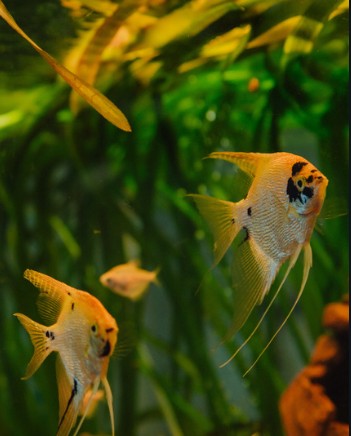
But that’s just the beginning! From ideal tank parameters to essential diet tips, this silver angelfish care guide will walk you through everything needed for a thriving fish aquarium.
Let’s dive into the world of angelfish needs and ensure your tank is set up for success.
Are Angelfish Hardy Fish?
Are angelfish hard to keep? Angelfish are generally considered hardy fish, but there are nuances to their hardiness that aquarists must understand. While they can adapt to a variety of water tank conditions, they do thrive best in stable environments.
Freshwater angel fish care involves maintaining consistent water parameters, including pH and temperature, to ensure their health. Even though angelfish can withstand some fluctuations, extreme changes can stress them out and make them susceptible to diseases.
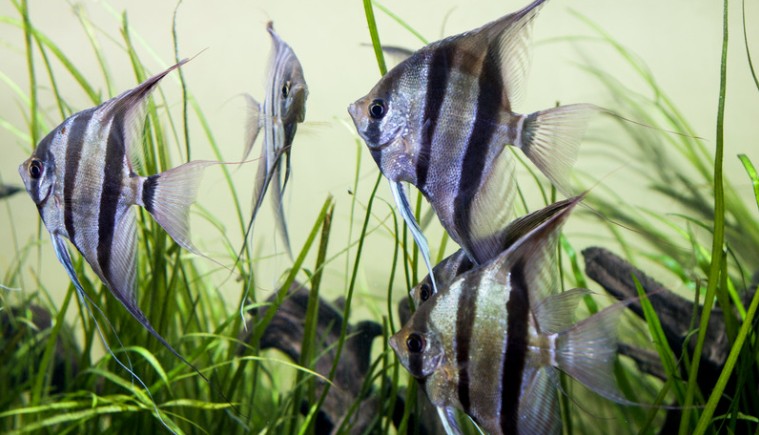
It is crucial for aquarists to regularly monitor their aquarium water using a test kit to ensure that it remains suitable for these elegant fish.
Additionally, angelfish (genus pterophyllum) are territorial, especially during breeding periods, which can lead to conflicts with tankmates. Providing ample space, hiding spots, and driftwood can help reduce aggression and create a more peaceful environment.
While adult angelfish are hardy, they still require specific care to flourish. Regular water changes are essential to maintain water quality and reduce algae growth, ensuring that angelfish can thrive in a healthy aquarium ecosystem.
How Hardy Are Angel Fish?
The hardiness of angelfish can vary depending on their specific type and the conditions in which they are kept. Freshwater angelfish, such as the scalare and altum, are known to be more adaptable than other cichlid species.
However, they still require appropriate tank mates and a stable environment to thrive. Angelfish tend to be sensitive to poor water conditions, which can lead to stress and illness.
As such, they need well-filtered water and regular maintenance to keep their environment clean. Additionally, while they can coexist with smaller fish like tetra and cory catfish, it’s essential to monitor interactions to prevent aggression.
In terms of diet, angelfish are omnivores and require a balanced intake of flake, pellet, and live foods such as brine shrimp, worms, and small crustaceans. This diverse diet supports their immune system and overall health.
Providing a varied diet will help ensure that angelfish remain hardy and vibrant. While they are resilient, the success of keeping angelfish in an aquarium ultimately depends on the aquarist’s commitment to maintaining proper care and conditions.
Are Angel Fish Good for Beginners?
Angelfish can be a suitable choice for beginners, but they do require specific care that might be challenging for novice aquarists. While they are relatively easy to care for compared to other cichlids, understanding their social behavior and tank requirements is essential.
An aquarium that is at least a 20 gallon tank is recommended to provide enough space for these beautiful fish. Beginners should also be aware that angelfish can be territorial and may display aggression towards less assertive tankmates.
Therefore, choosing peaceful fish, such as dwarf cichlids or certain types of catfish, can create a more harmonious community tank.
Moreover, new aquarists should familiarize themselves with the basics of freshwater angelfish care, including water changes and monitoring water conditions. It’s advisable to start with a quarantined fish’s tank to prevent the introduction of diseases.
A solid understanding of their needs and behaviors will greatly enhance the chances of success for beginners. By ensuring a stable environment and proper tank mates, beginners can enjoy the beauty and elegance of angelfish in their home aquarium.
Tank Requirements and Appropriate Tank Mates:
Creating an ideal tank environment for angelfish involves more than just providing sufficient space; it also requires careful consideration of tank mates. Angelfish thrive in a well-planted aquarium, which mimics the angelfish natural habitat.
The substrate that you can buy from your near by local pet store should be soft to avoid damage to their delicate fins, and decorations like driftwood can provide hiding spots and territories for angelfish. When selecting tankmates, it’s crucial to choose species that are not overly aggressive or territorial, as this can lead to stress and aggression among fish.
Some suitable tankmates for angelfish include cory catfish, which forage along the bottom, and a variety of peaceful tetras. However, it’s wise to avoid pairing them with smaller fish that may be seen as prey, or overly aggressive species of fish like betta fish.
Additionally, ensuring that the aquarium water is clean and well-filtered will help prevent disease and stress among all inhabitants. By carefully selecting tankmates and maintaining a healthy environment, aquarists can promote the well-being of their angelfish and create a thriving aquarium.
What Is the Hardiest Angelfish?
When considering hardiness among cichlidae angelfish, the scalare variety is often regarded as the most resilient. This species of angelfish is well-adapted to a range of freshwater conditions and is known for its ability to thrive in various environments.
While all angelfish require specific care, scalare angelfish are particularly forgiving of minor fluctuations in water parameters. Their robust nature makes them an excellent choice for both beginners and experienced aquarists looking to maintain a diverse community tank.
In contrast, species like the altum angelfish are less hardy and require more precise water tank conditions. Thus, choosing the right type of angelfish is crucial for ensuring a thriving aquarium.
Regardless of the species, establishing a stable environment with regular water changes and a balanced diet is essential. The hardiest angelfish can still fall prey to stress and disease without proper care. Therefore, understanding their specific needs will help aquarists maintain a vibrant and healthy aquarium environment.
Conclusion
Are freshwater angelfish hardy? In summary, angelfish are generally hardy fish that can thrive in well-maintained freshwater aquariums with appropriate care and conditions. While they are suitable for beginners, they still require a solid understanding of their needs, including tank requirements and compatible tank mates. Regular water changes, monitoring water conditions, and providing a balanced diet are essential components of angel fish care. By taking the time to learn about these beautiful fish and their specific requirements, aquarists can create a thriving aquarium that showcases the elegance and charm of angelfish. Ultimately, the success of keeping angelfish lies in the commitment to proper care and the creation of a harmonious aquatic environment for breeding angelfish.
Recommended posts
- Best 10 Gallon Angelfish Tank Setup – Tips & Essentials
- Best Tips for Taking Care of Angelfish in Your Aquarium
- Can Angelfish Live Alone? (Pros & Cons Explained)
- Red Devil Angel fish: Habitat, Diet & Tank Requirements