Are angelfish aggressive? If you’re setting up a peaceful aquarium, this question is crucial. While these elegant fish are stunning, their temperament can be unpredictable. How do you ensure harmony in your tank?
Angelfish can show aggression, especially during breeding or if they feel territorial. Their behavior depends on factors like tank size, tank mates, and overall environment. With the right setup, you can minimize conflicts and maintain a balanced aquarium.
Understanding angelfish behavior is key to a peaceful tank. Experts like Dr. Paul Loiselle emphasize proper tank conditions and compatible species. Let’s dive into the best tips for a thriving, aggression-free angelfish aquarium!
Are Angelfish Aggressive Fish Species?
Angelfish, belonging to the cichlid family, can exhibit aggressive behavior, particularly during specific situations such as breeding or when they feel their territory is threatened.
While they are not inherently aggressive fish species, certain factors can trigger aggression in angelfish. For instance, a lack of space in the tank can lead to competition among fish, resulting in bullying and territorial disputes.
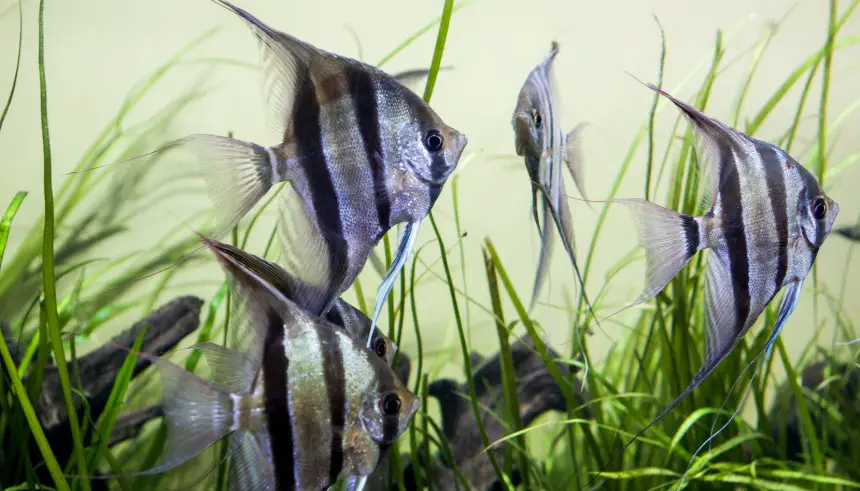
Furthermore, angel fish may become aggressive if they feel their environment is overcrowded or if their tankmates are not suitable companions. Understanding these dynamics is essential for aquarists looking to maintain peace within their aquarium.
To ensure that angelfish remain less aggressive, it’s important to provide ample swimming space and hiding spots in the tank. A well-planned aquarium setup with plants, rocks, and decorations can help angelfish establish a sense of security, reducing their inclination to act aggressively.
Regular monitoring of their behavior during feeding times and observing interactions with tankmates can also provide insight into their aggression levels. By creating a balanced environment, aquarists can enjoy the beauty of freshwater angelfish without the stress of aggression.
What Causes Angelfish Aggression?
Several factors can contribute to angelfish aggression, with the most significant being territorial behavior. Wild Angelfish are known to establish territories within their aquarium, and when they feel their space is invaded, they may act aggressively to defend it.
This territorial instinct can be heightened during breeding periods when a pair is preparing to lay eggs. Additionally, angelfish may become aggressive if they perceive competition for food, especially during feeding time. The introduction of new fish into the tank can also trigger aggressive responses, as established fish may feel threatened by newcomers.
Another contributing factor to angel fish aggression is the presence of unsuitable tankmates. Fish species that are too small or timid may become targets for bullying, while larger fish might provoke defensive behavior.
To minimize aggression, aquarists should research compatible species before adding them to a community tank.
Maintaining optimal water quality and temperature can also play a crucial role, as stressed fish are more likely to exhibit aggressive behaviors. By understanding these causes, aquarists can take proactive measures to prevent aggression in their angelfish.
Do Angelfish Get Along with Other Fish Species?
Angelfish can coexist peacefully with several other fish species, but compatibility largely depends on the individual fish’s temperament and the aquarium setup.
Community tanks can be successful if properly planned, featuring fish that are not overly aggressive and can withstand the same water conditions.
Species such as tetras and guppies can thrive alongside angelfish, provided they have enough space to swim and hide. However, caution should be exercised when introducing new tankmates, as angelfish may see them as competition or potential threats.
It is crucial to monitor interactions closely, especially during feeding times, as this is when aggression may peak. If an angelfish becomes a bully, it may be necessary to separate them from less aggressive fish to prevent stress and injury.
Additionally, ensuring that the tank is large enough—at least 30 gallons for a pair of angelfish—helps provide the necessary space for establishing territory. With careful selection and monitoring, angelfish can successfully live in a community tank without significant issues.
How to Manage Angelfish Aggression in Your Aquarium
Managing angelfish aggression requires a combination of strategies focused on creating a suitable environment and maintaining a balanced tank population. First, providing ample hiding spots with plants and decorations allows angelfish to retreat when they feel threatened.
This setup can help reduce stress and aggression levels, as fish are less likely to feel cornered or vulnerable. Additionally, ensuring that the tank is large enough can minimize territorial disputes among angelfish and other species.
Another effective strategy is to monitor the tank closely during feeding times. By distributing food in multiple locations, you can prevent competition and minimize aggressive encounters.
If aggression persists, consider rearranging the tank layout to reset territorial boundaries, which can help reduce conflicts.
Lastly, if certain fish are consistently bullied, it may be best to remove them from the tank or relocate the aggressive angelfish to another setup where they can thrive without causing distress to their tankmates. Implementing these practices can significantly improve the overall harmony in your aquarium.
Can Juvenile Angelfish Be Aggressive?
Juvenile angelfish can indeed display aggressive behavior, particularly as they begin to establish their social hierarchy within the tank. Despite their smaller size, these young fish may attack other aquarium fish, especially when competing for resources like food and hiding spots.

As they reach maturity, their aggression may intensify, making it essential for aquarists to monitor their behavior closely during this developmental stage. Introducing juvenile angelfish into a community fish tank requires careful consideration of their tankmates to ensure compatibility.
To manage aggression in juvenile angelfish, providing adequate space and hiding spots is key. Ensuring that they have enough room to swim and establish their territory can help mitigate bullying behavior.
Additionally, feeding them a varied diet and ensuring consistent water quality can promote healthier growth and reduce stress. If aggression escalates among juvenile angelfish, separating them into smaller groups or providing additional tank space may be necessary.
With the right care, juvenile angelfish can grow into well-adjusted adults with minimal aggression issues.
What Are the Signs of Aggression in Angelfish?
Recognizing the signs of aggression in angelfish is crucial for maintaining a peaceful aquarium environment. Common behaviors indicative of aggression include chasing, nipping, and displaying territorial posturing.
Angelfish may chase other fish around the tank, especially during breeding periods, as they defend their territory. Additionally, aggressive angelfish may peck at their tankmates, which can lead to injuries if not monitored closely.
Observation during feeding times can also reveal aggressive tendencies, as fish may compete fiercely for food.
Other signs of aggression include flaring fins and a change in coloration, which can indicate stress or dominance. If an angelfish displays these behaviors, it’s important to take immediate action to prevent harm to other fish.
Providing hiding spots and ensuring ample space can help alleviate aggression levels. If aggression persists, separating aggressive individuals or redistributing tank inhabitants may be necessary. By being vigilant and responsive to these signs, aquarists can maintain a harmonious environment for all fish species in their aquarium.
How to Successfully Breed Angelfish Without Aggression
Breeding angelfish can be a rewarding experience, but it requires careful planning to minimize aggression during the process. To successfully breed angelfish, it is essential to create a suitable environment that encourages calm behavior.
Providing ample space and hiding spots allows the breeding pair to feel secure and defend their territory without excessive aggression towards other fish. Additionally, maintaining optimal water quality and temperature is crucial, as stressed fish are more likely to exhibit aggressive behaviors.
When preparing for breeding, aquarists should observe the pair’s behavior to ensure compatibility. A well-matched breeding pair will typically exhibit cooperative behaviors and establish a clear hierarchy.
Once the pair begins to spawn, it is vital to monitor the tank closely, as protecting the eggs and fry can lead to aggressive actions towards other tankmates.
Providing a separate breeding tank can be an effective solution, allowing the pair to lay their eggs in a controlled environment. With the right setup and monitoring, breeding angelfish can be an enjoyable and successful endeavor.
Conclusion
Why Are Angelfish Aggressive? Understanding angelfish aggression is essential for creating a peaceful aquarium setup. While angelfish can exhibit aggressive behaviors, particularly during breeding and territory establishment, careful planning and management can minimize these issues. By selecting compatible tankmates, providing enough space, and creating a secure environment, aquarists can enjoy the beauty of angelfish without the stress of aggression. Regular observation and proactive measures are key to maintaining harmony in your aquarium, ensuring that both angelfish and their tankmates thrive together in a balanced ecosystem.
You Might Also Like
- Bad Tank Mates for Angelfish: (Worst Tankmates to Avoid)
- Best Angelfish Water Temperature for Healthy Growth
- How Big Do Angelfish Get? Discover Their Maximum Size & Growth
- Top 10 Tank Mates for Angelfish: Safe and Peaceful Choices
- Will Angelfish Eat Shrimp: Risks, Tips & Best Practices
- What Fish Can Angelfish Live With: Best Compatible Species
- Do Angelfish Bite? Myths, Facts & How to Keep Them Peaceful