
Have you noticed unusual lesions or pits on your angelfish’s head? This distressing condition is known as Hole in the Head Disease, and it can affect the health of your beloved fish if not treated promptly. But what causes Angelfish hole in the head disease, and what are the best ways to treat it?
Hole in the Head Disease is primarily caused by poor water quality, lack of essential nutrients, or infections.
While it’s a common issue in aquarium fish, especially angel fish, it can be effectively managed with proper treatment, including water maintenance and dietary adjustments.
Timely intervention can significantly reduce the disease’s severity and prevent further damage to your fish.
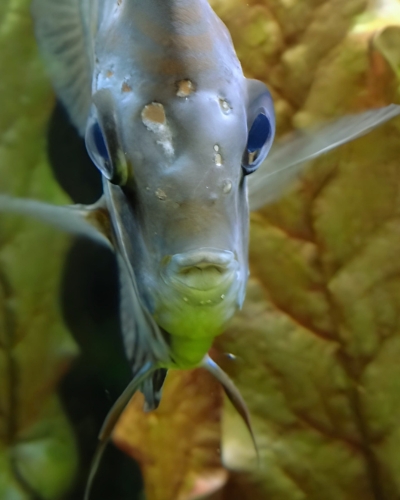
So, how can you protect your angel fish from this condition and ensure they thrive? Keep reading as we dive into the causes, treatment options, and expert recommendations on preventing and healing Hole in Head Disease in angel fish.
With advice from top aquarists, you’ll be equipped with the knowledge to keep your aquarium healthy and your fish happy.
What Causes Angelfish Hole in the Head?
The primary cause of angelfish hole in head disease is often linked to poor water quality in the aquarium. Elevated levels of ammonia, fish’s immunity, nitrite, and nitrate can stress the fish, making them more susceptible to protozoan parasites like Hexamita, which is notorious for causing lesions on the head and lateral line of the fish.
Additionally, inadequate filtration and infrequent water changes can exacerbate these issues, leading to a decline in the health of the aquarium ecosystem. Careful monitoring of water parameters using test strips is essential to prevent such diseases.
Another potential cause of the disease is bacterial infections that arise from the stress of overcrowding or the introduction of new fish without proper quarantine. When fish get stressed, their immune systems weaken, allowing opportunistic pathogens to take hold. Infections could also contribute to the development of head and lateral line erosion (HLLE) disease in fish.
It’s vital for aquarists to maintain good practices, including regular water changes and maintaining a stable environment for their fish. Over time, poor water conditions can lead to the deterioration of the angelfish’s health, making it crucial to address the underlying causes effectively.
Is a Hole in the Head Contagious in Fish?
Hole in head disease is not classified as a contagious disease; however, it can spread among fish in an aquarium if the underlying conditions that caused it are not addressed.
When one fish develops lesions due to stress or poor water quality, other fish in the same environment may also show symptoms if conditions remain unfavorable.
This means that while the disease itself is not directly contagious like a bacterial infection, the factors that lead to its development can affect multiple fish species in a shared habitat, including betta fish and goldfish.
How Do I Treat Hole-in-the-Head Disease?
Treating hole-in-the-Head and lateral line erosion disease involves a multi-faceted approach, primarily focusing on improving the water quality and administering appropriate medications.
The best treatment typically includes the use of metronidazole, which is effective against the parasite Hexamita and can help reduce the lesions associated with HITH. It is also essential to improve the aquarium’s filtration system and conduct regular water changes to maintain optimal conditions for the fish.
In addition to medication, providing a nutritious diet can aid in recovery. Foods rich in protein, such as brine shrimp and high-quality pellets, can help boost the immune system of affected fish.
Furthermore, it’s advisable to monitor and adjust the nitrate, ammonia, and nitrite levels in the aquarium to ensure a healthy environment. Consulting a veterinarian who specializes in fish diseases can provide additional insights into specific treatment plans tailored to your aquarium’s unique conditions.
Hole in the Head Angelfish Best Treatment
Hole-in-the-Head (HITH) disease in angel fish is often caused by poor water quality, Hexamita parasites, or nutritional deficiencies. To treat it, improve water conditions by maintaining clean, well-filtered water with stable parameters.
Use metronidazole-based medications to target parasites and offer high-quality, vitamin-enriched foods. Adding vitamins like Vitamin C and A to their diet can aid recovery.
Reduce stress by avoiding overcrowding and sudden environmental changes. Regular water changes (25-50% weekly) help prevent recurrence. If severe, quarantine the affected fish for targeted treatment. Addressing the root causes ensures a higher chance of recovery and prevents further outbreaks.
Conclusion
Angelfish hole in the head disease is a serious condition that can affect the health and well-being of freshwater aquarium fish. Understanding what causes hole-in-the-head disease, such as poor water quality and stress, is vital for prevention and treatment. While it is not contagious, addressing the factors that lead to HITH is crucial for the overall health of the aquarium. By maintaining high-quality water conditions, providing nutritious food, and utilizing effective treatments such as metronidazole, aquarists can help their fish recover from this angelfish hexamita disease. Regular monitoring and proactive care are the keys to ensuring the longevity and happiness of your angel fish and other aquarium inhabitants.
Recent blog posts
- Angelfish Fin Rot Treatment: Step-by-Step Recovery Guide
- Best Angelfish Plants for Happy Fish – Aquarium Care Tips
- Angelfish pH Levels: Best Water Conditions for Healthy Fish
- Top 5 Common Angelfish Diseases & How to Cure Them Fast
- Troubleshooting Angelfish Not Eating – Causes & Quick Fixes
- Angelfish Bulging Eyes Treatment: Causes & Quick Fixes