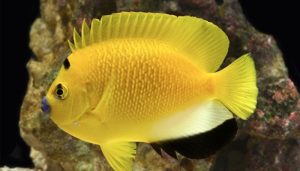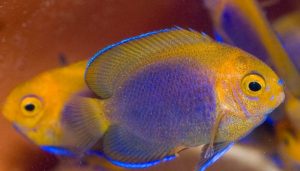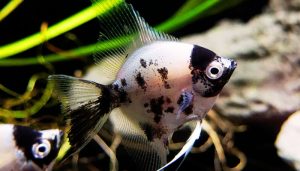
Have you ever wondered what makes angelfish so unique? “7 Angelfish Characteristics Facts You Should Know” will reveal their fascinating traits, from their elegant shape to their surprising intelligence. Whether you’re a fish enthusiast or just curious, these insights will amaze you.
Angelfish are known for their striking colors, social behavior, and ability to recognize their owners.
They thrive in freshwater habitats and display complex territorial instincts. With their graceful movements and distinctive triangular bodies, freshwater angelfish stand out in the aquatic world.
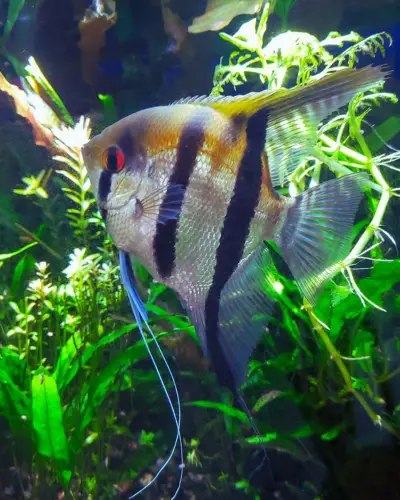
But these are just the basics! There’s so much more to uncover about these beautiful fish. So, let’s dive right into the seven must-know facts about Altum angelfish characteristics!
What Is the Personality of an Angelfish?
The personality of an angelfish is one of its most captivating characteristics. Many fish owners will tell you that angelfish exhibit a range of behaviors, some of which can be quite playful.
They are known to be curious creatures, often exploring their tank environment with great interest. With time, you’ll notice that angelfish develop a unique personality, exhibiting traits that can be endearing.
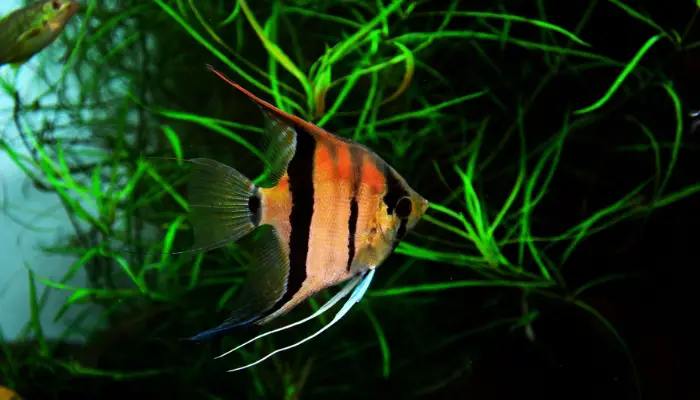
For instance, they can become territorial, especially during breeding, which adds another layer of complexity to their temperament and interactions with other freshwater fish species.
Angelfish are typically social but can also be solitary depending on their habitat and the presence of tank mates. Male and female angelfish may display distinct behaviors; males tend to be more assertive, while females can be more passive.
This dynamic can lead to interesting interactions in an aquarium setting. Properly caring for angelfish involves observing their personalities and ensuring they are comfortable in their environment, which ultimately contributes to their health and well-being.
What Makes Angelfish Unique?
Angelfish hold a unique place in the aquarium trade due to their striking appearance and behaviors. The beauty of angelfish is enhanced by their vibrant colors and elegant fins, which come in a range of hues.
Many fish owners are drawn to the blue angelfish, known for its captivating blue and gold coloration, making it a standout species of angelfish. These exotic-looking swimmers not only bring color to the aquarium but also serve as a fascinating subject for observation.
Additionally, angelfish are known for their adaptability, which is a significant characteristic that sets them apart from other fish. They can thrive in various water conditions, given that the water temperature and quality are ideal.
This adaptability makes them a popular choice among new and experienced aquarists alike. However, it’s important to note that each angelfish may display unique quirks, contributing to their overall appeal as a pet. Understanding what makes angelfish unique is essential for anyone looking to keep these beautiful creatures.
7 Fascinating Facts about Queen Angelfish Characteristics
Queen Angel fish (Holacanthus ciliaris) are one of the most striking and recognizable species in the ocean, known for their vibrant colors and unique characteristics. Here are seven fascinating facts about these beautiful creatures:
Fact #1: Angelfish Change Their Stripes
One of the most fascinating facts about angelfish holacanthus is their ability to change their stripes. This characteristic can be observed when they adapt to different environments or during the breeding season. Angelfish may exhibit changes in color and stripe patterns, which can be a response to stress or to attract mates.
Many fish owners find this aspect particularly intriguing, as it showcases the dynamic nature of these creatures. These changes can sometimes be subtle, but they significantly affect how these fish interact with others in their habitat.
Fact #2: Angelfish Will Eat Anything
Another notable characteristic of angelfish is their varied diet; they will eat almost anything you offer them. Angelfish tend to be opportunistic feeders, which means they will eagerly consume a range of foods provided in their tank.
This includes flakes, pellets, brine shrimp, and even frozen, or live foods. Many fish owners appreciate this flexibility, as it allows for diverse feeding strategies that can cater to the specific dietary needs of their fish. However, it’s essential to ensure that their diet is balanced to maintain their health.
Fact #3: The Beauty of Angelfish
The beauty of angelfish is undeniable, making them a sought-after addition to many aquariums. Their vibrant colors and graceful movements create a mesmerizing display that captivates both fish owners and observers alike.
The variety among species of angelfish, from the striking blue angelfish to the more classic black or silver variants, ensures that there is an ideal match for every aquarium aesthetic. This range of color and pattern makes them a popular choice for those looking to enhance the visual appeal of their tanks.
Fact #4: Angelfish can grow really big in size
Angelfish can often reaching lengths of up to 12 inches. This additional growth can trigger some challenges for aquarium owners, as they need to provide ample space. Recently, many enthusiasts have noticed that they’re easily stressed in smaller tanks, which doesn’t help their health.
Moreover, the loss of habitat in the wild can impact their growth potential, making it essential for aquarists to create a suitable environment. Understanding their needs is crucial for ensuring these stunning fish thrive.
Fact #5: Name That Fish
When it comes to naming your angelfish, the choice can be as unique as the fish itself. Many fish owners enjoy personalizing their pets with names that reflect their characteristics, such as color or behavior.
For example, a particularly vibrant blue angelfish might earn the name “Blue Angel,” while a shy angelfish may be called “Shadow.” This personal touch not only strengthens the bond between the owner and the fish but also adds a layer of fun to the aquarium experience.
Fact #6: Females changes sex and becomes a male.
In some species, female individuals can change sex and become male. This phenomenon, known as sequential hermaphroditism, allows for greater reproductive flexibility in response to environmental or social factors. Such adaptations can enhance survival and reproductive success within their populations.
This remarkable ability showcases the diversity of reproductive strategies in the animal kingdom, highlighting the intricate relationships between sex and environment in evolutionary processes.
Fact #7: Importance to Ecosystems
As part of the coral reef ecosystem, Queen Angelfish play a crucial role in maintaining the health of the reef. By feeding on sponges and other organisms, they help control populations that might otherwise overgrow and harm the coral.
Queen Angelfish are not only a visual delight but also an integral part of their marine environments, showcasing the intricate balance and beauty of ocean life.
What Is the Behavior of the Angelfish?
The behavior of angelfish is an intriguing aspect for many fish owners to explore. These fish are known for their social interactions and can exhibit a range of behaviors depending on their environment and the presence of other fish.
Angelfish typically prefer a well-structured tank with plenty of hiding spots, which helps them feel secure and encourages natural behaviors. They are also known to establish territories, especially during breeding, making it essential to ensure that their tank is spacious enough for comfortable living.
In addition to their territorial tendencies, angelfish are often seen engaging in playful behaviors. They may swim together in pairs or even chase one another, which can be entertaining for observers.
However, it’s crucial to monitor these interactions to prevent aggression among tank mates. Understanding adult angelfish behavior is vital for creating a harmonious aquarium environment where they can thrive, facilitating both their physical health and emotional well-being.
Conclusion about Angelfish Behavior Characteristics
In conclusion, the characteristics and behaviors of angelfish make them fascinating pets for many fish owners. Their unique personality traits, striking beauty, and adaptability to different environments contribute to their popularity in home aquariums.
By understanding the various aspects of angelfish behavior, such as their social dynamics, feeding habits, and territorial nature, owners can create an ideal habitat for these remarkable creatures. This knowledge not only enhances the experience of keeping angelfish but also ensures their overall health and longevity, making them a rewarding investment for any aquarium enthusiast.
Ultimately, knowing about angelfish characteristics can lead to a more fulfilling relationship between owners and their fish. By taking the time to learn about their needs and behaviors, you’ll be better equipped to provide the proper care that these beautiful creatures deserve. With the right attention and understanding, angelfish can thrive and bring joy to your aquarium for many years to come.
Recommended posts
- Exploring Angelfish in the Nature: How They Adapt and Survive
- 7 Best Reef Safe Angelfish for Your Tank – A Complete Guide
- Saltwater Angelfish Species: Colors, Sizes & Compatibility
- Black Lace Angelfish Care Guide: (Tips for Thriving Angels)
- Golden Angelfish Care Guide – Tank Setup, Diet & Breeding Tips
- Where Does Angelfish Live? Explore Their Natural Habitats