What is X Ray Tetra Lifespan in Captivity? The X-Ray Tetra, also known as the Pristella Tetra, is a popular freshwater fish species admired for its striking transparent appearance and peaceful demeanor.
However, many aquarium enthusiasts need to be made aware of the proper care and maintenance needed to ensure a long and healthy lifespan for these beautiful creatures.
In this article, we will delve into the X Ray Tetra’s lifespan and provide you with secret tips to prolong their life in your freshwater aquarium.
From ideal tank conditions to proper nutrition and potential health issues to watch out for, we will cover all the essential information you need to know to give your X Ray Tetras the best care possible.
By incorporating these tips into your aquarium maintenance routine, you can help your X Ray Tetras thrive and live a longer, happier life in your home aquarium. Stay tuned to uncover the secrets to extending the lifespan of these captivating fish.
The Average X Ray Tetra Lifespan in Aquarium
How long do x-ray tetras live? X-ray tetra fish is also one of the most adaptable and colorful South American fish commonly kept in aquariums. They are schooling fish that pose no threat to larger fish, making them an ideal addition to community tanks.
These colorful fish have a typical lifespan of around 3-5 years in Captivity, making them a popular choice for hobbyists, but with proper care, they can live up to 7 years. When breeding X-ray tetras, a separate breeding tank is recommended to ensure the survival of the fry.
The female X-ray tetra will scatter their eggs among dense vegetation, and the free swimming fry will hatch within a couple of days. The young X-ray tetras can be fed with brine shrimp or insect larvae, gradually transitioning to a diet with aquatic plants.
Lifespan & Average Size of the X-ray Fish in Captivity
X-ray tetras are a small species of tropical fish found in the Amazon River and the Amazon Basin streams and tributaries. They are also known as the golden pristella tetra due to their yellowish color.
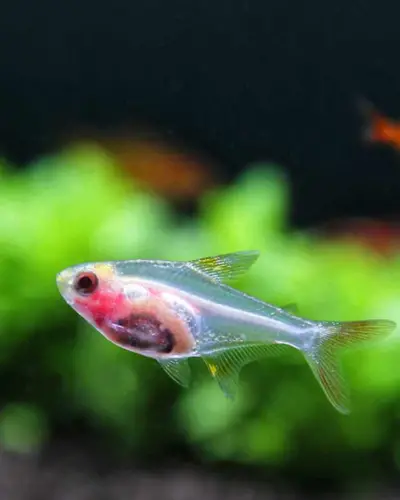
The average size of the X-ray fish in Captivity is around 1 to 2 inches in length. They have dorsal and anal fins that are clear and give them their unique appearance, allowing you to see their internal organs.
X-ray tetras are schooling fish, so it is recommended to keep them in schools of at least six in a larger tank. When kept in the same aquarium, they can be fed flake food and will get along well with many other fish species.
The x-ray tetra pristella maxillaris is listed as a species of least concern on the IUCN Red List and was first described by Albert Ulrey in 1894 due to their bony internal structure known as pristella maxillaris.
Compatibility with other fish (X-ray fish tank mates)
X-ray tetras, also known as Pristella tetras, are generally peaceful fish that can do well in a community tank with other peaceful fish of similar size. Here are some good tank mates for X-ray tetras:
- Corydoras catfish: These bottom-dwelling catfish are peaceful scavengers that will help keep your tank clean. They come in a variety of colors and patterns.
- Harlequin Rasboras: These small, schooling fish are another good choice for a community tank. They are active swimmers and will add a splash of color to your aquarium.
- Celestial pearl danios: These peaceful fish are relatively new to the aquarium hobby, but they are quickly becoming popular. They are shy and prefer a well-planted tank with plenty of hiding places.
- Neon tetras: These classic aquarium fish are a good choice for beginners. They are peaceful and relatively easy to care for.
Here are some things to keep in mind when choosing tank mates for your X-ray tetras:
- Tank size: Make sure your tank is large enough to accommodate all of the fish you want to keep. A good rule of thumb is to allow one gallon of water per inch of fish.
- Temperament: Choose fish that are peaceful and compatible with other fish. Avoid fish that are known to be fin nippers or aggressive.
- Water parameters: Make sure all of the fish you choose have similar water parameter requirements. X-ray tetras prefer slightly acidic water (pH 6.0-8.0) with a hardness of 5-19 dGH.
- Diet: Make sure all of the fish you choose have similar dietary needs. X-ray tetras are omnivores and will eat a variety of flake foods, frozen foods, and live foods.
By following these guidelines, you can choose tank mates that will help your X-ray tetras thrive.
Expert Tips to Prolong their Longevity (Pristella Tetra Care)
Here are some expert tips to help your Pristella tetras (X-ray tetras) live long and healthy lives:
- Provide a Spacious Tank: In the wild, these fish roam freely in schools. Mimic this natural behavior by keeping them in a tank of at least 10 gallons, with bigger being even better. This allows for proper exercise and reduces stress.
- Replicate their Natural Habitat: X-ray tetras prefer slightly acidic to neutral water (pH 6.0-7.5). Keep the temperature between 75 and 78 degrees Fahrenheit for optimal activity and health. Use darker colored substrate and add plenty of live or silk plants to create hiding spots and diffuse bright light.
- Maintain Stable Water Conditions: Regular water changes are crucial. Aim for weekly water changes of 25-50% to remove waste products and maintain water quality. Avoid sudden changes in temperature or water parameters, as this can stress your fish.
- Feed a Varied Diet: X-ray tetras are omnivores. Offer a mix of high-quality flake food, frozen bloodworms, brine shrimp, and daphnia. Feed them small amounts two to three times a day. Avoid overfeeding, which can pollute the water.
- Keep the Tank Clean: Regularly siphon the gravel to remove waste products that can contribute to ammonia spikes and illness. Maintain a good filter system appropriate for your tank size to ensure proper water circulation and oxygenation.
- Peaceful Tank Mates: X-ray tetras are peaceful schooling fish. House them with other peaceful community fish of similar size. Avoid aggressive fish or fin nippers that can stress them out.
- Monitor for Signs of Disease: Routine observation is key. Look for signs of illness, such as clamped fins, labored breathing, or white spots on their bodies. Early detection and treatment can improve their chances of recovery.
By following these expert tips, you can create a thriving environment for your Pristella tetras and enjoy their vibrant presence for years to come.
What are the Most Adaptable Species of Tetra?
X-ray tetra is one of the most adaptable species of tetra fish. These small species of fish are known for their ease of care and ability to co-inhabit the tank peacefully with other small fish.
The X-ray tetra is also known as the pristella tetra and the water goldfinch. During the rainy season, the x-ray tetra fry gives birth to live young, making them highly adaptable to changing environments.
They have an acute sense of hearing, thanks to a structure known as the Weberian apparatus used in picking up sound waves.
In addition, these tetra species are known for their vibrant yellowish coloration, making them a popular choice for tank setups with live plants. They can be found in water closer to the coast and are able to evade predatory fish effectively.
Transparent X-Ray Tetra lifespan FAQs (Frequently Asked Questions)
Is Pristella Tetra fish easy to care for?
Yes, Pristella Tetras are easy fish to care for, making them ideal for beginners. They thrive in a range of water conditions and readily accept various foods. While spawning in a community tank is uncommon, Pristellas can spawn with proper care.
Are X-ray tetras aggressive?
No, X-ray tetras are peaceful schooling fish. They make great tank mates for other peaceful community fish.
Are X-Ray Tetras hardy?
Yes, X-Ray Tetras are known for being hardy fish. Their small size and adaptability make them a good choice for beginner aquarists in the dry season.
How long do X ray fish live?
X-ray tetra fish al, also known as Pristella maxillaris, typically live 3-5 years in the wild. In well-maintained aquariums, they can thrive for 7-8 years with proper care.
Can X-ray Tetras live in hard water?
Yes, X-ray tetras can live in moderately hard water. They are adaptable and thrive in a range of water conditions.
Where are X-ray tetra found?
X-ray tetras inhabit the coastal waters of South America, particularly in brazil, guyana, Suriname, and northern Brazil.
Conclusion
So, What is the max x-ray tetras lifespan? In conclusion, the fascinating world of aquatic life never ceases to amaze us. From the vibrant colors of coral reefs to the intricate behaviors of exotic fish, every creature has its own unique story to tell. Among these remarkable beings, the yellowish X-ray Tetra stands out with its transparent body and captivating appearance. We’ve explored its habitat, diet, and behavior throughout this blog post, shedding light on the wonders of this intriguing species. Understanding its natural environment and providing proper care is crucial for ensuring a healthy and fulfilling life for these beautiful creatures.
So, if you’re considering adding X-ray Tetras to your aquarium, remember to create a suitable environment that mimics their native habitat and provides ample space for their energetic nature. With proper care and attention, you can witness the enchanting beauty of the X-ray Tetra and enjoy their companionship for the average X ray tetra lifespan of 5 to 7 years.
Recommended posts
- How to Breed X Ray Tetras Like A Pro: (A Step-By-Step Guide)
- What Do X-Ray Tetra Eat: (Best Pristella Maxillaris Diet)
- X Ray Tetras Fish 101: A Guide to Pristella Maxillaris Care
- Where Do X-Ray Fish Live in the World (Habitat Diversity)
- Gold Pristella Tetra Size: 3 Factors That Influence Their Growth!
- 9 Fascinating X-Ray Fish Facts and Information (Must Read)
- Pristella Tetra Male or Female (How to Identify the Gender!)
- Are X Ray Tetra Real: Pristella Maxillaris (Facts & Myths)
- Top 5 Compatible Pristella Tetras Tank Mates (Ultimate Guide)