Want to maximize the hatch rate of your Tetra Neon eggs? Proper care and technique make all the difference, but what are the essential steps to ensure success? In this guide, we’ll cover the crucial factors that lead to a thriving batch of Neon Tetra fry.
The key to success lies in maintaining optimal water conditions, ensuring proper fertilization, and preventing fungal infections.
Experts like Dr. Paul Loiselle emphasize the importance of stable water parameters and a well-monitored breeding tank for the highest hatch rates.
But there’s more to it than just the basics! From selecting healthy parent fish to fine-tuning water chemistry, we’ll dive into proven techniques to help you hatch and raise strong baby tetras. Let’s get started!
Do Neon Tetras Lay Eggs?
Neon tetras do lay eggs, and they are known to spawn in the early hours of the morning when the lighting is dim. To encourage your adult neon tetras to lay eggs, it’s essential to create a suitable environment in your aquarium.
Neon tetras are small and colorful tropical fish that make great addition to your aquarium, Breeding neon tetras typically requires a breeding tank with soft, acidic water, which mimics their natural habitat.
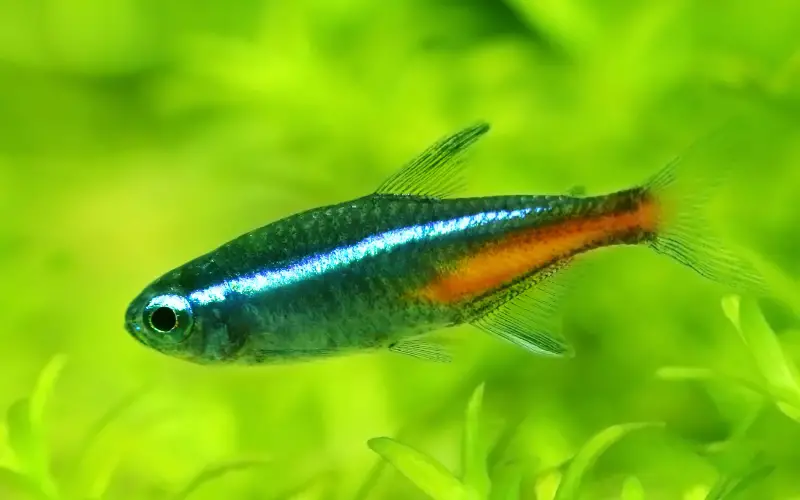
The male and female neon tetra will engage in a courtship dance before spawning, during which they can produce anywhere from 60 to 130 eggs. Observing this behavior can be a thrilling experience and is a sign that your fish are ready to breed.
When preparing your aquarium for breeding, consider adding plants like java moss, as they provide a safe area for the eggs to be deposited. The presence of java moss also offers shelter for the fry once they hatch. It is important to maintain a stable environment, as stress can hinder the spawning process.
By ensuring that your adult neon tetras are healthy and well-fed with food like high-quality flakes or live foods, you increase the likelihood of successful egg-laying.
What Do Tetra Neon Eggs Look Like?
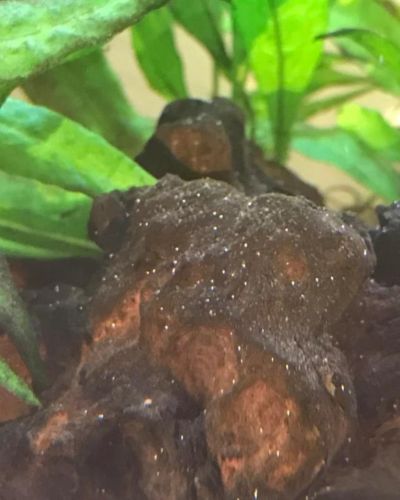
Tetra neon eggs are small, sticky, and typically transparent, making them somewhat difficult to spot against the substrate. They are about 1 millimeter in size and can appear in clusters when the female lays them.
After the female neon tetra lays eggs, they will cling to the plants or surfaces in the main tank, which helps protect them from being eaten by adult fish. The eggs have a slightly gelatinous coating that keeps them secure until they hatch.
As the eggs develop, they may start to show signs of their internal development, appearing slightly darker as the embryos grow. It is crucial to keep an eye on these eggs, as they are sensitive to light and can be affected by water conditions.
Proper water temperature is essential, as eggs will typically hatch within 24 to 36 hours if kept at an optimal temperature between 75°F and 80°F. Monitoring the conditions closely will ensure that the eggs have the best chance of survival and hatching into healthy neon tetra babies.
How to Get Neon Tetra Eggs
To successfully obtain neon tetra eggs, you must first ensure that you have a compatible pair of adult neon tetras ready to breed. Typically, a ratio of one male to two females is recommended for breeding.
Setting up a dedicated breeding tank is essential; it should be well-planted and have soft, acidic water to mimic the natural spawning environment of neon tetras. The use of aquarium lights should be minimized to create a dim environment that encourages spawning.
Once the breeding tank is set up, introduce your neon tetras and allow them some time to acclimate. After a few days, you can begin to observe their behavior closely. Look for the male and female neon tetras engaging in their courtship rituals, which often include chasing and swimming together.
Once they spawn, you can remove the adult tetras from the breeding tank to prevent them from eating the eggs. Providing sufficient hiding spots with plants like java moss will help protect the eggs and ensure a successful spawning process.
How to Breed Neon Tetras?
Breeding neon tetras (Paracheirodon innesi) can be a rewarding but challenging experience, as they require specific conditions to spawn successfully. Here’s a step-by-step guide to help you breed neon tetras:
1. Set Up a Breeding Tank
- Tank Size: Use a small, separate breeding tank (5-10 gallons).
- Water Parameters:
- Temperature: 72-75°F (22-24°C).
- pH: 5.0-6.5 (slightly acidic).
- Soft water: 1-2 dGH (very soft water is essential for egg fertilization).
- Filtration: Use a sponge filter to provide gentle filtration and avoid sucking up eggs or fry.
- Lighting: Keep the tank dimly lit, as neon tetras prefer low light for spawning.
- Substrate: Bare bottom or very fine substrate to make it easier to clean and monitor eggs.
- Plants: Add fine-leaved plants like Java moss or spawning mops to provide a surface for the eggs to adhere to.
2. Condition the Breeding Pair
- Select a healthy male and female pair. Males are typically slimmer and have a straighter blue stripe, while females are rounder and have a slightly curved stripe.
- Feed them high-quality live or frozen foods (e.g., brine shrimp, daphnia, or bloodworms) for 1-2 weeks to condition them for breeding.
3. Introduce the Pair to the Breeding Tank
- Place the conditioned pair in the breeding tank in the evening.
- Keep the tank dark and quiet to encourage spawning behavior.
4. Spawning Process
- Neon tetras typically spawn in the early morning.
- The female will scatter 100-200 eggs among the plants or spawning mops.
- The male will fertilize the eggs as they are released.
- After spawning, remove the adults immediately, as they may eat the eggs.
5. Care for the Eggs and Fry
- Eggs: The eggs are light-sensitive, so keep the tank dark. They will hatch in about 24-36 hours.
- Fry: Once hatched, the fry will live off their yolk sacs for 3-4 days. After that, they will become free-swimming.
- Feeding Fry: Start feeding them infusoria, liquid fry food, or freshly hatched brine shrimp. As they grow, transition to finely crushed flake food or micro worms.
- Water Quality: Perform small, frequent water changes to maintain excellent water quality, as fry are very sensitive.
6. Grow Out the Fry
- As the fry grow, move them to a larger tank if necessary.
- Continue feeding them high-quality foods and maintain optimal water conditions.
Tips for Success
- Neon tetras are egg scatterers and do not exhibit parental care.
- Breeding neon tetras can be tricky due to their specific water requirements. Patience and attention to detail are key.
- If you’re not successful the first time, try adjusting water parameters or conditioning the pair again.
By following these steps, you can increase your chances of successfully breeding neon tetras!
Essential Tips for a Successful Neon Tetra Egg Hatch Rate
To maximize the hatch rate of your neon tetra eggs, maintaining optimal water quality is crucial. This includes regularly changing the water in the breeding tank to keep it clean and preventing the buildup of harmful substances.
A water temperature between 75°F and 80°F is ideal for hatching tetra eggs, and it’s essential to monitor the pH levels to keep them slightly acidic, ideally around 6.0 to 6.5.
Additionally, providing the right food for the fry once they hatch is vital for their growth and survival. Newly hatched baby neon tetras will benefit from a diet of infusoria or rotifers, and as they grow, you can introduce baby brine shrimp.
This diet will ensure they receive the nutrients necessary for developing into healthy adult neon tetras. Don’t be discouraged if you face challenges; breeding these beautiful fish requires patience and dedication. With time and the right care, the chances of hatching healthy baby tetras will significantly improve.
Conclusion
In conclusion, breeding neon tetras and successfully hatching their eggs can be an enjoyable and fulfilling process. By understanding the nuances of their reproductive behavior, egg appearance, and the necessary conditions for hatching, you can improve your chances of raising healthy baby neon tetras. Remember that each step, from setting up a breeding tank to monitoring water quality, plays a crucial role in achieving a high hatch rate. With the right environment and care, your aquarium can soon be filled with vibrant, lively neon tetra babies.
You Might Also Like
- Is My Neon Tetra Pregnant or Dropsy: (4 Clues Can’t Ignore!)
- The Art of Breeding Neons Tetra: (Mastering the Spawning)
- The Ideal Neon Tetra Tank Size: A Comprehensive Guide
- Identifying Pregnant Neon Tetra Fish: (3 Proven Symptoms)
- Ember Tetras Fish Eggs: 3 EASY Steps For MAXIMUM Hatch Rate!
- Pregnant Ember Tetras: 5 SHOCKING Signs You Can’t Ignore!