Are you looking for the best tips for taking care of angelfish in your aquarium? These elegant freshwater fish need proper care to thrive. But how do you ensure they stay healthy and happy?
To keep your freshwater angelfish in top condition, focus on optimal water quality, a balanced diet, and the right tank setup. Maintain a temperature between 76-82°F, provide a spacious tank, and feed them a variety of protein-rich foods. Regular water changes and peaceful tankmates also play a vital role.
But there’s more to it than just that! Experts like Dr. Paul Loiselle, a renowned aquarist, emphasize the importance of consistent care and monitoring. So, let’s dive into the ultimate freshwater angelfish care guide to raising vibrant and healthy fish!
How to Care for Angelfish?
Taking care of an aquarium angelfish involves a combination of maintaining water quality, providing adequate nutrition, and creating a suitable habitat. angelfish are hardy species of angelfish but require specific water parameters to thrive.
The angelfish aquarium water should be kept at a slightly acidic to neutral pH, perfectly between 6.5 and 7.5, and the water temperature should be maintained around 77 to 83 degrees Fahrenheit.
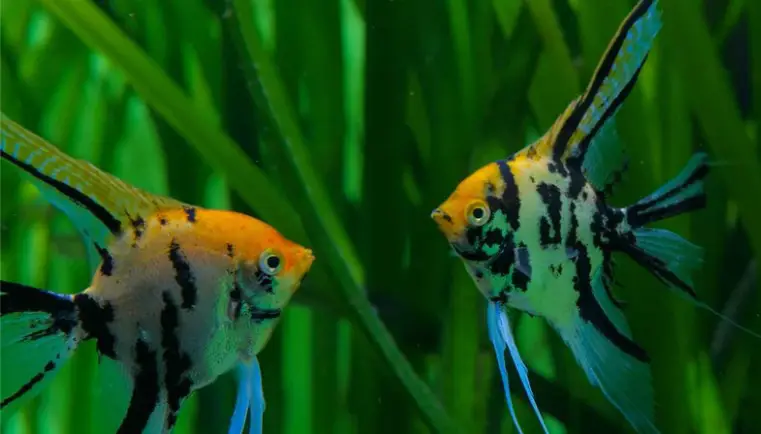
Regular water changes, about 25% weekly, are essential to ensure a healthy environment. Additionally, feeding angelfish a balanced diet of high-quality flake food, frozen brine shrimp, and bloodworms can enhance their growth and vibrancy.
Furthermore, angelfish cichlidae tend to be territorial, especially when breeding, so it’s crucial to provide ample hiding spots with aquatic plants like Java fern and adequate substrate at the bottom of the tank.
Providing a varied diet and maintaining stable water conditions will help prevent stress and potential illness. Overall, understanding their needs will ensure that your angelfish not only survive but thrive in their aquarium habitat.
Taking Care of Angelfish: Pro Tips
To effectively take care of angelfish cichlids, it’s important to know their social behaviors and compatibility with other species of fish. While keeping a single angelfish is possible, they generally do well in pairs or small groups.
However, they should be housed with peaceful fish and not aggressive species like betta fish, as this could lead to stress and territorial disputes.
Smaller fish, such as cory catfish and tetra, can make excellent tank mates due to their calm demeanor and compatibility with angelfish Pterophyllum scalare.
Another pro tip is to monitor the size of the fish in the freshwater aquarium. Adult angelfish can grow quite large, reaching up to 6 inches in height, so a spacious tank, ideally 55 gallons or more, is necessary to accommodate their growth.
Additionally, keeping aquatic plants in the aquarium can provide hiding spots and reduce territorial aggression. Regularly observing your angelfish for any signs of illness or stress will help you take swift action, ensuring a healthy and thriving aquarium environment.
Tank Requirements and Appropriate Tank Mates:
Creating an appropriate tank environment for your angelfish involves understanding their natural habitat and social needs. altum Angelfish thrive in a well-planted aquarium that mimics their natural environment, which includes plenty of hiding spots and open swimming space.
The substrate should be soft, as sharp edges can injure their delicate fins. Using a combination of sand and gravel can provide a safe and attractive bottom for your aquarium.
In terms of tank mates, freshwater angelfish are generally compatible with peaceful species of fish. Ideal tank mates include cory catfish, which are bottom dwellers, and smaller fish like neon tetras.
However, caution should be exercised when introducing smaller species, as angelfish may see them as food, especially when they are hungry.
Additionally, avoid keeping them with overly aggressive fish or those known to nip at fins. By selecting the right tank mates and ensuring a safe environment, your angelfish will be able to thrive and display their vivid colors in a community aquariums.
How Do You Set up an Angelfish Aquarium?
Setting up an angelfish aquarium requires careful planning and consideration of both the physical and biological aspects. Start by selecting a tank that is at least 55 gallons to provide ample space for swimming and growth.
Begin with an appropriate filtration system to maintain water quality, as angelfish are sensitive to poor water conditions. It’s crucial to cycle the aquarium before introducing any fish, allowing beneficial bacteria to establish themselves in the fish tank.
When setting up the aquarium, include a variety of aquatic plants like Java fern and Amazon swords, as these will provide cover and contribute to the overall aesthetics. Use smooth substrate to avoid injuring the delicate fins of your angelfish.
After the tank is fully cycled and the water test are stable, gradually acclimate your angelfish to their new environment. This gradual introduction will reduce stress and help them adapt more comfortably to their new home. By following these guidelines, you can create a thriving aquarium that’s perfect for your angelfish.
What Do Angelfish Need to Breed? Breeding Angelfish
Breeding angelfish can be a rewarding experience in the aquarium hobby. To successfully breed angelfish, you need to ensure that they are in optimal conditions and have suitable tank mates.
A breeding tank should ideally be separate from the main aquarium, with soft, acidic slow moving water to mimic their natural habitat. Maintaining a tank temperature of around 80 to 84 degrees Fahrenheit will encourage breeding behavior.
Full grown Angelfish require a flat surface to lay their eggs, such as a broad leaf from an aquatic plant or a designated breeding slate. Once the eggs are laid, both parents will often guard them fiercely.
It’s essential to provide a high-quality diet during this time, including live foods like brine shrimp and bloodworms, to promote healthy development of the fry.
After a few days, the eggs will hatch into baby fish, and the parents will continue to care for them for several days. By providing the right conditions and nutrition, you can successfully breed angelfish and witness the growth of the next generation.
Conclusion
In conclusion, taking care of angelfish in your freshwater aquarium can be both enjoyable and fulfilling. Understanding their specific needs, including appropriate tank setup, water parameters, and dietary requirements, is crucial to their health and well-being. By carefully selecting tank mates and providing a nurturing environment, you can create a thriving habitat for your angelfish. Whether you are a novice or an experienced aquarist, following these best tips will ensure that your freshwater angelfish not only survive but flourish, adding beauty and life to your aquarium.
Recommended posts
- How Often to Feed Angelfish: Best Feeding Schedule & Tips
- Koi Angelfish Care Guide: Tank Setup, Diet & Breeding Tips
- Can You Keep Angelfish in a 20 Gallon Tank? (Pros & Cons)
- Keeping Angelfish in a Community Tank: Best Tips & Tankmates
- How Many Angelfish Should Be Kept Together (Ideal Group)
- Angelfish Eyes Bulging Treatment: Causes & Quick Fixes
- Are Angelfish Hardy Fish? Care Tips for a Thriving Aquarium