Have you ever wondered which fish can bring both elegance and vibrancy to your aquarium?The Japanese Angelfish, with its mesmerizing blue and yellow hues, is a top choice for marine enthusiasts. This exotic species is not just about looks; it has a fascinating personality too.
Native to the Pacific Ocean, Japanese Angelfish are known for their resilience and adaptability in saltwater tanks. Their striking colors and graceful swimming patterns make them a prized addition to any marine setup.
Experts like marine biologist Hiroshi Sakurai emphasize their importance in reef ecosystems, making them a fascinating species to explore.
But why are they so sought after, and what does it take to care for them properly? From diet to tank requirements, there’s a lot to consider before bringing one home. Let’s dive into the world of Japanese Angelfish and discover everything you need to know!
Discover the Beauty of Japanese Angelfish:
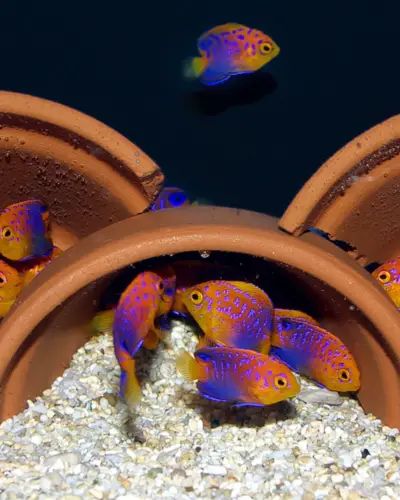
The Japanese angelfish is renowned for its striking coloration, often exhibiting a combination of bright yellow and deep blue spots. This unique appearance makes it a standout specimen in any marine aquarium.
Juvenile Japanese angelfish may appear differently than adults, showcasing a more subdued color palette that gradually evolves as they mature.
Their dorsal and caudal fins are particularly impressive, featuring intricate patterns that enhance their visual appeal. As members of the genus genicanthus, these fish are not only beautiful but also exhibit fascinating behaviors, making them a joy to observe in a home aquarium.
Hailing from the coral reefs of the Pacific Ocean, the centropyge interrupta thrives in environments rich with stony and soft corals sessile invertebrates.
When introduced into a well-maintained aquarium, these fish can display their full beauty, often interacting playfully with other species. Their natural habitat includes the Ogasawara Islands south of Japan and the Northwestern Hawaiian Islands, where they are commonly found near coral formations.
This connection to their native waters emphasizes the importance of replicating their natural environment in captivity, ensuring they remain healthy and vibrant.
How Long Do Japanese Angelfish Live?
Japanese swallowtail angelfish can live for up to 10 years or more in a well-maintained aquarium. Factors such as water quality, diet, and overall tank conditions significantly influence their lifespan.
Hobbyists should ensure that their tanks are properly cycled and that the water parameters are kept within ideal ranges.
Additionally, providing a varied diet that includes high-quality marine flakes, brine shrimp, and algae can help enhance their health and longevity. It’s also essential to monitor for any signs of stress or disease, as these can adversely affect their lifespan.
In captivity, these fish may thrive when kept in pairs or small groups, which can help reduce stress and promote natural behaviors. It’s also important to note that as they age, centropyge interrupta may change sex depending on the social structure of the tank. This fascinating aspect of their biology contributes to their resilience and adaptability in different environments, allowing them to thrive in the diverse and dynamic ecosystem of a marine aquarium.
What Do Japanese Angelfish Eat?
Japanese angelfish are omnivorous, which means their diet consists of both plant and animal matter. In a home aquarium, providing a balanced diet is crucial for their health and overall well-being. Common food sources include high-quality marine flakes, frozen brine shrimp, and various types of algae.
It’s essential to offer a variety of foods to ensure they receive all the necessary nutrients. Additionally, incorporating invertebrates into their diet can mimic their natural feeding habits, allowing them to thrive in captivity.
Feeding these fish multiple times a day, in small quantities, can help prevent overfeeding and maintain optimal water quality in the aquarium.
Observing their feeding behavior can also provide insights into their health; a lack of appetite may indicate stress or illness. By providing a nutritious and varied diet, hobbyists can ensure that their Japanese marine angelfish remain vibrant, active, and healthy throughout their lives.
What Size Tank Does a Japanese Angelfish Need?
For optimal health, a Japanese masked swallowtail angelfish requires a minimum tank size of 30 gallons. This size allows for ample swimming space and helps maintain stable water parameters, which is crucial for these marine fish.
When planning the aquarium, it’s important to consider creating a well-structured environment that includes lots of hiding spots and live rock. These features not only provide shelter but also encourage natural behaviors and reduce stress levels among the fish.
In larger aquariums, it’s possible to keep multiple centropyge interrupta fish together, provided they are introduced simultaneously and the tank is adequately sized.
This can help mitigate aggression and establish a harmonious social structure. However, space is vital; overcrowding can lead to increased stress and competition for resources, ultimately impacting the health of the fish. By providing a suitable tank size and environment, hobbyists can create a thriving habitat for their Japanese angelfish.
Are Japanese Pygmy Angelfish Reef Safe?
Japanese pygmy angelfish, like their larger counterparts, are generally considered reef-safe. These fish are known for their peaceful demeanor and can coexist well with other good reef dwellers, including corals and invertebrates. However, individual behavior may vary, and there can be exceptions. Some Japanese pygmy angelfish may exhibit slight aggression towards smaller fish or certain types of corals, so careful monitoring is essential. Ensuring a balanced mix of tank mates can help maintain harmony in a reef aquarium.
When introducing Japanese marine angelfish into a reef tank, it’s crucial to observe their interactions with other species. Providing ample hiding spots and territories can help reduce potential conflicts. Overall, with proper care and tank mates, Japanese pygmy angelfish can thrive in a reef environment, adding beauty and activity to the aquatic ecosystem. Their compatibility with reef tanks is one of the reasons they are popular among marine aquarium enthusiasts.
Are Pygmy Angels Aggressive?
Generally, Japanese pygmy angelfish are not considered aggressive fish. They are more on the peaceful side, which makes them suitable for community tanks.
However, like many marine species, territorial disputes may arise, especially if multiple angelfish are kept in the same aquarium. It is important to provide enough space and hiding spots to minimize competition and aggression.
Observing their behavior during feeding times can also provide insights into their temperament, as food can be a trigger for aggressive interactions.
In situations where multiple pygmy angels are housed together, introducing them simultaneously into the aquarium can help establish a more harmonious social structure. Ensuring a diverse selection of tank mates can further dilute aggressive tendencies, allowing these beautiful fish to coexist peacefully.
By understanding their social dynamics and providing a suitable environment, hobbyists can enjoy the vibrant colors and lively nature of Japanese pygmy angelfish without significant aggression issues.
How Big Do Interruptus Angelfish Get?
Centropyge interruptus, commonly known as the Japanese swallow tail angelfish, can grow to a total length of around 5-6 inches in captivity. This relatively modest size makes them suitable for various aquarium setups, provided that they have enough swimming space and suitable tank conditions.
As juveniles, they may appear smaller and more vibrant, showcasing their unique coloration, which develops further as they mature. It is essential for hobbyists to be aware of their growth potential when planning their aquarium.
As they grow, providing adequate space becomes increasingly important to accommodate their size and activity level. A larger tank allows them to swim freely and reduces stress, which can lead to better health and longevity.
Additionally, incorporating appropriate decorations and hiding spots can support their natural behaviors and encourage a thriving environment. By understanding the growth potential of Japanese angelfish, hobbyists can create a suitable habitat that meets their needs throughout their lifecycle.
Conclusion
The Japanese swallowtail angelfish, with its stunning coloration and captivating behaviors, is an excellent choice for marine aquarium enthusiasts. Its compatibility with reef setups and relatively peaceful nature makes it an attractive addition to community tanks. By understanding their dietary needs, tank size requirements, and social dynamics, hobbyists can successfully care for these beautiful fish. Whether kept as a pair or in small groups, Japanese marine angelfish can bring a vibrant touch of the Pacific Ocean into a home aquarium, making them a prized specimen among marine fish collectors.
Ultimately, the success of keeping centropyge interrupta angelfish hinges on providing a well-maintained environment that mirrors their natural habitat. Ensuring optimal water quality, a varied diet, and suitable tank mates can lead to a thriving aquarium filled with life and color. With the right care, these remarkable fish can flourish, offering years of enjoyment and beauty to saltwater aquarium enthusiasts. Whether you are a seasoned hobbyist or a beginner, the males and females Japanese angelfish is sure to impress and delight.
Related Reef Aquarium Topics
- 7 Best Reef Safe Angelfish for Your Tank – A Complete Guide
- Angelfish Different Types: Stunning Varieties for Your Tank
- Flame Angelfish – A Captive Bred Fish for Reef Chasers
- Blue Chocolate Angelfish: Appearance, Lifespan & Best Care Tips
- Blue Freshwater Angelfish: Care, Habitat, and Tank Setup