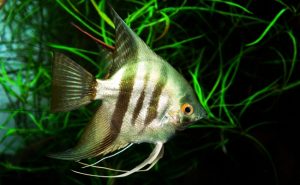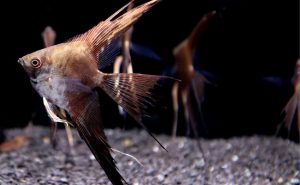
Are you looking to keep a stunning and unique freshwater fish? The Peruvian Altum Angelfish Care Guide covers everything you need to know about this graceful species. But what makes these angelfish so special, and how can you provide the perfect environment for them?
pterophyllum altum fish thrive in acidic, extremely soft water with plenty of vertical swimming space. Their tank should mimic their natural Amazonian habitat, featuring driftwood, live aquatic plants, and slow-moving water. Proper care, including a well-balanced diet and stable water conditions, ensures their health and longevity.
Setting up the perfect habitat requires attention to detail. From tank size to water parameters, we’ll guide you through every step. Let’s dive into the essentials of keeping these majestic fish happy and thriving!
Are Altum Angelfish Rare?
Altums angelfish are indeed considered rare compared to other angelfish species. Their natural habitat primarily resides in the upper and middle Orinoco tributaries, particularly around the Atabapo River, which limits their availability in the wild.
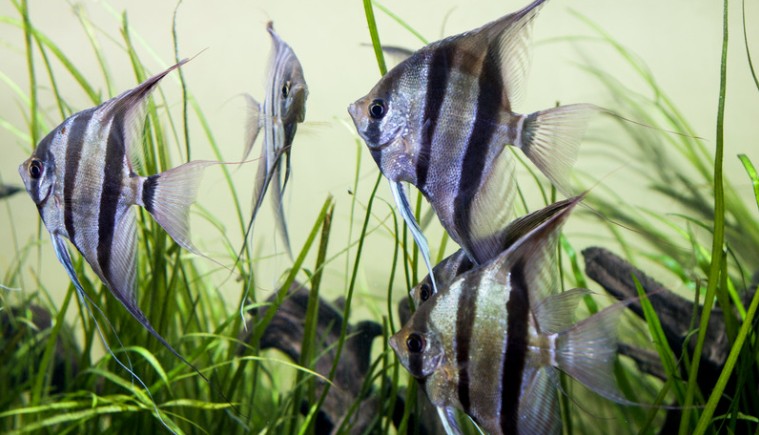
This rarity makes them highly sought after by aquarists, leading to increased interest in breeding them in captivity.
However, true altums are often more challenging to breed than their scalare cousins, which contributes to their scarcity and the allure they hold for fish enthusiasts.
Aquarists often find it difficult to locate these stunning fish in local fish shops, as most are wild-caught, adding to their unique appeal in the aquarium trade.
Additionally, the delicate nature of wild fish and the specific water parameters they require further complicate their availability. With their striking vertical stripes and vibrant coloration, pterophyllum altum fish capture the hearts of many aquarists.
However, their rarity can lead to misinformation and misconceptions about their care, making it crucial for potential owners to educate themselves before bringing these fish home. Understanding their habitat needs and breeding requirements is essential to ensure their well-being in captivity.
What Is the Difference Between Altum and Regular Angelfish?
The primary differences between altum and regular angelfish, such as Pterophyllum scalare, lie in their size, appearance, and care requirements. Altum angel fish, or true altums, typically grow larger, reaching sizes of up to 4.5 inches or more, while scalare angelfish tend to remain smaller.
This size difference is accompanied by distinct physical features; altums often exhibit a more elongated body shape and can display beautiful red striations into their dorsal and anal fins, setting them apart from their scalare counterparts.
Moreover, the water parameters required for pterophyllum altum fish can be more demanding. They thrive in acidic environments with lower hardness levels, which differ from the more forgiving conditions preferred by scalare angelfish.
This distinction means that aquarists should carefully consider the specific needs of altums when setting up their aquarium. Additionally, the breeding habits of altum angelfish can be more challenging, as they require precise conditions to successfully spawn, making them a more intricate choice for both novice and experienced aquarists.
Where to Find Altum Angelfish for Sale?
Finding altum angelfish for sale can be a bit of a challenge due to their rarity in the aquarium trade. Many aquarists recommend checking with specialized local fish shops that focus on exotic or rare fish species.
These shops often have connections with reputable breeders or importers who can provide healthy, wild-caught altums. Online retailers can also be an excellent source for purchasing altum angelfish; however, it is crucial to verify the seller’s reputation before making a purchase.
Another option for sourcing pterophyllum altums is to participate in aquarium clubs or forums where enthusiasts share tips and may even offer fish for sale or trade. This community-based approach often leads to finding quality fish and getting advice from experienced aquarists on the best practices for caring for altum angel fish.
Additionally, attending aquarium expos can provide opportunities to meet breeders and discover reputable sources for these captivating fish. It is essential to ensure that any fish purchased are ethically sourced and healthy to contribute to their conservation in the wild.
How Much Do Altum Angelfish Cost?
The cost of altum angelfish can vary significantly based on factors such as size, breeding status, and source. Typically, wild-caught altums can range from $50 to $150, depending on their size and the seller’s pricing.
In contrast, captive-bred altums may be slightly more affordable, often priced between $30 and $100, though they may still command a premium due to their rarity. The investment in altums angelfish is not just financial; it reflects the commitment to providing proper care and a suitable environment for these unique fish.
Additionally, potential owners should budget for ongoing aquarium maintenance, including water changes, which are vital for keeping altums healthy. The initial cost of setting up a suitable aquarium, including filtration systems, substrate, and decorations, should also be considered.
Invest in quality equipment to ensure that the water parameters remain stable, as altum angel fish thrive in specific conditions. Ultimately, the price reflects the beauty and rarity of these fish, making them a worthwhile addition for dedicated aquarists.
Why Are Altum Angelfish So Expensive?
Altum angelfish are often expensive due to their rarity, unique characteristics, and the challenges associated with breeding them in captivity. Their limited natural base in the Orinoco River basin and the upper rio negro watershed Colombia and Venezuela, South
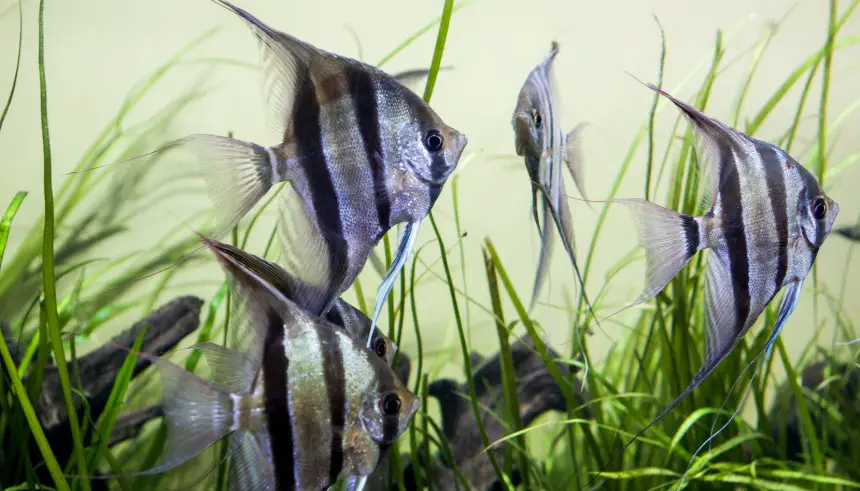
America. watershed makes them less accessible than other angelfish species. Wild-caught fish are typically more costly because of the risks and expenses involved in sourcing them from their native environment, including transportation and handling. Additionally, the demand for these stunning fish often exceeds supply, driving up prices further.
Moreover, the delicate nature of pterophyllum altum fish requires specific care and attention, which can deter potential breeders from attempting to raise them. Successful breeding can be a complex process, requiring precise water conditions and a well-planned setup.
This challenge further increases their market value, as only experienced aquarists are likely to attempt breeding altums. For those who appreciate the beauty and rarity of these fish, the investment is often justified, as they can create a breathtaking display in a well-maintained aquarium.
How Long Do Altum Angelfish Live?
In ideal conditions, altum angel fish can enjoy a lifespan of approximately 10 to 15 years, although some individuals may live even longer with proper care. Their longevity is influenced by the quality of their environment, including water parameters, tank mates, and overall health.
Aquarists must ensure that the aquarium is well-maintained, with regular water changes and appropriate filtration to keep the water clean and stable. Providing a stress-free environment is critical for promoting a long and healthy life for these remarkable fish.
Additionally, it is essential to monitor their diet and health regularly. A varied diet that includes high-quality flakes, pellets, and occasional live or frozen foods can contribute to their overall well-being.
By providing a suitable habitat with plenty of hiding spots and a well-planned aquarium setup, aquarists can help maximize the lifespan of their pterophyllum altums. Furthermore, observing their behavior and being proactive about any health issues can improve their quality of life, ensuring that these stunning fish thrive for many years.
How to Care for Altum Angelfish?
Caring for altum angelfish requires a commitment to maintaining specific water parameters and providing an appropriate tank setup. These fish thrive in a planted tank with soft, acidic water that mimics their natural habitat.
Ideal water conditions include a pH range of around 6.0 to 7.0, a temperature range of 24-28 °C, and low hardness levels (GH). Regular water changes are essential to maintain these parameters and ensure the health of the fish. Additionally, a well-filtered aquarium with gentle water movement is crucial, as wild caught orinoco altums prefer calmer waters.
Providing a balanced diet is also vital for their well-being. A combination of high-quality flake food, pellets, and occasional live or frozen foods, such as brine shrimp and bloodworms, will help promote vibrant colors and healthy growth.
Furthermore, creating a comfortable environment with ample hiding spots and vegetation will reduce stress and encourage natural behaviors. Monitoring their health and behavior is essential, as these fish can be prone to issues like fungus if stressed or kept in poor conditions. By following these guidelines, aquarists can successfully care for altum angels fish and enjoy their captivating presence in the aquarium.
How to Breed Altum Angelfish?
Breeding altum angelfish can be a rewarding yet challenging endeavor for dedicated aquarists. To successfully breed these fish, it is essential to create the right conditions within the aquarium.
Begin by setting up a separate breeding tank that mimics their natural habitat, complete with soft, acidic water and plenty of hiding spots. The ideal temperature should be maintained around 28 °C, which can stimulate spawning behavior. Providing a suitable spawning substrate, such as flat rocks or broad leaves, will encourage the female angelfish to lay her eggs.
Once the breeding pair has formed, it is crucial to monitor their behavior closely. The female will lay eggs, which the male will fertilize shortly after. After spawning, the parents may exhibit protective behaviors, guarding the eggs against potential threats.
It is important to keep the breeding tank clean and free from disturbances during this period. After a few days, the eggs will hatch into fry, which require special care, including appropriate food and water conditions.
By ensuring these factors are met, aquarists can increase their chances of successfully breeding pterophyllum altum fish and contributing to the preservation of this magnificent species.
How Big Do Altum Angelfish Get?
Altum angelfish are known for their impressive size, with adults typically reaching lengths of up to 4.5 inches or more. This size can vary depending on factors such as genetics, diet, and the conditions in which they are tank raised.
In captivity, proper care and a spacious aquarium can facilitate optimal growth, allowing these fish to thrive. Unlike their smaller scalare relatives, altums require ample swimming space to accommodate their larger bodies and active behavior.
When keeping pterophyllum altum cichlid fish, it is essential to provide a tank that accommodates their size. A minimum tank size of 50 gallons is often recommended to allow for swimming and territorial behavior.
In addition to size, consider the height of the tank, as altums have a more vertical body shape and appreciate tall aquariums with plenty of vertical swimming space.
As these fish grow, proper tank maintenance and water quality become even more critical to ensure their health and longevity. By understanding their growth potential, aquarists can create a suitable environment that allows altum angels to reach their full size and flourish.
Conclusion
The Peruvian altum cichlid fish is a stunning and unique freshwater fish that requires dedicated care and attention. From understanding their rarity and breeding habits to providing the ideal tank setup and water parameters, aquarists can create a thriving environment for these majestic fish. Their beauty and grace are unmatched, making them a worthwhile investment for any passionate fish keeper. By following the guidelines outlined in this article, you can ensure that your altum angelfish not only survive but thrive in your aquarium for years to come.
Recommended posts
- Are Angelfish Saltwater Fish? Discover Their Ideal Habitat
- The Complete Guide to Angelfish Tank Set up and Breeding Tips
- Best Angel fish Plants for Happy Fish – Aquarium Care Tips
- Breeding of Angel fish – A Complete Guide for Beginners
- Different Types of Angelfish: Stunning Varieties for Your Tank