What is the minimum bristlenose catfish tank size? Are you a proud owner of a Bristlenose catfish? Are you wondering why your beloved fish isn’t thriving as it should be? Well, one major factor that could impact their health and well-being is the size of their tank.
Choosing the right tank size for your Bristlenose catfish is crucial for their overall health and happiness.
In this comprehensive bristlenose pleco care guide, we’ll discuss everything you need to know about the three huge mistakes many Bristlenose catfish owners make regarding fish tank size and how to avoid making the same errors.
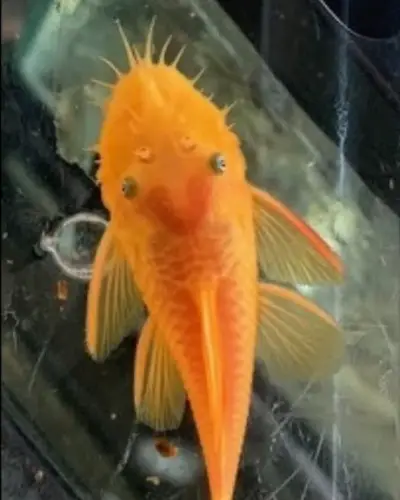
From insufficient space for growth to inadequate filtration and water quality, several common mistakes can harm your Bristlenose catfish.
By understanding the specific needs of these unique aquarium fish and providing them with the appropriate tank size, you can ensure they thrive and live a healthy, fulfilling life.
Whether you’re a new Bristlenose catfish owner or a seasoned hobbyist, you must be aware of these mistakes and take the necessary steps to create a suitable environment for your beloved pets.
What Tank Size Does a Bristlenose Pleco Need?
The Bristlenose Pleco, also known as the Bristlenose Catfish, is a popular freshwater fish in the aquarium hobby. Regarding tank size, providing at least a 20-gallon tank for a single Bristlenose Pleco is recommended.
However, if you plan on keeping multiple Bristle nose Plecos or other fish in the same tank, a larger tank must accommodate their space needs.
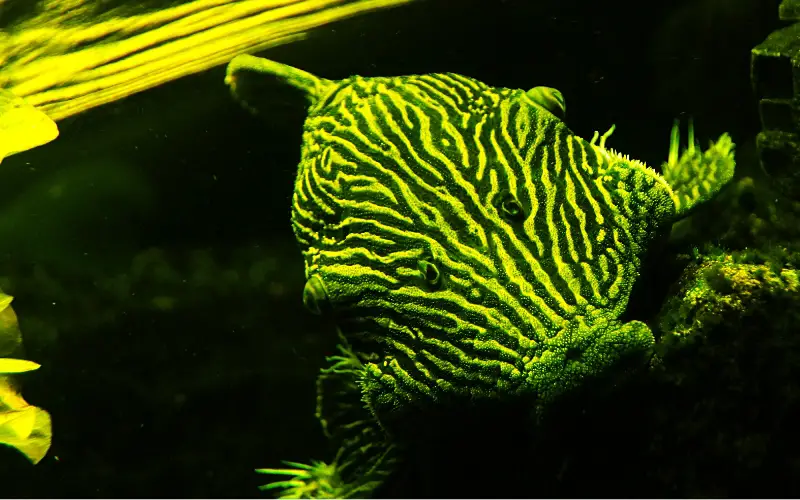
Bristlenose Plecos are known to grow to around 4-5 inches in length, so they require enough room to swim and explore. A larger tank also allows for better water quality and easier maintenance.
It is crucial to consider the fish’s adult size and provide an appropriate tank size to ensure their well-being and comfort.
Overall, a 20-gallon tank is sufficient for a single Bristlenose Pleco. Still, a larger tank is recommended for multiple fish to provide a more natural and healthy environment for these unique and exciting fish.
The minimum tank size for a bristlenose pleco
The recommended minimum tank size for a bristlenose pleco is 20 gallons if it is the only fish in the tank. However, if other fish are in the tank, the minimum size should be 30 gallons. This is because bristlenose plecos can grow 5 inches long and produce much waste.
Here is a breakdown of the recommended minimum size tank for bristlenose catfish based on the number of fish:
- 1 bristlenose pleco: 20 gallons
- 2 bristlenose plecos: 30 gallons
- 3 bristlenose plecos: 40 gallons
- 4 bristlenose plecos: 50 gallons
It is important to note that these are just minimum recommendations. A larger tank will always be better for your bristlenose pleco, giving them more space to swim and hide. Additionally, a larger tank will help dilute the waste concentration in the water, which can help keep the water quality stable.
How Many Bristlenose Plecos in an Aquarium?
The number of Bristlenose Plecos you can keep in an aquarium depends on the size of the tank and the other fish species present. Generally, it is recommended to have one bristlenose pleco per 15 gallons of water.
These algae eaters fish are known for their efficient algae-eating abilities and peaceful nature, so that they can be a great addition to a community tank. However, remember that they produce a moderate amount of waste, so the aquarium should be equipped with a quality filtration system.
Additionally, suppose you have a heavily planted tank. In that case, you may be able to keep a more significant number of Bristlenose Plecos as they will have more algae to feed on and more hiding spots to claim as their territory. Continuously monitor the behavior and health of your fish to ensure they are thriving in their environment.
Ultimately, the number of Bristle nose Plecos you can keep will depend on the specific circumstances of your freshwater aquarium setup.
3 DEADLY Bristlenose Catfish Tank Size Mistakes
Common Mistake 1: Ignoring Bristlenose Catfish Growth Patterns
Bristlenose Catfish, known for their distinct bristle-like appendages, undergo significant growth. Ignoring their growth patterns is a colossal mistake. These fascinating creatures can reach lengths of 4 to 6 inches, and a failure to accommodate their growth may lead to overcrowded and stressful conditions.
Common Mistake 2: Underestimating Tank Space Requirements
Underestimating the space Bristlenose Catfish need can result in an overcrowded tank, adversely affecting their behavior and overall health. A cramped environment may lead to territorial disputes and hinder their natural behaviors, such as scavenging for algae and exploring their surroundings.
Common Mistake 3: Neglecting Environmental Considerations
Beyond mere size, overlooking environmental considerations is a prevalent blunder. Bristlenose Catfish thrive in well-maintained tanks with appropriate substrate, filtration, and decorations. Neglecting these factors can lead to poor water quality, stressing the catfish and compromising their immune system.
What Kind of Filtration Do Bristlenose Pleco Need?
Bristlenose Plecos are active fish that come from fast-flowing rivers. As a result, they require a strong filtration system with good water flow throughout their breeding tank. They also produce a lot of waste, so the filter needs to be able to handle the bioload.
Here are the types of filtration that are suitable for Bristlenose Plecos:
- Canister filters are the best option for Bristlenose Plecos because they are powerful and can handle large bioloads. They also provide excellent mechanical and biological filtration.
- Hang-on-back (HOB) filters: These are a good option for smaller tanks. They are not as powerful as canister filters but are still effective at filtering water.
- Sponge filters: These are a good option for fry tanks or tanks with delicate fish. They are gentle and quiet but do not provide as much filtration as other types of filters.
- Internal filters: These are a good option for small tanks. They are less potent than other filters but easy to install and maintain.
Here are some additional tips for choosing a filter for a Bristlenose Pleco:
- Choose a filter rated for a tank that is at least twice the size of your tank. This will ensure that the filter is powerful enough to handle the bioload.
- Make sure the filter has a reasonable flow rate. Bristlenose Plecos need a lot of water movement, so choose a filter that can create a strong current.
- Choose a filter that has a pre-filter. This will help to trap large debris and prevent it from clogging the filter.
- Clean the filter regularly. This will help to keep the filter running efficiently and prevent it from becoming a source of ammonia and nitrite.
Here are some specific filter recommendations for Bristlenose Plecos:
- Fluval FX6 High-Performance Canister Filter: This is an excellent option for large tanks. It is powerful, quiet, and easy to maintain.
- AquaClear 70 Power Filter: This is a good option for smaller tanks. It is powerful and quiet, and it has a pre-filter.
- Marineland Penguin 350 Bio-Wheel Power Filter: This is a good option for tanks up to 75 gallons. It is powerful and easy to maintain.
- Sponge Filter: This option suits fry tanks or tanks with delicate fish. It is gentle and quiet but does not provide as much filtration as other types of filters.
No matter what type of filter you choose, make sure that it is powerful enough to handle the bioload of your tank and that it provides good water flow. With proper filtration, your Bristlenose Pleco will thrive in your aquarium.
Preparing and Setting up your Lovely Bristlenose Pleco Tank
Preparing and setting up a tank for your Bristle Nose Pleco requires careful consideration of the fish’s specific needs. First, choose an appropriate bristlenose pleco tank size.
A 20-gallon tank is suitable for a single Bristlenose Pleco, but if you plan to keep more than one, opt for a larger tank to provide enough space for each fish.
Next, consider the tank decorations. Bristlenose Plecos are known to be territorial, so providing plenty of hiding spots and caves for them to claim as their own is essential. These fish also prefer subdued lighting, so add some driftwood and live plants to provide shade and shelter.
Regarding water parameters, Bristlenose Plecos thrive in slightly acidic water with a pH of around 6.5 to 7.5. Finally, add a good filtration system to keep the tank clean and maintain optimal water conditions for your Bristlenose Pleco.
By carefully preparing and setting up the tank to meet the needs of your fish, you can ensure a healthy and thriving environment for your Bristlenose Pleco.
Bristlenose Pleco Tank Conditions
Bristlenose plecos are easy to care for, relatively hardy, and adaptable to various water conditions, but understanding their ideal tank setup is crucial for their health and well-being. Here’s a breakdown of the essential Bristlenose pleco tank conditions:
Tank Size:
- Minimum: 20 gallons for a single pleco. Add 10 gallons for each additional pleco.
- Ideal: 30 gallons or larger provides ample space for swimming, hiding, and territorial behavior.
Water Parameters:
- Water Temperatures: 73-80°F (23-27°C).
- pH: 6.5-7.5.
- Hardness: Less than 200 ppm.
- Ammonia and Nitrites: 0 ppm.
- Nitrates: Below 20 ppm.
Water Flow and Filtration:
- Flow: Moderate to vigorous. They prefer well-oxygenated water with some current.
- Filtration: Efficient and powerful filtration system. Canister filters are a good option.
- Water Changes: Weekly 25% water changes to maintain water quality.
Substrate:
- Smooth, fine sand or gravel. They sift through the substrate for food scraps and algae.
- Avoid sharp gravel or rocks that can damage their whiskers.
Decorations:
- Hiding places: Driftwood, rocks, caves, and plants provide security and reduce stress.
- Driftwood: Offers a source of biofilm, which is part of their natural diet.
- Plants: Provide oxygen, help maintain water quality, and offer additional hiding spots.
- Live plants: Choose species that can tolerate moderate to strong water flow.
Diet:
- Primarily herbivores, feeding on algae, biofilm, and plant-based foods.
- Supplement their diet with sinking algae wafers, blanched vegetables, and high-quality flake food.
- Avoid overfeeding, as it can pollute the water and harm their health.
Compatibility:
- Generally peaceful and can be kept with other community fish that share similar water parameters.
- Avoid aggressive fish that may bully or harm them.
- Be cautious when keeping multiple male Bristlenose plecos together, as they can become territorial.
Here are some additional tips for keeping Bristlenose plecos happy and healthy:
- Provide dim lighting: Bristlenose plecos are nocturnal and prefer low-light environments.
- Perform regular maintenance: Clean the filter, change the water, and remove any uneaten food to maintain water quality.
- Test water parameters regularly: Monitor pH, ammonia, nitrite, and nitrate levels to ensure they are within the ideal range.
- Quarantine new fish before introducing them to the main tank: This helps prevent the spread of diseases.
Following these guidelines, you can create a thriving environment for your Bristlenose pleco and enjoy its presence for many years.
Recommended bristlenose catfishes Tank Mates
Bristlenose catfish make great tank mates for various fish due to their peaceful and non-aggressive nature. They can easily coexist with other delicate community fish, such as tetras, guppies, mollies, and peaceful cichlids.
However, avoiding keeping them with aggressive or predatory fish, such as large cichlids, bettas, or aggressive barbs, is essential as they may become aggressive targets.
Additionally, it is essential to consider the size of the tank and the individual temperament of the specific fish when choosing tank mates for bristlenose catfish.
They are generally bottom-dwellers, so it is essential to choose tank mates that primarily occupy the mid and upper levels of the tank to avoid overcrowding and competition for space.
With proper consideration and thoughtful selection, bristlenose catfish can make excellent tank mates and contribute to a harmonious and balanced aquarium community.
Commonly Asked Questions & FAQs about bristlenose plecos tank size
How big of a tank do you need for a Bristlenose?
A Bristlenose needs a minimum of 25 gallons, but more significant is better. If kept with other fish, adjust size accordingly. Consider a 20-long for a breeding pair.
Can I keep a Bristlenose pleco in a 5-gallon tank?
No, a 5-gallon tank is too small for a Bristlenose pleco. They need at least 20 gallons and grow up to 5 inches long.
Can a Bristlenose pleco live in a 20-gallon?
Yes, a Bristlenose pleco can live in a 20-gallon tank, but it’s considered the minimum size. They can grow up to 5 inches long and produce a lot of waste, so a larger tank is ideal. Make sure to provide plenty of hiding places and keep the water clean.
What is the minimum tank for a pleco?
A minimum tank size of 20 gallons is recommended for a Pleco. Ensure proper filtration, hiding spots, and compatibility with tankmates for their well-being in captivity.
What size tank do Bristlenose Catfish need?
Bristlenose Catfish thrive in a 20 to 30-gallon tank, providing sufficient space for their growth and natural behaviors.
How often should the tank size be upgraded?
Tank size upgrades should be considered as the catfish grow, ensuring they have ample space to move and explore.
Can Bristlenose Catfish adapt to smaller tanks?
While they can adapt, smaller tanks may lead to stress and territorial issues, impacting their overall well-being.
Is a larger tank always better for Bristlenose Catfish?
While a larger tank is generally beneficial, balancing size with other environmental factors is essential for optimal health.
Do Bristlenose Catfish prefer taller or wider tanks?
Bristlenose Catfish prefer wider tanks, providing more horizontal swimming space.
What signs indicate the tank size is inadequate?
Aggressive behavior, reduced activity, and poor health can indicate that the tank size is insufficient for Bristlenose Catfish.
Where do Bristlenose come from?
The Bristlenose Pleco, also known as the Ancistrus cirrhosus, is a fascinating fish with a unique home. These algae eaters are native to South America, specifically the fast-flowing rivers and streams of the Amazon Basin.
How long does it take for Bristlenose eggs to hatch?
Bristlenose pleco eggs typically hatch within 3-5 days, depending on water temperature. Warmer water (around 80°F) speeds up the process.
Conclusion
In conclusion, the bristlenose catfish require a tank of suitable size to thrive. A minimum size tank for bristlenose catfish of 20 gallons is recommended for a single adult bristlenose catfish, with an additional 10 gallons per other adult fish. This tank size allows for adequate swimming space and ensures good water quality and proper filtration. A larger bristlenose pleco tank size, such as 30-40 gallons, is even more ideal for accommodating the catfish’s natural behaviors and providing ample room for swimming and hiding.
It is essential to consider the tank size not only for the comfort and well-being of the fish but also for the overall health of the aquarium ecosystem. In a larger tank, it is easier to maintain stable water parameters and support a healthy community of fish and other aquatic organisms. Therefore, it is essential for fish keepers to carefully consider the bristlenose catfish tank size when setting up an aquarium.
You might also like
- Bristlenose Pleco Lifespan: 12 Years?! Shocking Truth!
- TOP 10 Best Pictus Catfish Tank Mates for Thriving Aquarium
- Bristlenose Pleco Species Profile: (A Comprehensive Guide)
- Bristlenose Pleco Size: A Comprehensive Beginners Guide!
- Ultimate Rubber Lipped Pleco Care Guide: Price, Size & More