How long do rabbit snails live in captivity? Rabbit snails, also known as Tylomelania, are unique and intriguing creatures that have become increasingly popular among aquarium enthusiasts in recent years.
These freshwater snails are known for their distinctive appearance, with a long and spiraled shell that resembles a rabbit’s ear, hence the common name.
One common question among those considering adding rabbit snails to their aquarium is, “How long do they live?”
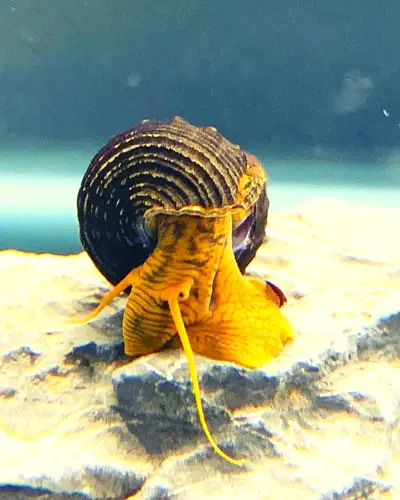
The lifespan of a rabbit snail can vary depending on various factors such as water quality, diet, and tank conditions. On average, rabbit snails can live anywhere from 2 to 5 years in captivity, though some have been known to live even longer with proper care.
In this article, we will delve deeper into the factors that can influence the life span of rabbit snails and provide tips on ensuring these fascinating creatures live a long and healthy life in your aquarium.
Whether you are a seasoned aquarist or a beginner looking to add some unique inhabitants to your tank, understanding the lifespan of rabbit snails is essential for their well-being.
Rabbit Snail Lifespan: How Long Do Rabbit Snails Live?
With proper care, rabbit snails can live for 1 to 3 years, or even longer sometimes! They are a relatively long-lived freshwater snail species for the aquarium hobby.
Here are some tips for keeping your rabbit snail healthy and happy, which will help them live a long life:
- Provide them with a clean and well-maintained aquarium.
- Feed your rabbit snails a balanced diet of algae, vegetables, and fish flakes.
- Maintain the proper water temperature and parameters for their needs.
- Avoid keeping them with aggressive fish that could prey on them.
Rabbit Snails Maturity & Breeding Rate
Rabbit snails reach maturity when they are around 1.5 to 2 inches long. Once mature, they can breed moderately, producing a baby snail every few weeks. Rabbit snails can thrive and reproduce in a suitable environment with proper water parameters and substrate.
They are often kept in freshwater tanks alongside other compatible tank mates like nerite snails and mystery snails. Regarding feeding, rabbit snails enjoy algae wafers, pellets, and plant matter.
It is essential to keep in mind that rabbit snails are also slow eaters and may require time to consume their food. Overall, rabbit snails are interesting creatures to keep in an aquarium, adding variety and activity to the tank.
Rabbit snails come in various colors, including white spotted rabbit snails, black rabbit snails, orange rabbit snails, and yellow rabbit snails. These rabbit snails can be found in pet stores or online retailers.
When keeping rabbit snails, it is essential to provide them with a suitable tank size of at least 30 gallons to accommodate their growth.
Additionally, rabbit snails are compatible with other snail species, such as Malaysian trumpet snails and assassin snails. It is crucial to consider the compatibility of tank mates when introducing new snails to the aquarium.
Gold Rabbit Snail Tank Size
The ideal tank size for a Gold Rabbit Snail depends on the number of snails you plan to keep.
- Minimum tank size: A single Gold Rabbit Snail can thrive in a well-maintained 10-gallon tank.
- Recommended tank size for rabbit snails: For optimal health and growth, a 20-gallon tank or larger is recommended, especially if you plan on keeping multiple snails.
Here’s why tank size matters for Gold Rabbit Snails:
- They are relatively large snails, reaching up to 4 inches in shell length.
- They are active foragers and need enough space to explore.
- They produce much waste, so a larger tank helps maintain good water quality.
If you’re tight on space, a 10-gallon tank can work for a single snail, but be prepared for more frequent water changes to keep the water parameters in check.
Rabbit Snail/Elephant Snail Care
Elephant or rabbit snails are peaceful creatures that add great to a community tank. These snails like to feed on soft algae, decaying plant matter, and blanched vegetables. They can also be supplemented with sinking pellets to ensure proper nutrition.
Rabbit snails have been known to grow quite large, with some reaching the size of a baby rabbit. It is crucial to provide a tank size of 30 gallons for rabbit snails, as they are quite active creatures.
When breeding rabbit snails, the male will transfer sperm to the female, laying eggs that hatch into fully formed baby rabbit snails.
Several types of rabbit snails available, such as Sulawesi and pond snails. Rabbit snails can’t be housed with aggressive tank mates, as they are peaceful creatures that get along well with most fish.
When setting up a tank for rabbit snails, provide plenty of hiding spots and avoid placing them near filter intakes, as their operculum can get stuck. Java ferns and other aquarium plants can provide a natural habitat for rabbit snails, as they enjoy algae growing on surfaces.
Rabbit Snail Care Issue
Here are some common rabbit snail care issues:
- Improper water conditions: Rabbit snails need hard, alkaline water with a pH of 7.5 to 8.5. Soft, acidic water will cause their shells to erode. They also need water high in calcium necessary for solid shell growth. You can maintain hardness and a higher pH in the water by adding stones (Seiryu stone is a famous example) made of carbonate calcium. Another option is adding crushed coral or oyster shells into the aquarium filter.
- Poor water quality: Ammonia and nitrite levels should be at 0 ppm, and nitrate levels should be kept in check. Rabbit snails are sensitive to poor water quality, so performing regular water changes and maintaining a good filtration system is essential.
- Lack of calcium: As mentioned earlier, rabbit snails need calcium for solid shell growth. If the water lacks calcium, their shells will become soft and brittle. You can supplement their diet with calcium-rich foods, such as blanched spinach or kale, or add a cuttlebone to the aquarium.
- Sharp substrate: Rabbit snails burrow through the substrate for food, so using a soft substrate such as sand or aquarium soil is essential. Sharp gravel can injure their bodies and feet.
- Incompatible tankmates: Rabbit snails are peaceful creatures, but they can be preyed upon by larger fish such as cichlids, puffers, and loaches. Choose tankmates that are peaceful and snail-safe.
If you notice any of these signs in your rabbit snail, it may be a sign of a health problem:
- Lethargy or inactivity
- Loss of appetite
- Cracked or eroded shell
- Difficulty moving
If you think your rabbit snail is sick, take steps to improve its water quality and environment. You may also want to quarantine the snail in a separate tank to prevent it from spreading disease to other tank inhabitants.
Rabbit Snails Best Tank Mates
Rabbit snails make great tank mates for a variety of other aquatic animals. Here are some ideal tank mates for rabbit snails:
- Other Snails (Except Assassin Snails): Mystery snails, nerite snails, ramshorn snails, Japanese trapdoor snails, and Malaysian trumpet snails are good companions for rabbit snails. Assassin snails, however, are predatory and will eat rabbit snails.
- Freshwater Shrimp: Amano shrimp, ghost shrimp, red cherry shrimp, wood shrimp, and viper shrimp can all co-exist peacefully with rabbit snails.
- Small Peaceful Fish: Small tetras, rasboras, and Japanese rice fish are good choices for rabbit snail tank mates.
- Livebearers: Livebearers like guppies and platies can also thrive with rabbit snails because they prefer similar water conditions.
- Bottom feeders: Corydoras and otocinclus catfish are peaceful bottom feeders that will not bother rabbit snails.
Here are some things to keep in mind when choosing tank mates for rabbit snails:
- Avoid large fish that could eat the rabbit snails.
- Avoid aggressive fish that could harass the rabbit snails.
- Make sure the other fish have similar water parameter requirements as rabbit snails.
Some Different Types Of Rabbit Snails: (7 Rabbit Snail Species)
Rabbit snails, also known as elephant snails or poso snails, are a genus of freshwater snails belonging to the Tylomelania family.
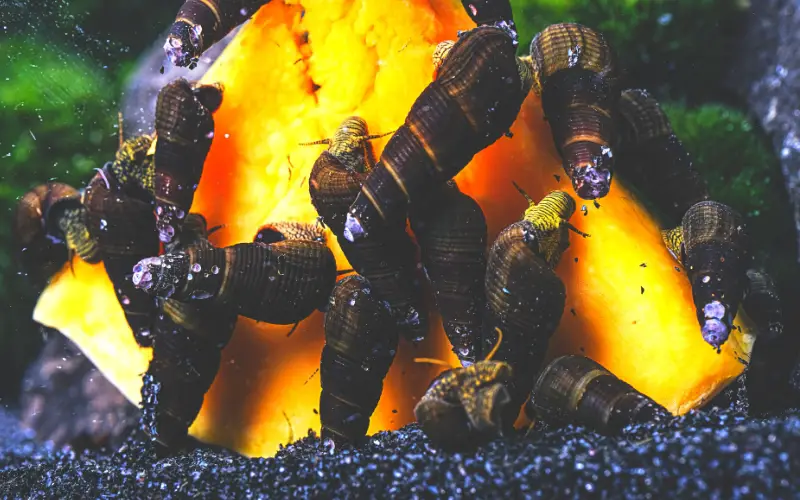
They are popular aquarium snails prized for their exotic looks and algae-eating abilities. Here are several different types of rabbit snails:
- Golden Rabbit Snail (Tylomelania gemmifera): This is the most common type of rabbit snail found in the aquarium trade. They have a golden yellow body and a dark brown or black shell with 9 to 10 whorls.
- Orange Poso Rabbit Snail (Tylomelania naranjasa): As the name suggests, these snails have an orange-colored body and brown shells. They are smaller than the Golden Rabbit Snail, reaching a maximum size of around 2 inches.
- Yellow Rabbit Snail (Tylomelania towutica): These snails have a bright yellow body and a brown shell. They are another relatively small species, typically about 1.5 inches long.
- Chocolate Rabbit Snail (Tylomelania sp.): These snails have a dark brown or black body and a brown shell. Rabbit snails chocolate are one of the larger species of rabbit snail, reaching up to 4 inches in length.
- Black Rabbit Snail (Tylomelania sp.): These snails have a black body and a brown shell. They are a relatively new addition to the aquarium hobby and are less common than some other species.
- White Spotted Rabbit Snail (Tylomelania sp.): These snails have a white body with brown spots and a brown shell. They are another relatively new addition to the aquarium hobby and are less common than some other species.
- Yellow Flake Rabbit Snail (Tylomelania sp.): These snails have a yellow body with brown flakes and a brown shell. They are a relatively new addition to the aquarium hobby and are less common than some other species.
It’s important to note that there are many other species of rabbit snails out there, and new ones are constantly being discovered. The ones listed above are just a few of the most popular and readily available species in the aquarium trade.
Frequently Asked Questions about Rabbit Snail Breeding life (FAQs)
Are rabbit snails easy to keep?
Rabbit snails are generally considered easy to care for. They thrive in stable aquariums with hard water and fine sand substrate. While peaceful, their large size and occasional plant nibbling require some research for tank setup and tankmates.
Can rabbit snails reproduce asexually?
No, rabbit snails reproduce sexually. They need both a male and a female for breeding. This keeps their population growth in check.
How many babies do rabbit snails have at once?
Rabbit snails typically lay one or two babies in an egg sack every 4-6 weeks. Their reproduction rate is slow compared to other snails.
Are rabbit snails rare?
Rabbit snail rarity varies. Common species are readily available, but some colorful or giant varieties are rare and expensive.
Are rabbit snails hard to breed?
Rabbit snails are relatively easy to breed. They need a healthy tank, both sexes present, and patience. Their slow reproduction makes them manageable.
What is the lifespan of a rabbit snail?
How long do rabbit snails live? With good care, rabbit snails can live for three years or even longer in aquariums. They’re relatively long-lived tank inhabitants.
What size tank does a rabbit snail need?
The recommended minimum tank size for Rabbit Snails is 30 gallons. A single rabbit snail can thrive in a 10-gallon tank, but a 20-gallon or larger is ideal. Rabbit snails can grow big and love to roam!
Conclusion
So, how long do rabbit snails live in aquariums? In conclusion, rabbit snails are captivating creatures that can elevate your aquarium’s beauty and functionality. Their vibrant colors and distinct shapes make them a delightful addition to aquatic environments. Not only do they serve as eye-catching inhabitants, but they also play a crucial role in maintaining a healthy ecosystem by consuming excess algae and decaying matter. You can ensure their longevity and well-being by providing a well-balanced diet, suitable water conditions, and enough space to explore.
So, if you’re considering welcoming rabbit snails into your aquatic haven, be prepared for a rewarding experience. Remember to stay curious, observe their behaviors, and provide them the care they deserve. And if you ever find yourself pondering the question, “How long do rabbit snails live?” – well, let’s embark on this journey together, discovering the wonders of these amazing creatures.
You might also like
- Ultimate Rabbit Snails Care Guide: Tankmates Breeding & More
- Golden Rabbit Snail 101: Tank Requirements & Care Tips
- What Can Rabbit Snails Eat: (5 Foods They Can’t Resist!)
- How Big Does Rabbit Snail Get in a Tank: (Quick Facts!)
- Rabbit Snail Breeding 101: A Comprehensive Beginner’s Guide
- Rabbit Snail Shell Colors 101: AMAZING Shades You Won’t Believe!
- Do Rabbit Snails Breed Asexually: (The Shocking Truth)
- Reasons Rabbit Snail Not Moving in Aquarium: (Troubleshooting Tips)
- How Do Rabbit Snails Give Birth: (Mind-Blowing Facts)
- The Lifespan of Rabbit Snail: 5 Secrets to Double Their Years!
- Mini Rabbit Golden Snails 101: Secrets for Raising Like a Pro!