How do mystery snails reproduce in aquarium? If you’re fascinated by these peaceful freshwater creatures, understanding their breeding process can be both exciting and rewarding. This guide will walk you through everything you need to know, from their reproductive behavior to expert tips for successful breeding.
Mystery snails reproduce sexually, meaning both a male and female are required for fertilization. The female lays eggs above the waterline in a gelatinous cluster, which hatch in about two to four weeks.
Providing optimal conditions like warm water, proper humidity, and a balanced diet can significantly improve breeding success.
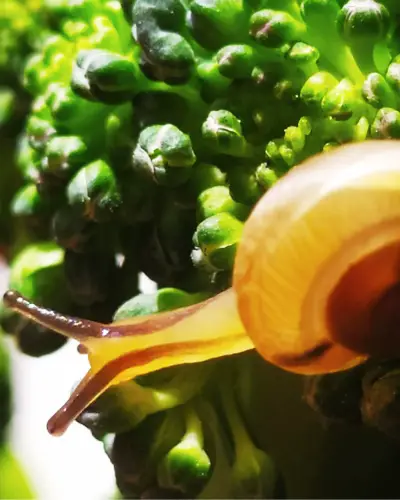
Want to ensure a thriving snail colony in your aquarium? Aquatic expert Rachel O’Leary emphasizes the importance of maintaining stable water parameters and a safe environment for egg-laying. Let’s dive deeper into the step-by-step process of breeding mystery snails like a pro!
How Do Mystery Snails Reproduce?
Mystery snails reproduce sexually, which means they require both female and male snails to mate. During the mating process, the male will attach himself to the female using his specialized reproductive organ.
After successful mating, the female snail will lay a clutch of eggs, typically consisting of 50-200 eggs, above the water line to protect them from being eaten by fish or other aquatic creatures.
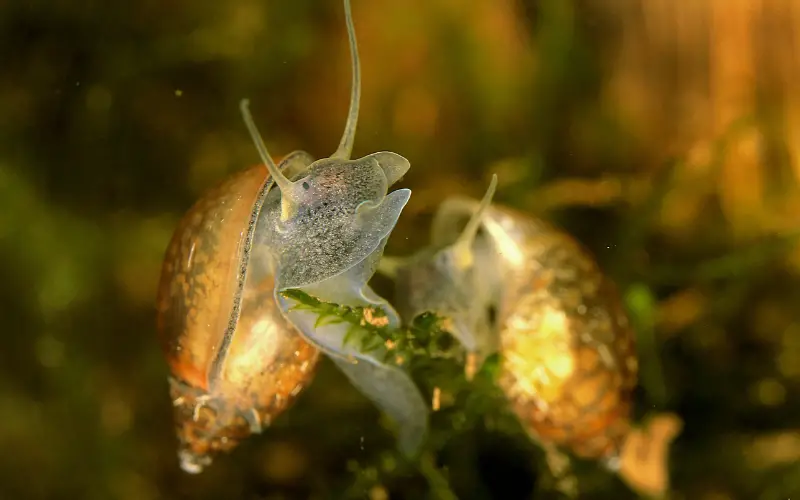
The egg clutches are usually laid in a jelly-like substance that helps keep them moist. The conditions in the aquarium, such as water temperature and quality, play a crucial role in determining how quickly the eggs will hatch.
It is essential to maintain optimal water conditions for breeding mystery snails. Fresh water snails thrive in water with a stable temperature, typically between 68°F to 82°F, and the right balance of calcium is vital for the development of healthy baby mystery snails.
With proper care, the eggs will hatch within 2 to 4 weeks, depending on the environmental conditions. Once hatched, the baby snails will begin to explore their surroundings, searching for algae and other food sources available in the tank.
The Ultimate Guide to Freshwater Mystery Snails: Care, Behavior, and Benefits
Freshwater mystery snails are relatively easy to care for, making them a popular choice for beginner aquarists. They help maintain a clean aquarium by consuming algae and leftover fish food, which contributes to the overall health of the tank.
Providing hiding places and ample space within the aquarium is essential, as these snails enjoy exploring their environment and establishing territories. Additionally, regular water changes are crucial to sustaining water quality, which directly impacts the health of the snails.
Understanding the behavior of mystery snails can enhance your breeding experience. These snails are social creatures, and having more than one snail in the tank can encourage mating behaviors.
A well-maintained tank with stable water conditions and a varied diet will allow mystery snails to thrive. Foods like algae wafers and pellets can be introduced to ensure that both adult snails and baby mystery snails have sufficient nutrition to grow and reproduce effectively.
Breeding mystery snails in 5 steps
To successfully breed mystery snails, follow these five essential steps. First, ensure you have at least one male and one female snail in your aquarium. Second, create an environment that mimics their natural habitat, including stable water temperature and quality.
Third, provide ample hiding places and surfaces for egg-laying. Fourth, monitor the snails’ mating behavior and ensure they are healthy. Lastly, maintain proper water conditions to allow the eggs to hatch successfully.
By following these steps, you can maximize your chances of breeding mystery snails. After introducing a female snail, watch for signs of mating, which can include the male following the female closely or attempting to climb onto her shell.
Providing a calcium-rich diet will support the development of the eggs and the growth of baby mystery snails. Once the eggs hatch, be prepared to care for the new arrivals, ensuring they have access to food and a safe environment to flourish.
Here’s a simple 5-step guide to help you successfully breed mystery snails:
Step 1: Set Up the Right Environment
- Tank Size: Use at least a 10-gallon tank to provide enough space for the snails.
- Water Parameters: Maintain a pH of 7.0–8.0, temperature between 68°F–82°F (20°C–28°C), and keep the water clean with regular water changes.
- Substrate: Use soft sand or smooth gravel to prevent damage to their delicate bodies.
- Calcium Source: Add a calcium source (cuttlebone, crushed coral, or calcium-rich foods) to support healthy shell growth.
Step 2: Ensure You Have Both Male and Female Snails
- Mystery snails are not hermaphrodites, so you need both a male and female to breed.
- Sexing mystery snails is tricky, but males have a visible reproductive organ near their right tentacle when they are active and ready to mate.
Step 3: Provide Optimal Conditions for Breeding
- Food: Feed them a balanced diet of algae wafers, blanched vegetables (zucchini, spinach, cucumber), and calcium-rich foods.
- Water Level: Lower the water level by 2–3 inches to encourage the female to lay eggs above the waterline.
Step 4: Look for Egg Clutches
- Female mystery snails lay pink or white egg clutches above the waterline, usually on the tank walls, lid, or decorations.
- Keep the eggs moist but not submerged. They need high humidity to hatch.
Step 5: Care for the Eggs and Hatchlings
- Incubation: Eggs typically hatch in 2–4 weeks, depending on temperature and humidity.
- Hatchlings: Once the snails hatch, they will drop into the water. Provide finely crushed food or algae powder for the baby snails to eat.
- Tank Safety: Ensure the tank is free of predators (like aggressive fish) that might harm the baby snails.
By following these steps and maintaining a clean, stable environment, you can successfully breed and raise mystery snails!
Remember Calcium: To maintain their shells, Mystery Snails need a steady source of calcium.
Male vs female mystery snails
Distinguishing between male and female mystery snails is essential for successful breeding. Male snails tend to be smaller and have a narrower, more elongated shell shape compared to females, which are typically larger and have a rounder shell.
Additionally, during mating, males display a unique behavior by climbing onto the females’ shells to engage in the mating process. Understanding these differences can help aquarists maintain balanced populations in their tanks.
Another way to differentiate between female and male mystery snails is by observing their reproductive anatomy.
Only females can lay eggs, so if you see a clutch of eggs above the waterline, you can be sure a female snail is present. Properly identifying male and female snails allows aquarists to manage breeding effectively, ensuring the right conditions are met for successful reproduction and a thriving aquarium ecosystem.
Conclusion
In conclusion, breeding mystery snails can be a rewarding experience for aquarists, adding value to their fresh water tanks. By understanding how do mystery snails reproduce, providing the necessary care, and ensuring optimal tank conditions, you can successfully breed these charming creatures. Remember to distinguish between male and female snails, maintain proper water quality, and provide a balanced diet to encourage healthy growth and reproduction. With these tips in mind, you can enjoy the journey of nurturing baby mystery snails and creating a vibrant aquatic environment.
By following the guidelines outlined in this article, you will be well on your way to becoming an expert in breeding mystery snails. These unique snails not only enhance the visual appeal of your aquarium but also contribute to its overall health. As you embark on your breeding journey, keep in mind the importance of water conditions, calcium levels, and the social dynamics of your snails to ensure a successful and enjoyable experience. Happy breeding!
You might also like
- Are Mystery Snails Asexual Creatures (Unveiling the Secrets)
- How Long Does It Take for Mystery Snail Eggs to Hatch (FAQ)
- How Many Mystery Snails Per Gallon Is Ideal: (Expert Advice)
- Mystery Snail Reproduction Process 101 (Expert Care Tips)
- How Big Do Mystery Snails Get: A Comprehensive (Care Guide)
- 7 Stunning Mystery Snail Colors You Never Knew Existed!
- Baby Snails Appeared in My Fish Tank Good OR Bad! (Surprise)