Have you ever wondered How Big Does Guppies Get? Whether you’re a seasoned aquarium enthusiast or just getting started, understanding the growth potential of your guppies is key to providing them with the best care. In this full guide, we’ll explore everything you need to know about their growth and size, so you can ensure your guppies live their best life.
Guppies typically grow to about 1 to 2 inches in length, with males being smaller than females. adult guppy size can vary depending on factors like genetics, diet, and tank conditions.
With proper care, guppies can thrive and reach their full growth potential. But there’s more to their growth than just size.
Let’s dive into the factors that influence guppy growth, including breeding, tank environment, and nutrition, so you can create the ideal setup for your aquatic friends.
Ready to learn how big can a guppy get? Keep reading for all the insights!
Guppy Fish Species Overview
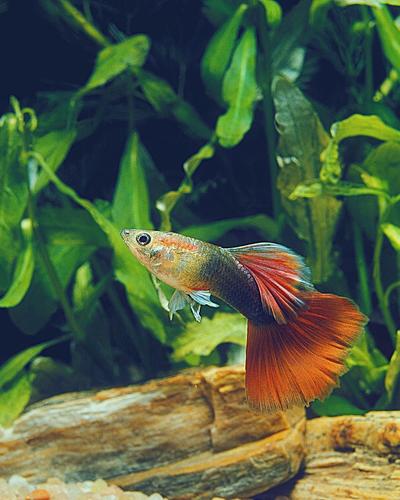
Guppies are some of the easiest fish to keep and are known for their diverse and colorful varieties. Among the numerous species, the fancy guppies stand out due to their extraordinary colors and tail fins.
Male guppies are typically smaller and more colorful than female guppies, making them eye-catching additions to any aquarium.

These livebearers are easy to care for, which is why they are often recommended for novice aquarists. In addition, guppies thrive in community tanks with compatible tank mates like tetras and mollies, provided that the water quality is maintained.
Moreover, poecilia reticulata guppies are known for their rapid breeding capabilities, often giving birth to fry every month. This prolific nature can lead to a significant increase in population if not managed properly.
Owners should be mindful of the tank size and the number of guppies they keep, as overcrowding can lead to stress and decreased water quality. A well-maintained 5-gallon aquarium can house a small trio of guppies, ideally consisting of one male and two to three females, to ensure a balanced environment.
How Big Does Guppies Get in a Tank?
How big are guppies? In captivity, the size of a guppy can vary based on factors such as tank size, feeding practices, and water quality. Typically, guppies grow to be about 1.5 to 2 inches long.
However, with proper care and the right conditions, some fancy guppies can reach sizes closer to 2.5 inches. It’s vital to provide adequate tank space and a heater to maintain an optimal water temperature, which helps guppies grow faster.
A larger tank, such as a 10-gallon aquarium, offers more room for swimming and breeding, promoting healthier growth.
Moreover, the growth rate of guppies can also be influenced by their diet. Feeding adult guppies a balanced diet consisting of high-quality pellets, live brine shrimp, and fry food can encourage optimal growth.
It’s important to avoid overfeeding, as owners often do, which can lead to health problems and even guppy fish dying from poor water quality. Regular water changes and proper filtration through a sponge filter will help maintain the environment, allowing guppies to reach their full potential size.
How Often Do Guppies Need to Be Fed?
Feeding frequency plays a crucial role in the health and growth of guppies. It is generally recommended to feed guppies two to three times a day, offering only what they can consume in a few minutes.
This feeding regimen not only supports their growth but also helps maintain good water quality, as uneaten food can quickly degrade the tank environment. Owners should be cautious, as guppies can be picky eaters and might refuse food if they are stressed or if the water quality is poor.
In addition to regular feeding, it’s advisable to include a variety of foods in their diet. High-quality pellets specifically designed for guppies, along with occasional treats of live or frozen food, such as brine shrimp, can enhance their color and vitality.
It’s essential to monitor their eating habits and adjust the feeding schedule as necessary, particularly if you notice signs of overfeeding, which can lead to health issues. Maintaining a consistent feeding routine helps ensure that guppies thrive in their aquarium environment.
Is My Guppy Fish Pregnant?
Identifying whether a guppy fish is pregnant can be an exciting yet challenging task for aquarium owners. Female guppies can be recognized by their larger, rounder bodies, particularly as they prepare to give birth.
The gestation period for guppies typically lasts around 28 days, and during this time, owners may notice a dark spot near the tail of the female, known as the gravid spot. This sign indicates that the female is carrying fry, and it is important to provide a safe environment for the birthing process.
To ensure a successful birth, it is advisable to have a separate breeding tank or a designated area in the main aquarium where the female can give birth without the risk of fry being eaten by tank mates.
Providing ample hiding spots, such as live aquarium plants or decorations, will help protect the newborn fry from potential predators. After giving birth, female guppies may require additional care, including increased feeding to regain strength, making it essential for owners to remain attentive during this period.
Guppy’s Small Size
The small size of guppies is one of the factors that make them such popular fish in the aquarium hobby. Adult guppies typically range from 1.5 to 2 inches in length, which allows them to thrive in smaller tank setups.
This compact size makes them suitable for community Nano fish tanks, where space is limited. When setting up a guppy tank, it is essential to consider the number of fish in relation to the tank size to prevent overcrowding, which can lead to stress and health issues.
Furthermore, guppies’ small size makes them easy to care for, as they do not require excessively large or complex environments. Owners can create a vibrant aquarium filled with live plants and suitable tank mates, enhancing the overall aesthetic.
Additionally, their small size allows for a variety of colorful guppy species to coexist, enabling aquarists to experiment with different combinations of fancy guppies. By maintaining proper water quality and feeding practices, owners can enjoy the beauty and activity of guppies in their tanks for up to two to three years.
FAQs
How big do guppies get in terms of size?
How large do guppies get? Guppies typically reach a size of about 1.5 to 3 inches long, depending on their genetics and environmental conditions.
Why are guppies so popular among fish keepers?
Guppies are the most popular freshwater fish due to their vibrant colors, ease of breeding, and resilience, making them suitable for both beginners and veterans.
What can cause guppy fish to die suddenly?
Guppy fish can die due to poor water quality, stress, disease, or overfeeding, as owners often overfeed them, leading to health issues.
How often should I feed my guppies?
It is recommended to feed guppies three to five times a day, offering only what they can consume within a few minutes to avoid overfeeding.
What type of water quality do guppies need to thrive?
Guppies thrive in clean water with stable parameters, including appropriate pH, temperature, and hardness, making a heater recommended for optimal conditions.
Can guppies live with other fish like neon tetras?
Yes, guppies can coexist with other compatible species such as neon tetras, but it’s essential to monitor for potential challenges like aggression or competition for food.
How can I create a suitable environment for breeding guppies?
To breed guppies, provide a tank with males and females, plenty of hiding spots for fry, and maintain clean water to ensure a healthy breeding environment.
What is the best way to care for guppy fry?
Care for guppy fry by providing them with appropriate fry and small fish food, and ensure they have a safe space to hide from adult fish.
What should I do if my guppies are less colorful than expected?
Less colorful guppies may indicate stress or poor water quality; check your tank’s conditions and consider adding elements like a wonder shell to improve their habitat.
Where can I find guppies for sale?
Guppies can be purchased at local fish stores, pet stores, or from wholesalers, with prices ranging based on color and fin type imaginable.
How big do guppies get in cm?
Guppies (Poecilia reticulata) are small freshwater fish that typically grow to about 4 to 6 cm in length. Males are usually smaller, reaching around 4 cm, while females can grow slightly larger, up to 6 cm.
Conclusion
So, how big can guppies grow? In conclusion, guppies are an excellent choice for aquarium enthusiasts due to their manageable size, vibrant colors, and ease of care. Understanding how big guppies get and the factors influencing their growth is crucial for maintaining a healthy guppy tank. Providing proper feeding schedules, monitoring water quality, and recognizing signs of pregnancy are all vital aspects of keeping guppies successfully. Their small size and ability to thrive in community tanks make them a delightful addition to any aquarium hobbyist’s collection.
By implementing best practices in guppy care, such as regular water changes and choosing appropriate tank mates, aquarists can create a harmonious environment where guppies can flourish. This care guide for guppies emphasizes the importance of understanding their growth patterns and requirements. Ultimately, with the right knowledge and dedication, owners can enjoy the colorful and lively presence of guppies in their aquariums for years to come.
Recent blog posts
- How Long Does Guppy Live: 7 Easy Tips to Prolong Their Life
- Do Guppies Lay Eggs or Give Birth? (A Comprehensive Guide)
- How Many Guppies in a 10 Gallon Tank: (An Exclusive Guide)
- Can Guppies Breed with Mollies? Molly Guppy Hybrid (Solved)
- How Many Eggs Do Guppies Lay? An Essential Guide (Solved)
- How to Breed Guppies: A Comprehensive Guide (for Beginners)
- How Many Guppies in 20 Gallon tank? A Complete Guide
- Do Guppies Like Strong Current: 5 Shocking Reasons Why Yes!
- Male vs Female Guppies: 5 Proven Ways to Spot the Gender!
- Do All Guppies Eat Their Babies: (5 Reasons & Solutions)
- Hybrid Endler Guppy: 5 Mind-Blowing Facts You Need to Know!
- What Can Guppies Eat in the Wild: (A Comprehensive Guide)